


Description
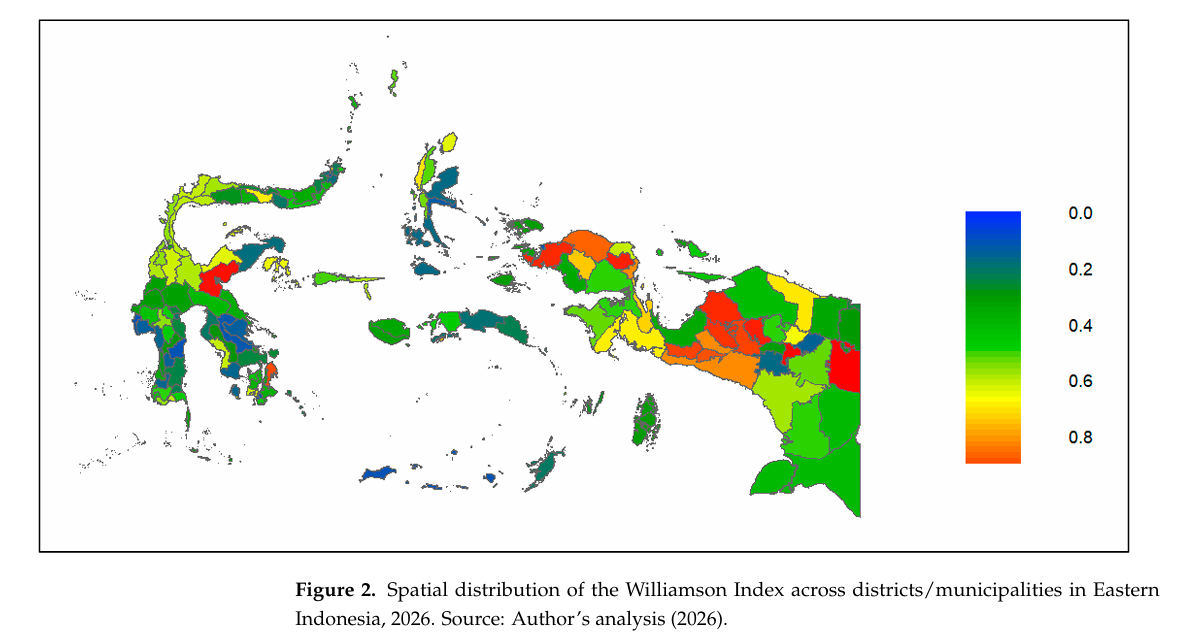
MAKASSAR, Indonesia Mar 27 2026/Resource Economics Research Group/ – Why do some regions grow rapidly while others remain left behind—even when they share similar resources? This question becomes even more complex in countries like Indonesia, where geography is fragmented and development is uneven. A recent study titled “Spatial Spillovers in Regional Economic Inequality: Evidence from Macro Indicators—Remote Sensing in Eastern Indonesia,” published in the journal Economies by the Multidisciplinary Digital Publishing Institute (MDPI) on March 27, 2026, offers a new way of understanding this issue—by literally looking at inequality from space.
Description
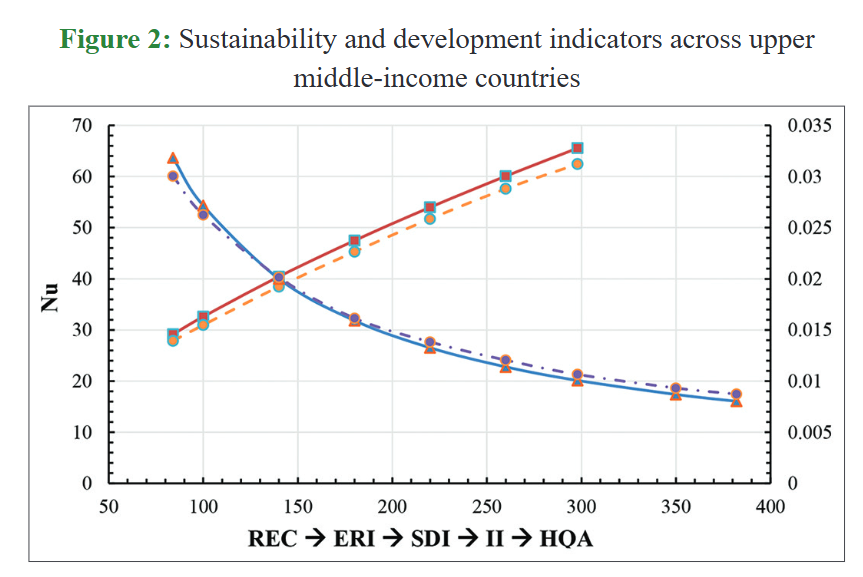
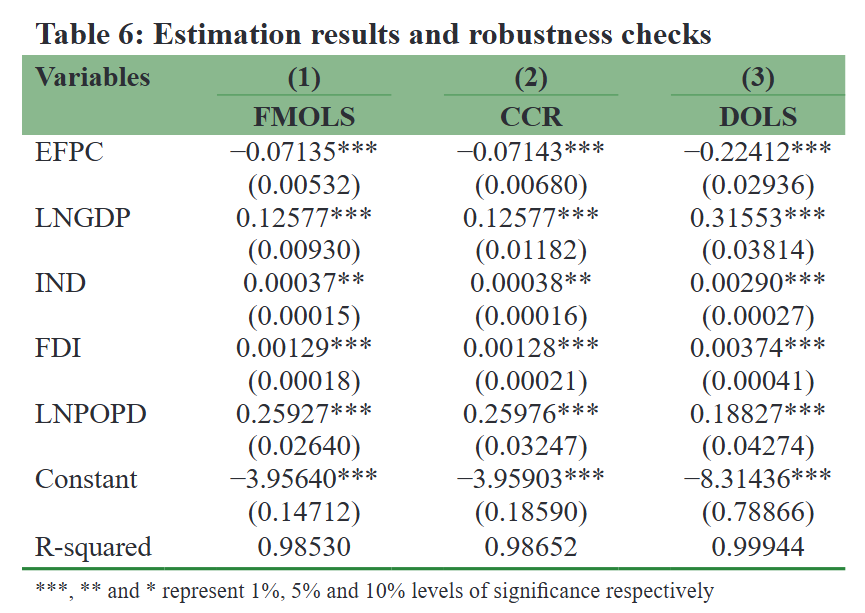
MAKASSAR, Indonesia Dec 26 2025/Resource Economics Research Group/ – Indonesia is a country rich in natural resources—from coal and oil to forests and minerals. But this wealth raises an important question: does having abundant natural resources help or hinder sustainable development? A recent study titled “The Impact of Renewable Energy, Environmental Dependence, and Socioeconomic Factors on Sustainable Regional Economic Development in Indonesia,” published in the International Journal of Energy Economics and Policy by EconJournals on December 26, 2025, provides a compelling answer.
Description
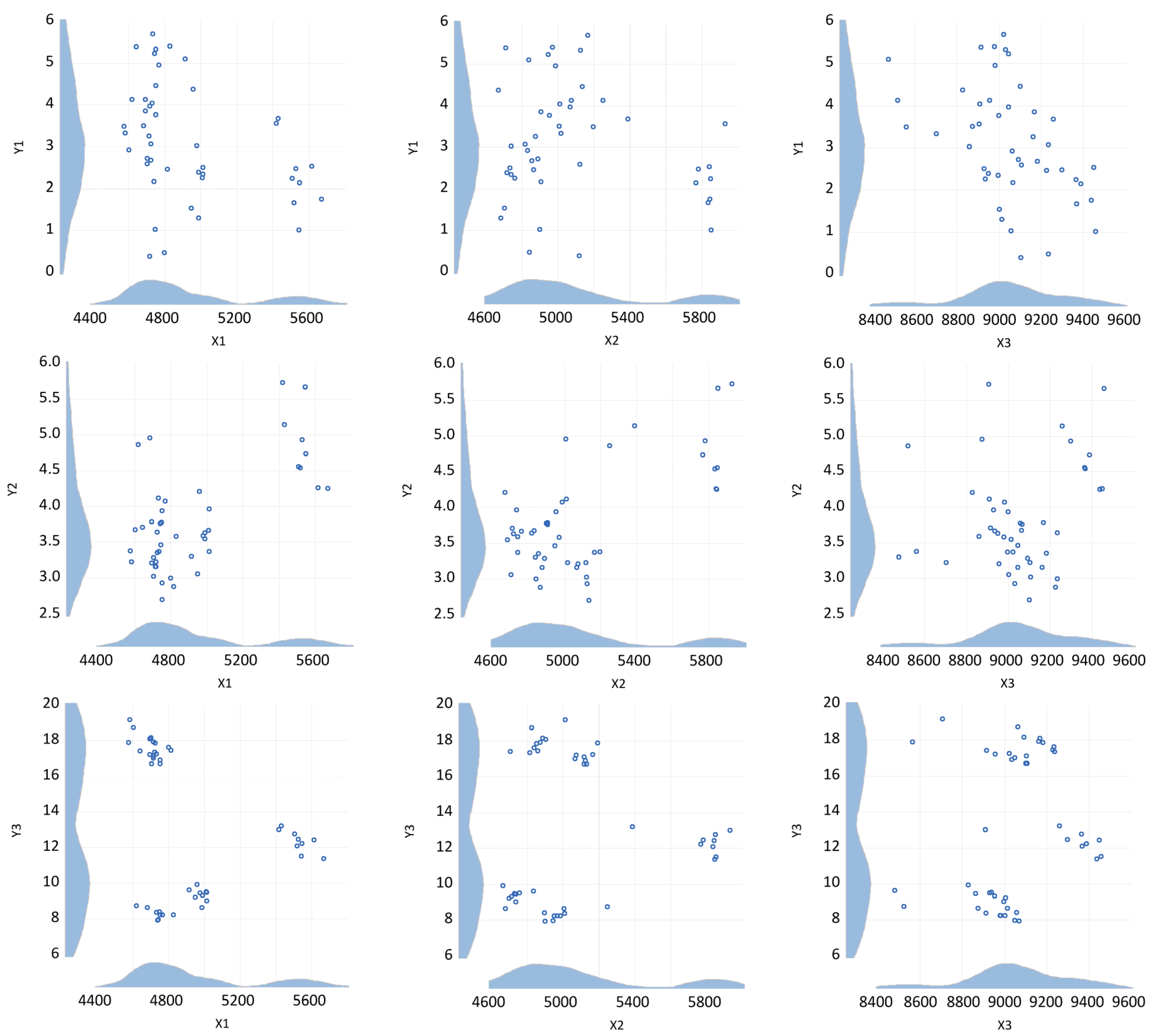
MAKASSAR, Indonesia Sep 16 2025/Resource Economics Research Group/ – Rural Indonesia holds a paradox. It is the backbone of food production and labor supply, yet it continues to struggle with poverty and unemployment. Why does this happen, and what can be done differently? A recent study titled “Econometric Modelling of the Rural Poverty, Unemployment and the Agricultural Sector Using a Truncated Spline Approach with Longitudinal Data,” published in the journal Economies by the Multidisciplinary Digital Publishing Institute (MDPI) on September 16, 2025, offers fresh answers by looking deeper into the complexity of rural development.
Description
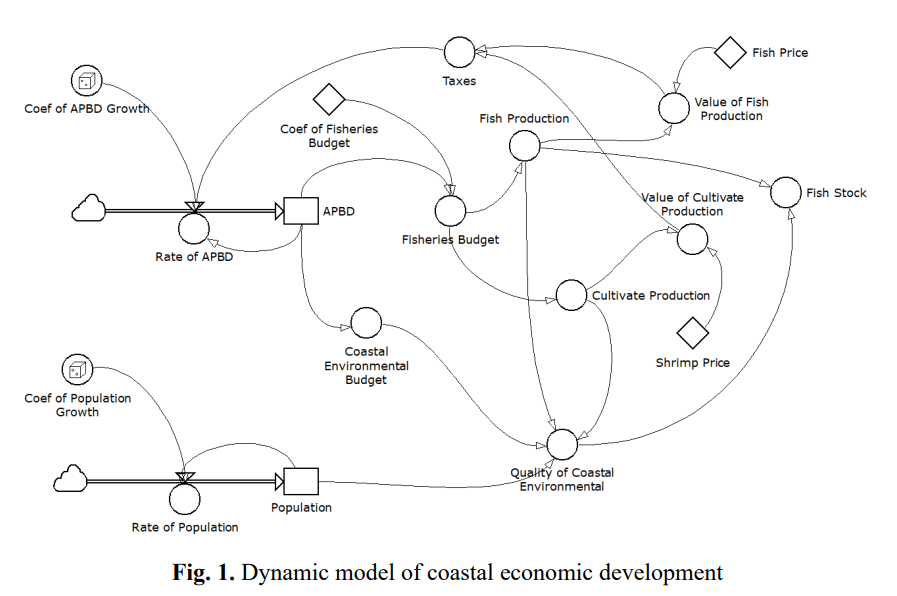
MAKASSAR, Indonesia Dec 7 2025/Resource Economics Research Group/ – South Sulawesi is known for its rich coastal and marine resources, making it one of Indonesia’s most strategic regions for fisheries and ocean-based economic activities. But behind this potential lies a growing challenge: how to balance economic growth with environmental sustainability. A recent study titled “Dynamic Model of Coastal Economic Development Within the Framework of the Blue Economy in South Sulawesi,” published in the Egyptian Journal of Aquatic Biology & Fisheries by the Egyptian Society for the Development of Fisheries and Human Health on December 7, 2025, explores this dilemma in depth.
Description
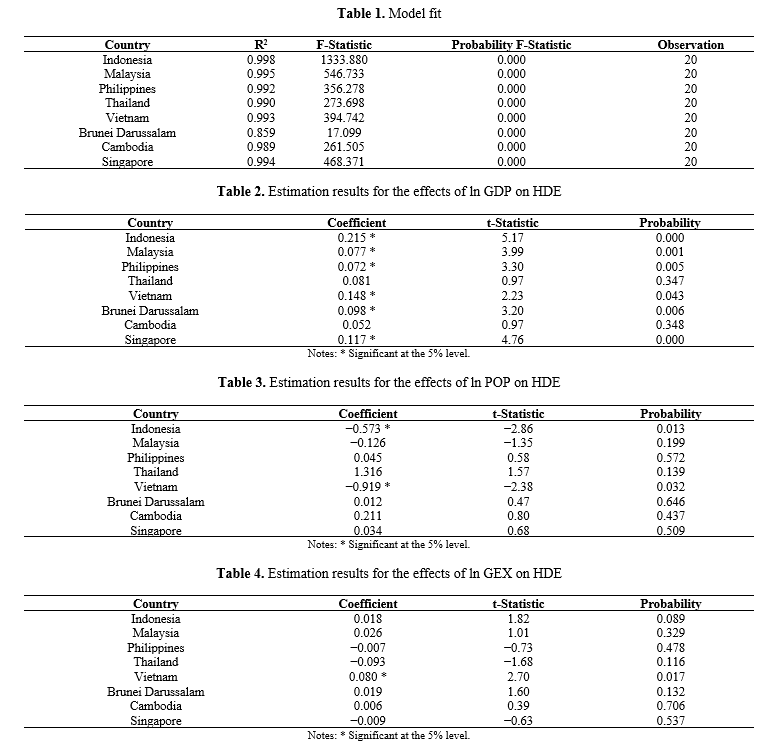
MAKASSAR, Indonesia Jun 25 2025/Resource Economics Research Group/ – In today’s world, measuring progress is no longer just about how fast an economy grows. The real question is: does growth improve people’s lives without harming the planet? This idea is at the center of a recent study titled “Integration Ecological and Economic Factors in Shaping Human Development: Evidence from ASEAN Countries,” published in the International Journal of Energy Economics and Policy by EconJournals on June 25, 2025. The study offers a powerful message—true human development must balance economic progress with environmental sustainability.
Description
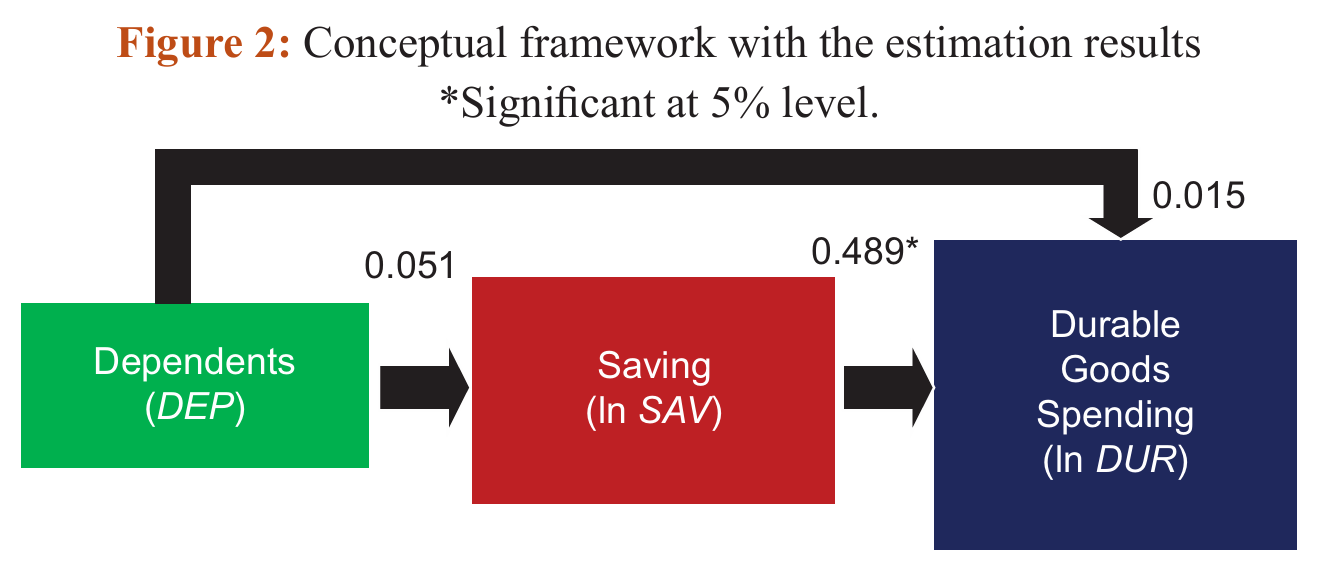
MAKASSAR, Indonesia Apr 30 2025/Resource Economics Research Group/ – Can one policy improve human development across an entire region? At first glance, it might seem possible—after all, ASEAN countries share geographic proximity and growing economic ties. However, a recent study titled “Human Development in ASEAN Countries: A Comparative Semilogarithmic Analysis Between Countries,” published in the International Journal of Sustainable Development and Planning by the International Information and Engineering Technology Association on April 30, 2025, tells a different story. The research reveals that when it comes to improving human development, each country needs its own tailored approach.
Description
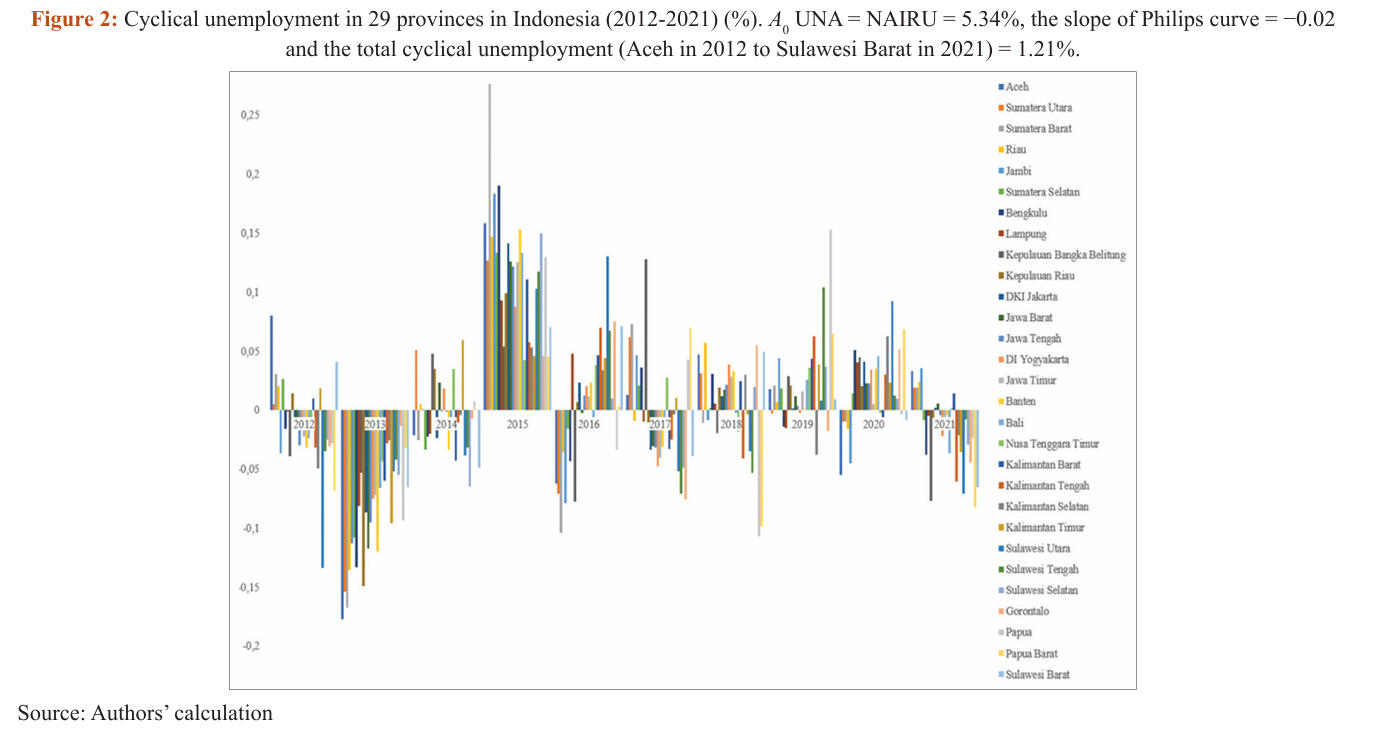
MAKASSAR, Indonesia Oct 30 2024/Resource Economics Research Group/ – When central banks adjust interest rates, most people think about loans, inflation, or economic growth. But what if these decisions also shape something much closer to everyday life—what households choose to buy? A recent study titled “Household Durable Goods Spending in Urban Areas: A New Keynesian Micro Perspective,” published in the International Journal of Economics and Financial Issues by EconJournals on October 30, 2024, sheds light on this important connection between macroeconomic policy and household behavior.
Description
MAKASSAR, Indonesia Sept 6 2024/Resource Economics Research Group/ – What happens when rising temperatures quietly reshape not only the environment but also people’s livelihoods? This question lies at the heart of a recent academic study titled “Climate Change and Cyclical Unemployment in Indonesia,” published in the International Journal of Economics and Financial Issues by EconJournals on September 6, 2024. The study offers an important insight: climate change does not always affect jobs directly—but it can still influence unemployment in powerful, indirect ways.

Description
This research aims to analyze the behavior of a specific social group (students) in using money as a transaction tool. By analyzing this educated group, financial inclusion can be more precisely targeted to avoid the illusion of money after the implementation of financial inclusion.
The results of this study will contribute to research that supports learning, academic studies, and the production of analyses that can be published in accredited journals at Hasanuddin University. By selecting students as respondents, this research indirectly provides financial literacy to students before they enter society. Additionally, the findings of this study will serve as input for policymakers in developing financial innovation and technology to determine their target audience.
Description
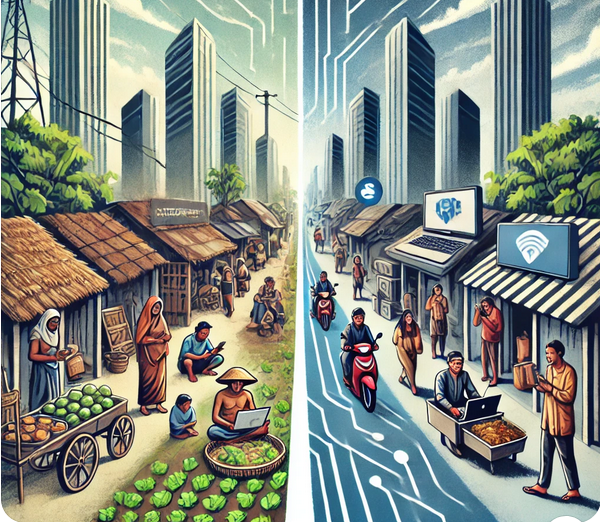
This study evaluates the impact of internet access on poverty alleviation in Makassar City and Jeneponto Regency. Using both quantitative and qualitative approaches, it analyzes how internet access and utilization influence community welfare, economic opportunities, and access to education and financial services. Makassar, as an economic hub with more advanced digital infrastructure, is compared to Jeneponto, which has more limited internet access, providing a contrasting perspective on the role of technology in poverty reduction. The findings of this study are expected to offer policy recommendations that promote equitable internet access to support inclusive economic development in the region.