MAKASSAR, Indonesia Jun 25 2025/Resource Economics Research Group/ – In today’s world, measuring progress is no longer just about how fast an economy grows. The real question is: does growth improve people’s lives without harming the planet? This idea is at the center of a recent study titled “Integration Ecological and Economic Factors in Shaping Human Development: Evidence from ASEAN Countries,” published in the International Journal of Energy Economics and Policy by EconJournals on June 25, 2025. The study offers a powerful message—true human development must balance economic progress with environmental sustainability.
Traditionally, human development is measured using indicators like income, education, and health. While these are important, they often ignore one critical factor: the environment. This research challenges that limitation by examining how both economic and ecological factors shape the Human Development Index (HDI) across seven ASEAN countries over more than two decades.
The findings reveal a striking contrast. On one hand, economic factors such as higher gross domestic product (GDP), industrialization, foreign direct investment, and even population density tend to improve human development. These elements contribute to better infrastructure, job opportunities, and access to services, which enhance people’s quality of life.
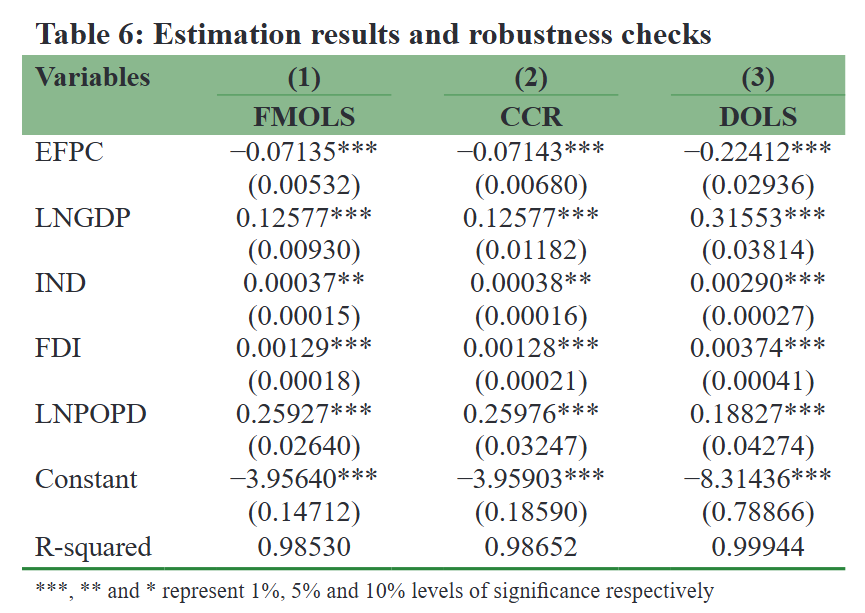
On the other hand, environmental pressure—measured through the ecological footprint—has the opposite effect. As countries consume more natural resources and generate more environmental stress, human development begins to decline. This suggests that growth achieved at the expense of the environment may not be sustainable in the long run.
This insight is particularly important for ASEAN, a region experiencing rapid economic expansion alongside increasing environmental challenges. If left unchecked, environmental degradation could undermine the very progress that economic growth aims to achieve.
These findings are closely linked to several global development priorities, especially SDG 1: No Poverty, SDG 4: Quality Education, and SDG 17: Partnerships for the Goals. The connection to SDG 1 is clear: sustainable economic growth is essential for reducing poverty. However, if environmental damage leads to declining health, reduced productivity, or loss of livelihoods, poverty reduction efforts may be reversed.
Meanwhile, SDG 4 highlights the role of education in shaping a more sustainable future. By increasing awareness of environmental issues and promoting green skills, education can help societies transition toward more sustainable patterns of growth. People who understand the balance between economic and ecological systems are better equipped to make informed decisions.
Equally important is SDG 17, which emphasizes collaboration. Addressing the complex relationship between economic growth and environmental sustainability requires cooperation across countries, sectors, and disciplines. The study itself demonstrates the value of data-driven research in supporting evidence-based policymaking and international dialogue.
Ultimately, the message is simple but urgent: development cannot be measured by economic growth alone. Policymakers must design strategies that integrate environmental protection into economic planning. This includes promoting green investments, improving resource efficiency, and ensuring that industrial growth does not come at the cost of ecological stability.
As ASEAN continues its development journey, the challenge is not just to grow—but to grow wisely. By aligning economic ambition with environmental responsibility, the region can build a future that is not only prosperous but also sustainable for generations to come.
Reference
DOI: https://doi.org/10.32479/ijeep.19797
Contact:
Amanus Khalifah Fil’ardy Yunus
+62 852-4250-2685
orfil@fe.unhas.ac.id