
MAKASSAR, Indonesia Apr 30 2025/Resource Economics Research Group/ – Can one policy improve human development across an entire region? At first glance, it might seem possible—after all, ASEAN countries share geographic proximity and growing economic ties. However, a recent study titled “Human Development in ASEAN Countries: A Comparative Semilogarithmic Analysis Between Countries,” published in the International Journal of Sustainable Development and Planning by the International Information and Engineering Technology Association on April 30, 2025, tells a different story. The research reveals that when it comes to improving human development, each country needs its own tailored approach.
Human development is about more than just income—it includes education, health, and overall quality of life. Governments across ASEAN have introduced various policies to improve these aspects, but the study shows that their effectiveness varies significantly from one country to another. This means that strategies that work well in one nation may not produce the same results elsewhere.
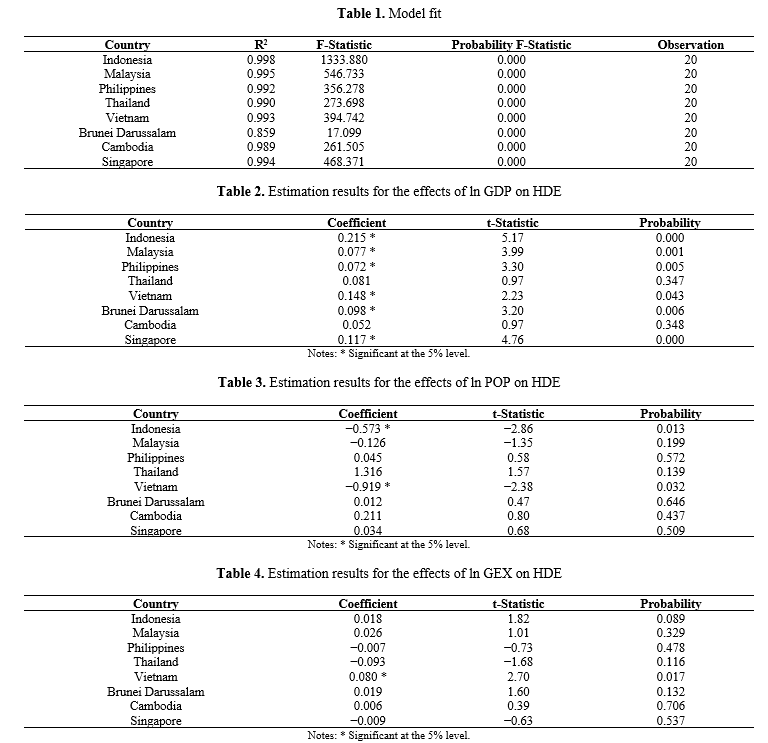
One of the key findings is that economic growth generally contributes positively to human development in most ASEAN countries. When economies expand, governments have more resources to invest in education, healthcare, and infrastructure. This aligns closely with SDG 1: No Poverty, as stronger economic performance can help lift people out of poverty and improve living standards.
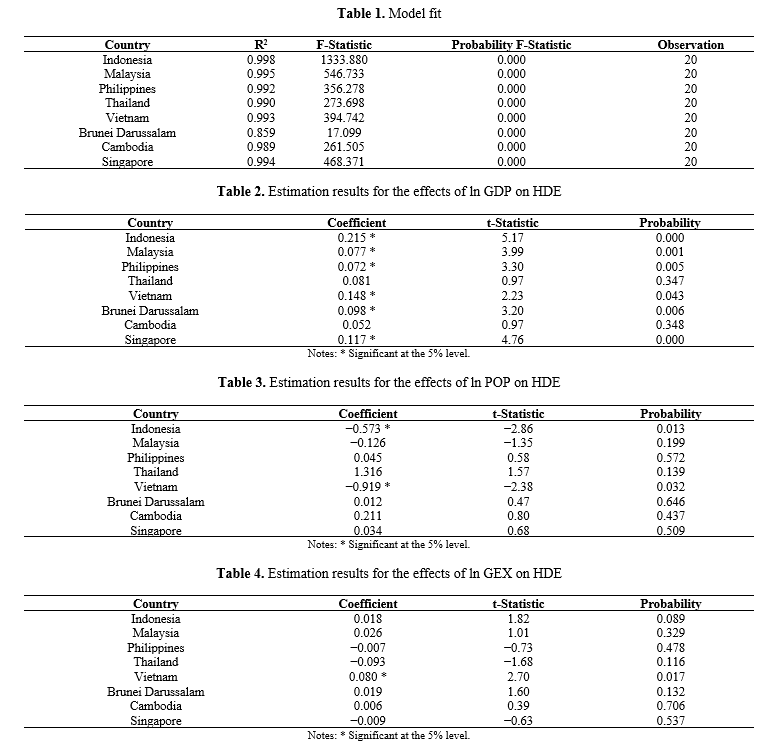
However, the study also highlights an important challenge: population growth. In countries with large populations, rapid population increases can put pressure on public services, making it harder to achieve improvements in education and healthcare. This creates a gap between economic growth and actual human development outcomes.
Interestingly, government spending does not always guarantee better results. The research finds that public expenditure has been particularly effective only in Vietnam, suggesting that how money is spent is just as important as how much is spent. Efficient allocation, good governance, and targeted programs appear to be key factors in turning spending into real improvements in people’s lives.
Another surprising insight is that external factors such as trade openness and foreign direct investment do not consistently enhance human development across ASEAN. While these factors are often seen as drivers of economic progress, their benefits do not automatically translate into better education, health, or living conditions for all citizens. This finding challenges the assumption that globalization alone can solve development issues.
These results strongly connect with SDG 4: Quality Education and SDG 17: Partnerships for the Goals. For SDG 4, the study emphasizes that improving education systems requires policies that are adapted to each country’s demographic and economic conditions. Meanwhile, SDG 17 highlights the importance of collaboration. ASEAN countries can learn from each other’s experiences, sharing best practices while still respecting national differences.
Ultimately, the study delivers a clear message: there is no universal formula for human development. Policymakers must consider local contexts, institutional capacity, and socio-economic conditions when designing strategies. A policy that succeeds in one country may fail in another if these differences are ignored.
As ASEAN continues to grow and integrate, understanding these nuances becomes increasingly important. By embracing tailored policies and strengthening regional cooperation, countries can move closer to achieving sustainable and inclusive development—ensuring that progress is not only shared, but also meaningful for every society.
Reference
DOI: https://doi.org/10.18280/ijsdp.200438
Contact:
Amanus Khalifah Fil’ardy Yunus
+62 852-4250-2685
orfil@fe.unhas.ac.id