


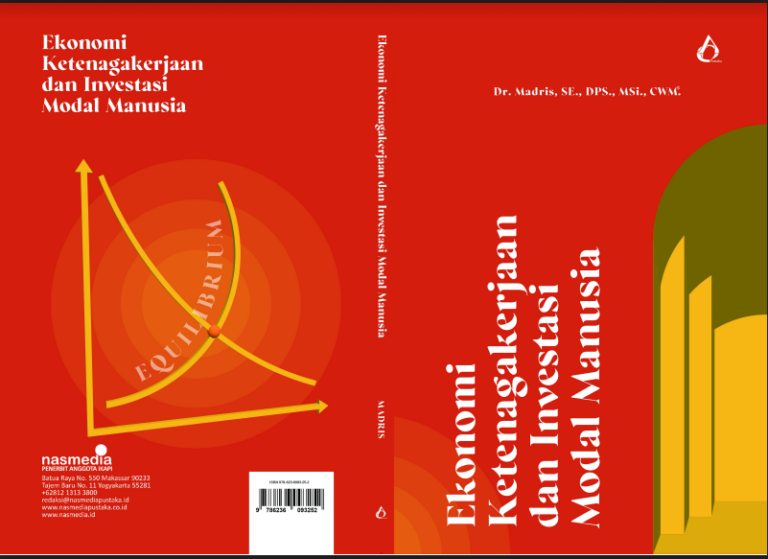
Labor Economics and Human Capital Investment
Description
Labor Economics and Human Capital Investment by Madris examines key aspects of labor economics, workforce dynamics, and human capital development. Designed for students and researchers, it covers labor supply and demand, wage determination, labor market structures, and government policies. The book explores population growth, employment trends, and wage theories, analyzing competitive and imperfect labor markets. A major focus is on human capital investment—education, skills, and health—as drivers of productivity and economic growth, with references to the Human Development Index (HDI). Blending theory with empirical insights, this book is a valuable resource for understanding labor market dynamics and the importance of investing in human capital.
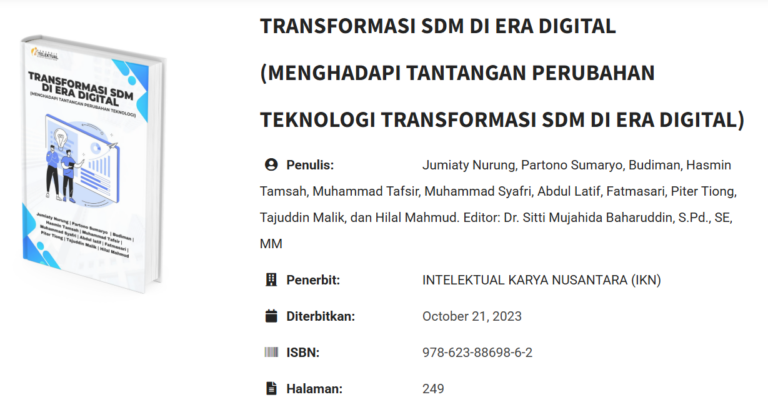
Human Resource Transformation in the Digital Era: Facing the Challenges of Technological Change
Description
In the rapidly evolving digital era, human resource transformation is essential for organizations to stay competitive and innovative. Advances in technology, automation, and artificial intelligence are reshaping workforce dynamics, requiring employees to develop new skills and adapt to continuous changes. This transformation not only impacts recruitment, training, and performance management but also influences corporate culture and leadership strategies. Organizations must embrace digital tools, foster a culture of lifelong learning, and implement agile HR practices to successfully navigate the challenges of technological change. This study explores the key aspects of HR transformation and provides insights into how businesses can effectively manage workforce adaptation in the digital age.
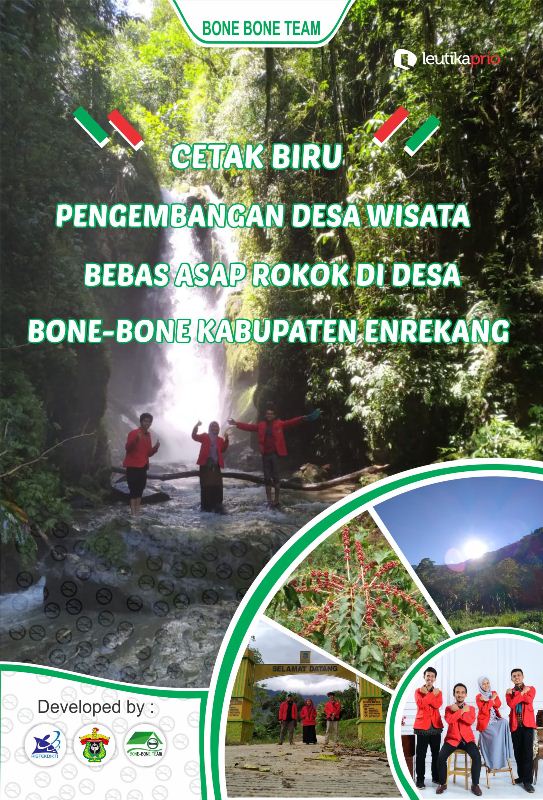
Development of a Smoke-Free Tourism Village in Bone-Bone Village, Enrekang Regency
Description
Bone-Bone Village in Enrekang Regency, Indonesia, is the country’s first smoke-free village, offering a unique opportunity for sustainable tourism. Its commitment to a clean environment supports public health and enhances its appeal as an ecotourism destination. The village aims to attract visitors through agro-tourism, cultural experiences, and scenic trekking while promoting local handicrafts and organic products. Collaboration between the government, tourism stakeholders, and the community is crucial for infrastructure development and sustainable practices. By becoming a model for smoke-free tourism, Bone-Bone can drive local economic growth and set a precedent for health-conscious, eco-friendly tourism in Indonesia.