

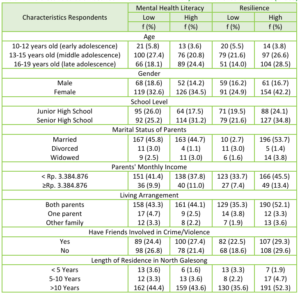
Living in areas with high crime rates leads adolescents to experience mental health issues and potentially become involved in criminal activities. Mental health literacy (MHL) involves knowledge about identifying, managing, and seeking help for maintaining mental well being. Resilience is the ability to adapt and withstand pressures, influenced partly by the environment. This study examines the relationship between mental health literacy and resilience among adolescents (10-19 years old) residing in crime-prone areas in Indonesia.
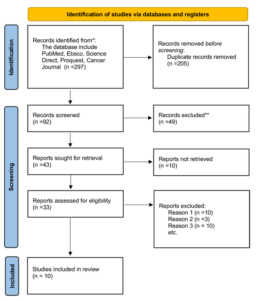
Breast cancer is the most common malignancy affecting women. The disease and its treatment can significantly impact patients’ health related quality of life, requiring further supportive interventions. Breast cancer management includes both pharmacological and non pharmacological approaches. Among non-pharmacological interventions, guided imagery is a nursing intervention that has been explored for its potential benefits.
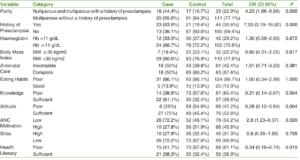
Preeclampsia is one of the leading causes of maternal and fetal morbidity and mortality. It is characterized by hypertension and proteinuria occurring after 20 weeks of gestation. This study aims to analyze the role of health literacy, along with sociodemographic and medical factors, as determinants of preeclampsia risk among pregnant women.
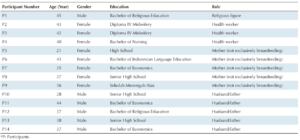
The rate of exclusive breastfeeding remains low due to multiple barriers. This study aimed to explore the perspectives of mothers, fathers, religious leaders, and health workers regarding obstacles to exclusive breastfeeding, with particular attention to the role of husbands and religious principles in breastfeeding practices. This qualitative content analysis was conducted from June to August 2024 using MAXQDA software version 24 following the analytical framework proposed by Graneheim and Lundman. A total of 14 participants were included: three coordinating midwives, one religious leader, five mothers who did not exclusively breastfeed, and five husbands of mothers who did not exclusively breastfeed.
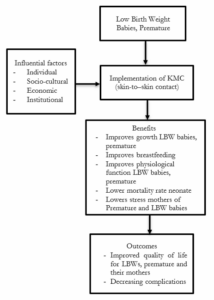
Babies with low birth weight (LBW) are the highest contributor to neonatal mortality rates. Kangaroo care is an effective, cost-effective nursing action recommended by WHO for the care of premature and LBW babies which can reduce neonatal morbidity and mortality. However, the scope of kangaroo care practice is still low. Various databases such as Scopus, PubMed, ProQuest, Google Scholar, and Science Direct have been used as research sources. The time span for the articles accessed ranged from 2014 to 2024. The benefits of kangaroo care can improve the growth of premature and LBW babies, increase breastfeeding, improve the physio logical function of babies, reduce infant mortality rates and reduce stress of mothers of premature and LBW babies.
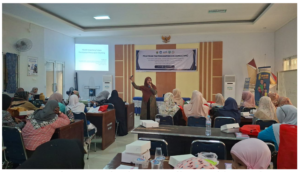
The prevalence of stunting in Pangkajene and Islands Regency in February 2024 showed that, of 23,576 toddlers measured, 2,046 were identified as stunted. To accelerate stunting reduction, the Family Assistance Team was established; however, the team has faced implementation challenges that highlight the need to optimize its role and strengthen its capacity to support families more effectively. This program aimed to enhance TPK capacity by providing educational skills through a health coaching approach and by developing practical educational materials to maximize field impact.
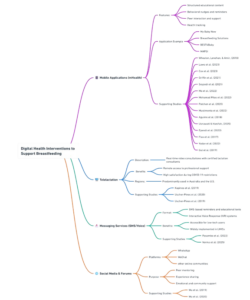
Breastfeeding is fundamental to maternal and infant health, yet rural populations face barriers to support due to limited infrastructure and geographic constraints. Although digital health technologies are increasingly used to promote maternal and child health, evidence on their acceptance and effectiveness in supporting breastfeeding among perinatal women in rural settings remains limited. This scoping review aims to examine digital interventions supporting breastfeeding areas and to identify their outcomes, challenges, and enabling factors.
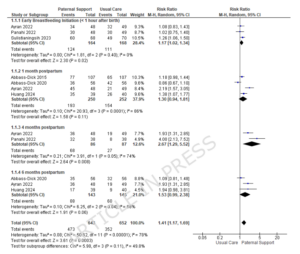
Father support is an important determinant of breastfeeding success; however, evidence regarding its effects on exclusive breastfeeding (EBF) duration and maternal breastfeeding self efficacy remains limited. This systematic review and meta-analysis evaluated the effectiveness of paternal support interventions on these outcomes. Paternal support interventions are associated with improved early initiation and exclusive breastfeeding duration at four months and showed a positive trend toward increased maternal self-efficacy.
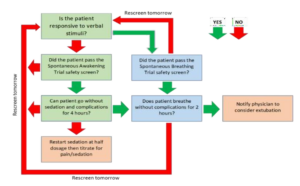
Tetralogy of Fallot (TOF) is a congenital heart defect that causes chronic low oxygen levels, increased right ventricular workload, and a higher risk of complications. Weaning mechanical ventilation in patients with TOF is particularly challenging due to right ventricular dysfunction, muscle weakness, and the risk of heart failure. This study evaluates the use of a spontaneous breathing trial (SBT) strategy with pressure support ventilation (PSV) mode for mechanical ventilation weaning in pediatric patients with TOF.
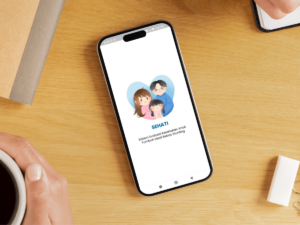
Currently, 30 million children are experiencing acute malnutrition, and 8 million children are severely underweight. This study aimed to develop a stunting super app, a one-stop app designed to prevent and manage stunting in Indonesia. This Delphi study consisted of three stages. Stage 1 used a 3-round Delphi study involving 12 experts. In stage 2, 4 experts and a parent of children with stunted growth created an Android app containing stunting educational materials. In stage 3, a pilot study involving a control group was conducted to evaluate parents’ knowledge about stunting prevention through the app and standard interventions.