MAKASSAR, Indonesia, April 28, 2026/PEDNRG/– Adolescents living in crime-prone areas face unique psychological pressures that often go unnoticed. What makes this study interesting is its focus on mental health literacy as a protective factor, not just a risk indicator. By connecting knowledge with resilience, this research offers a fresh perspective on how young people can survive—and even thrive—under challenging social conditions.
A study titled “The Relationship between Mental Health Literacy and Adolescent Resilience in Crime Prone Areas in Indonesia”, published on January 2025 in Journal of Health Literacy, explores how knowledge about mental health influences the ability of adolescents to cope with adversity. Conducted among youth in high-risk environments, this research highlights the importance of understanding emotions, stress, and coping strategies as essential life skills.
Adolescence is a critical stage of development. During this period, individuals are more vulnerable to external influences, including violence, peer pressure, and social instability—especially in crime-prone areas. These challenges can negatively affect mental health, leading to anxiety, depression, and risky behaviors.

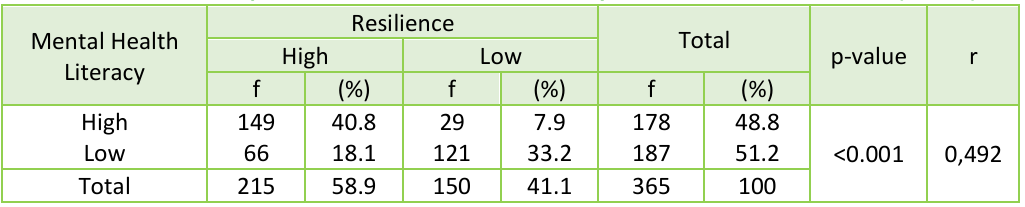
However, the study reveals an important finding: adolescents with higher levels of mental health literacy tend to have stronger resilience. Mental health literacy refers to the ability to recognize mental health problems, seek appropriate help, and apply coping strategies effectively. In simple terms, it is about “knowing how to take care of your mind.”
The findings suggest that when adolescents understand what they are feeling and why, they are better equipped to manage stress and avoid harmful behaviors. They are also more likely to seek support from trusted individuals, such as family members, teachers, or health professionals.
This research strongly aligns with SDGs 4: Quality Education, as it emphasizes the importance of education beyond academic knowledge. Mental health literacy is a form of life education that equips young people with essential skills for emotional well-being. Supports SDGs 3: Good Health and Well-being, as improving mental health literacy directly contributes to better psychological outcomes and reduces the risk of mental disorders. Educated adolescents are more likely to make healthier choices, both mentally and physically.
Another important aspect highlighted in the study is the role of environment. As noted in the results section, adolescents in crime-prone areas face continuous exposure to stressors, but those with strong mental health literacy demonstrate better adaptation and emotional control. SDGs 17: Partnerships for the Goals. Addressing adolescent mental health requires cooperation between schools, families, healthcare providers, and policymakers. No single institution can solve this issue alone.
More forward, mental health literacy is not just an academic concept—it is a survival skill. By educating adolescents about their mental health, we empower them to face challenges with confidence and resilience. This study reminds us that even in difficult environments, knowledge can be a powerful tool for building stronger, healthier generations.
Reference:
DOI: https://literacy.mums.ac.ir/article_25247_ea802331783abd360cd21ac56f314b2e.pdf
Contact:
Prof. Kadek Ayu Erika
+62 813-4212-9855
kadek20_uh@yahoo.com
kadekayu@unhas.ac.id