
MAKASSAR, Indonesia, April 18, 2026/PEDNRG/– Stunting is an effect of malnutrition characterized by suboptimal physical growth caused by malnutrition in the first 1000 days of life, which can affect children’s development and cognitive abilities. Currently, >30 million children in 15 countries are experiencing acute malnutrition. In Indonesia, based on the Indonesian Toddler Nutrition Status Survey, the prevalence of stunting in 2021 was 24.4% (5.33 million children).
What if preventing child malnutrition could be as easy as using a smartphone? In Indonesia, where stunting remains a serious public health issue, digital innovation is opening new possibilities for healthier generations.
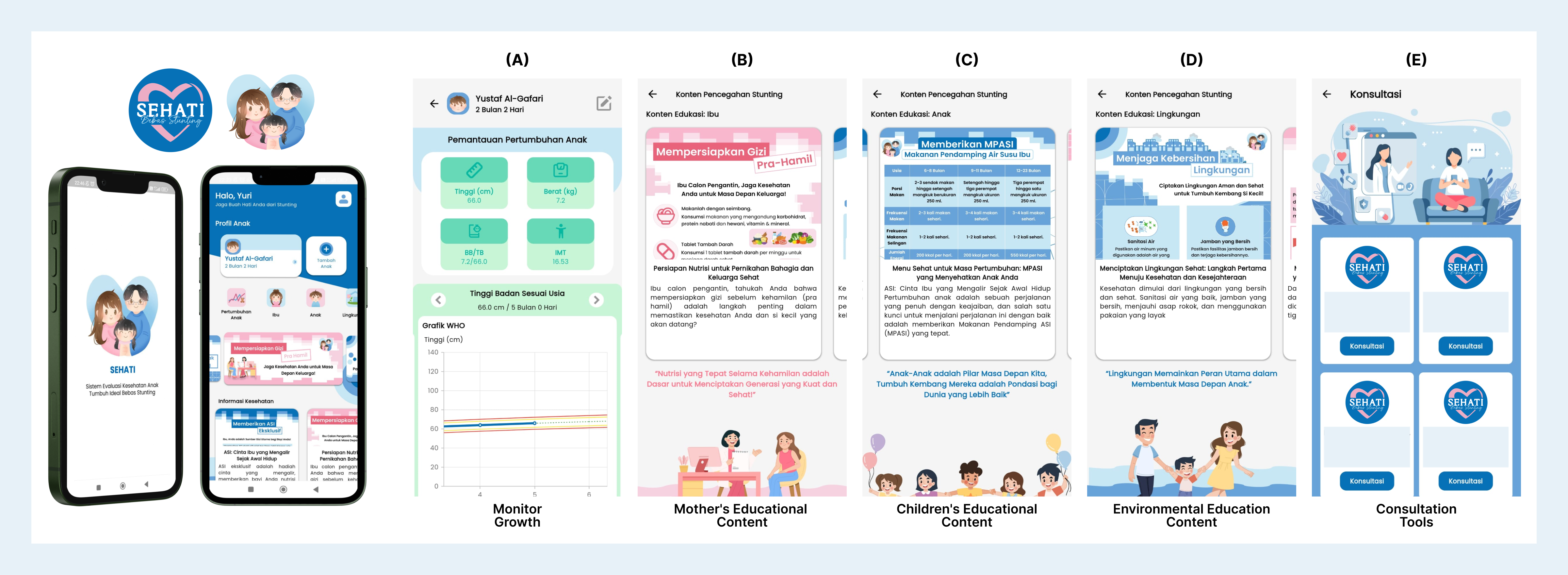
A recent innovation in digital health introduces a mobile-based “super app” that integrates child growth monitoring, education, and consultation to prevent stunting in real time. This technology is highlighted in the study “Stunting Super App as an Effort Toward Stunting Management in Indonesia: Delphi and Pilot Study,” published in JMIR Human Factors on December 17, 2024. The research presents the SEHATI application, a one-stop platform developed through expert consensus that combines maternal health education, child health monitoring, and environmental health information, and has been shown to significantly improve mothers’ knowledge on stunting prevention through pilot testing.
Stunting is not just about height, it reflects chronic malnutrition that can affect a child’s brain development, learning ability, and future productivity. In Indonesia, millions of children are still affected, largely due to limited knowledge about nutrition, childcare, and early prevention strategies.
What makes this innovation promising is its real-world impact. In a pilot study involving mothers of young children, the app significantly improved their knowledge about stunting prevention. After using SEHATI, participants demonstrated better understanding of nutrition, child monitoring, and healthy practices, with statistically significant results.
This innovation aligns strongly with SDGs 3 (Good Health and Well-being), which emphasizes ensuring healthy lives and promoting well-being for all ages. SEHATI contributes directly to reducing malnutrition SDGs 2 (Zero Hunger) and improving child health outcomes. The app also indirectly supports SDGs 4 (Quality Education), as it enhances health literacy among parents especially mothers, who play a central role in child development.
The success of SEHATI also highlights the growing role of digital health in addressing complex public health challenges. With mobile phone usage continuing to rise, especially in developing countries, technology can bridge gaps in access to information and services. It allows education to reach even remote communities, anytime and anywhere.
In the journey toward, the SEHATI app represents more than just a technological tool, it is a step toward empowering families, strengthening health systems, and achieving global development goals. By placing knowledge directly in the hands of parents, Indonesia is taking a meaningful step toward a future where every child has the chance to grow healthy and reach their full potential.
Reference:
DOI: https://humanfactors.jmir.org/2024/1/e54862
Contact:
Prof. Kadek Ayu Erika
+62 813-4212-9855
kadek20_uh@yahoo.com
kadekayu@unhas.ac.id