MAKASSAR, Indonesia, April 28, 2026/PEDNRG/– What if saving a fragile newborn’s life did not require expensive machines, but simply a mother’s touch? This research is compelling because it highlights a low-cost, human-centered intervention—Kangaroo Method Care (KMC)—that can dramatically improve survival and wellbeing of premature babies. It proves that sometimes, the simplest solutions can create the most powerful impact in global health.
Every year, millions of babies are born with low birth weight (LBW), a major contributor to neonatal mortality worldwide. A study “Kangaroo Method Care: Benefits, Proponents and Barriers,” published in Iranian Journal of Public Health on December 12, 2025, explores how a simple practice—placing a baby in skin-to-skin contact with a caregiver—can save lives.
Kangaroo Method Care (KMC) is recommended by the World Health Organization as an effective and affordable method to care for premature and LBW infants. The review, which analyzed studies from 2014 to 2024 across multiple global databases, found that KMC significantly improves infant growth, stabilizes body temperature, enhances breastfeeding, and reduces mortality rates.

Beyond physical health, KMC also strengthens emotional bonds between mother and baby. Skin-to-skin contact increases maternal confidence, promotes successful breastfeeding, and reduces stress levels in both mother and infant. In many cases, it even improves maternal mental health by lowering anxiety and postpartum depression.
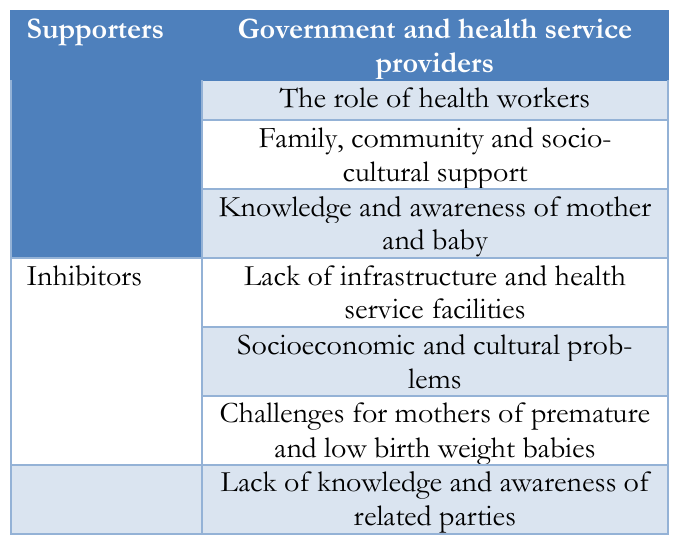
Despite its proven benefits, the implementation of KMC is still limited, especially in low- and middle-income countries. The study identifies several barriers, including lack of healthcare infrastructure, limited awareness, cultural misconceptions, and insufficient support from families and health systems.
On the other hand, strong government policies, trained healthcare workers, and community support systems play a crucial role in increasing the adoption of KMC. Family involvement—especially support from fathers and extended family members—also significantly improves its success.
This study directly relates to SDGs 3: Good Health and Well-being, which aims to reduce neonatal mortality and ensure access to quality healthcare. By promoting KMC, countries can adopt a cost-effective strategy to improve newborn survival, especially in resource-limited settings. SDGs 2: Zero Hunger through improved breastfeeding and nutrition, and SDGs 1: No Poverty by offering a cost-effective, accessible care solution for low-resource communities.
More importantly, KMC represents a shift in how healthcare is delivered. It emphasizes that technology is not always the answer—sometimes, empowering families and strengthening human connection can be just as powerful. This approach is particularly relevant in rural and underserved communities, where access to advanced medical equipment is limited.
In conclusion, Kangaroo Method Care is more than a clinical intervention—it is a life-saving practice rooted in care, connection, and simplicity. By addressing existing barriers and strengthening support systems, KMC has the potential to transform neonatal care globally, ensuring that every newborn, no matter where they are born, has a better chance to survive and thrive.
Reference:
DOI: https://doi.org/10.18502/ijph.v54i11.20379
Contact:
Prof. Kadek Ayu Erika
+62 813-4212-9855
kadek20_uh@yahoo.com
kadekayu@unhas.ac.id