

When the Pandemic Changed How Mothers and Babies Receive Care
MAKASSAR, Indonesia Mar 18 2026/OCNRG/ – When the COVID-19 pandemic began, global attention focused largely on infection rates, hospitals, and emergency responses. Yet beyond the headlines, another challenge quietly emerged in many communities: routine healthcare for mothers and babies was suddenly disrupted. Services that normally operate every month—such as antenatal check-ups, child immunization, and growth monitoring—were affected by lockdowns, movement restrictions, and changes in health service delivery.
For many families, especially in rural areas, these routine services are the backbone of community health. Pregnant women rely on regular antenatal visits to monitor their pregnancy and prevent complications. Infants depend on routine check-ups to ensure healthy growth and timely vaccinations. When these services are interrupted—even briefly—the consequences can extend far beyond the immediate crisis.
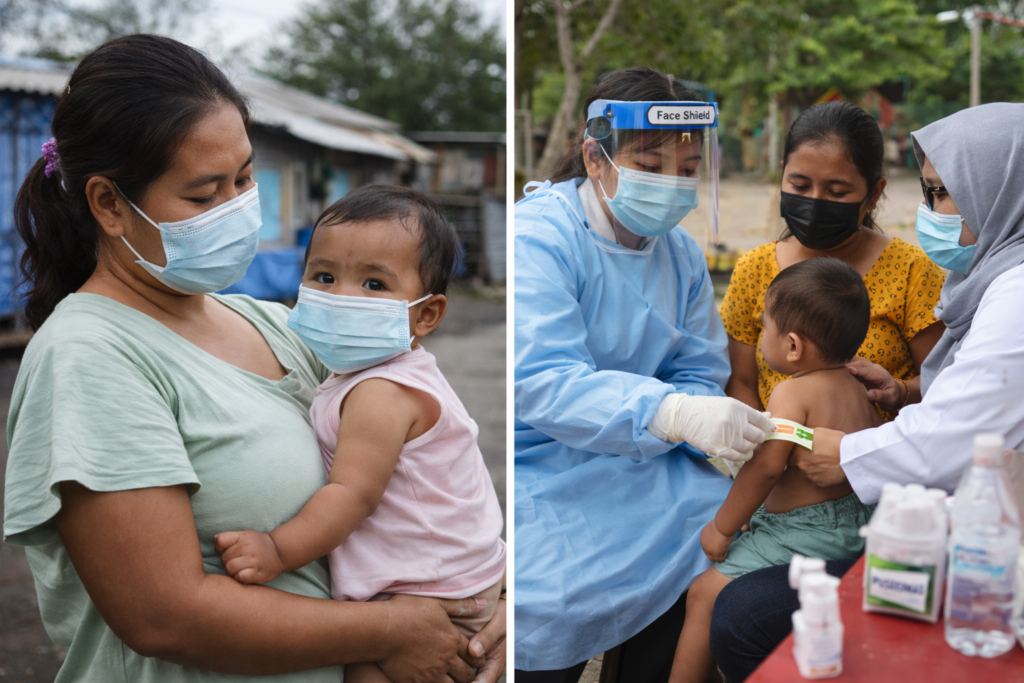
A study titled “Mothers’ and Midwives’ Experiences of Maternal and Child Health Services during the COVID-19 Pandemic in Banggai, Indonesia: A Qualitative Study,” published in 2023 in the International Journal of Community Based Nursing and Midwifery (IJCBNM), explored how these disruptions were experienced at the community level.
The research involved interviews with 21 mothers and 6 midwives in Banggai Regency, Indonesia. By listening to both service users and healthcare providers, the researchers sought to understand how maternal and child health services changed during the pandemic and what challenges families and health workers faced.
One of the most noticeable changes was where health services were delivered. Before the pandemic, many mothers visited nearby community health posts known as Posyandu. These posts provide essential services such as weighing children, monitoring growth, providing nutrition advice, and offering immunizations.
However, when COVID-19 restrictions were introduced, many of these community-based activities were relocated or temporarily stopped to prevent large gatherings. In some cases, mothers had to travel to larger community health centers instead.
For families living far from town, this created new challenges. Some mothers reported that the health center was too far away or required transportation they could not easily access. Others were hesitant to visit healthcare facilities because they feared exposure to the virus.
Health workers faced difficulties as well. Midwives—who are often the frontline providers of maternal and child health services—had to adapt quickly to changing conditions. Some attempted to continue services through home visits, while others used mobile messaging platforms such as WhatsApp to provide counseling and health information to pregnant women.
But these solutions were not always sufficient. During the pandemic, many healthcare workers were also involved in COVID-19 response activities, which increased their workload. At the same time, some health facilities experienced staff shortages and shorter service hours, making it more difficult to maintain routine services.
Families themselves were also affected economically. Some mothers explained that their households lost income during the pandemic, making it harder to afford transportation to health facilities or other healthcare costs. In some cases, families had to prioritize daily needs over routine health visits.
Despite these obstacles, the study highlights the dedication of midwives and other health workers who continued supporting mothers and children throughout the crisis. Their efforts demonstrate how essential community-based health systems are during emergencies.
The experience of the COVID-19 pandemic offers an important lesson: health systems must be prepared not only to respond to new diseases, but also to protect essential services that communities rely on every day. Maintaining maternal and child health services during crises requires strong coordination between communities, healthcare providers, and institutions.
These lessons are closely connected to the global development agenda, particularly Sustainable Development Goal (SDG) 3 (Good Health and Well-being), and SDG 17 (Partnerships for the Goals), which emphasize the importance of resilient health systems and collaboration in ensuring that everyone—especially mothers and children—continues to receive the care they need.
Reference:
DOI: https://doi.org/10.30476/IJCBNM.2023.97114.2187
Contact:
Andi Imam Arundhana Thahir
+62 852-7009-4092
andi.imam@unhas.ac.id