
MAKASSAR, Indonesia, 29 June 2026/neuro-onc – For many people, leaving the hospital is seen as the beginning of recovery. However, for adults living with cancer, the journey often continues at home, where pain remains one of the greatest daily challenges. Managing cancer pain is no longer the sole responsibility of healthcare professionals—it increasingly depends on how well patients are equipped to care for themselves.
A scientific review entitled “Cancer Pain Self-Management Interventions in Adults: Scoping Review,” published in the BMJ Supportive & Palliative Care on 4 April 2024, highlights the growing importance of empowering patients to actively manage cancer pain beyond hospital walls. The review, conducted by researchers from Hasanuddin University, Indonesia, and the University of Malaya, examined evidence from 23 studies published between 2013 and 2023 to identify the most effective approaches for helping adults manage cancer pain independently.
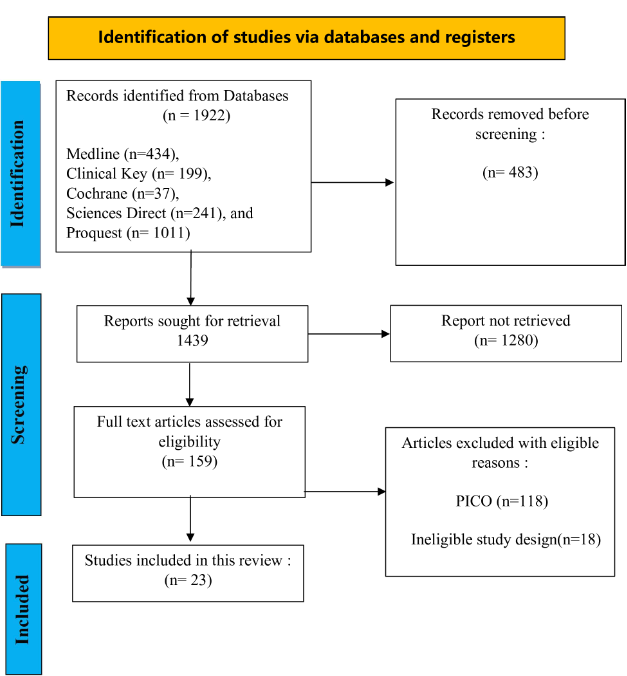
The findings reflect an important reality in modern cancer care. As more treatments are delivered in outpatient settings, patients spend much of their recovery at home. This means they must make daily decisions about pain relief, medication, physical activity, emotional coping, and when to seek professional help. Without adequate knowledge and confidence, pain can become overwhelming, affecting sleep, mobility, mental health, family relationships, and overall quality of life. In severe cases, uncontrolled cancer pain may even increase the risk of depression and suicidal thoughts.
Rather than focusing solely on medication, the review found that education is the foundation of successful cancer pain self-management. Patients who receive structured education learn to recognize pain patterns, understand treatment options, communicate effectively with healthcare providers, and confidently use both medical and non-medical pain relief strategies. Educational support can be delivered through face-to-face consultations, telephone follow-ups, home visits, mobile applications, or online platforms such as Zoom and WhatsApp, making it accessible even after patients leave the hospital.
The review also identified several complementary strategies that strengthen self-management. These include relaxation techniques, meditation, exercise, massage, acupressure, hot and cold therapy, cognitive behavioural therapy, and continuous support from nurses and multidisciplinary healthcare teams. Together, these interventions help patients build confidence, solve problems, and integrate pain management into their everyday lives rather than reacting only when pain becomes severe.
This evidence strongly supports Sustainable Development Goal (SDG) 3: Good Health and Well-being, which aims to ensure healthy lives and promote well-being for people of all ages. Effective cancer care is not limited to advanced medical treatment. It also means giving patients the knowledge, skills, and confidence to participate actively in managing their own health. Empowered patients are more likely to adhere to treatment, experience better symptom control, and maintain a higher quality of life.
The message from this review is both simple and powerful: successful cancer pain management begins with partnership. Healthcare professionals provide expert guidance, but patients become active partners in their own care through education and self-management. As healthcare continues to move beyond hospital walls, empowering patients is no longer an optional addition—it is an essential component of compassionate, patient-centred cancer care. By investing in self-management education today, we create a future where people with cancer are not merely surviving but living with greater comfort, confidence, and dignity.
Reference:
DOI: https://doi.org/10.1016/j.ijnss.2019.03.013
Contact:
Dr. Rosyidah Arafat, S.Kep., Ns.,M.Kep., Sp.KMB
+6282112862492