

MAKASSAR, Indonesia, 28 August 2026/neuro-onc – Surgery is often seen as the beginning of recovery. But for some orthopedic patients, an invisible threat may already be present before they enter the operating room. Methicillin-resistant Staphylococcus aureus, or MRSA, can live on the skin or inside the nose without causing symptoms. A person can carry the bacteria and feel completely healthy—yet potentially contribute to a serious surgical-site infection.
This issue was examined in a 2024 study titled “Correlation between carriers of Methicillin-resistant Staphylococcus aureus and the incidence of MRSA surgical site infections in orthopedic surgery patients.” The article was published in the European Review for Medical and Pharmacological Sciences in May 2024, Volume 28, Issue 10, pages 3503–3512. The journal is published by Verduci Editore and is indexed in PubMed. The article was authored by M.P. Johan and colleagues, including researchers from Hasanuddin University and Dr. Wahidin Sudirohusodo General Hospital, Indonesia.
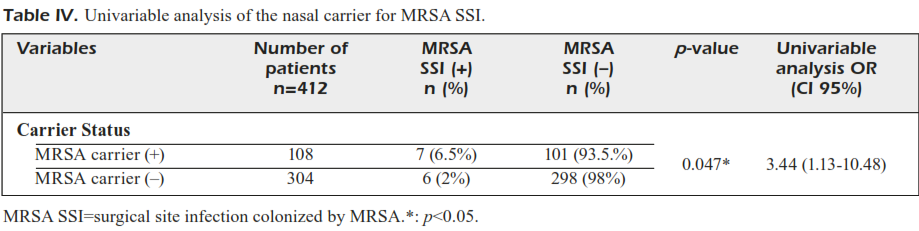
The researchers followed orthopedic patients admitted between April and August 2023. They collected nasal swabs before surgery and monitored patients afterward for possible MRSA surgical-site infections. Among 526 patients screened, 140—or 26.6%—were found to carry MRSA in their noses. Of the 412 patients who could be followed after surgery, 13 developed MRSA surgical-site infections. The most striking finding was the link between MRSA carriage and infection. Seven of 108 MRSA carriers developed an MRSA surgical-site infection, compared with six of 304 patients who were not carriers. In statistical terms, MRSA carriers had about 3.44 times the odds of developing an MRSA surgical-site infection.
The study also identified factors associated with MRSA carriage. Recent hospitalization, smoking, and previous antibiotic exposure were linked to a higher likelihood of carrying MRSA. Antibiotic exposure was also associated with surgical-site infection, while blood loss greater than 500 mL and contaminated wounds were additional risk factors. What does this mean for patients? It suggests that infection prevention may begin before surgery itself. Identifying people who carry MRSA can help healthcare teams recognize higher-risk patients and consider appropriate prevention strategies. The researchers highlighted decolonization as an important approach, while noting that further multicenter research is needed.
This research supports Sustainable Development Goal (SDG) 3: Good Health and Well-being. Preventing avoidable infections is an essential part of safer healthcare, particularly for patients undergoing major orthopedic procedures. Nurses have an important role through preoperative assessment, infection-prevention education, monitoring, and careful adherence to surgical safety practices. The message is simple: sometimes, the most important step in preventing an infection happens before the first incision. A small nasal swab may reveal a hidden risk—and knowing that risk can give healthcare professionals an opportunity to protect patients more effectively.
Reference:
DOI: 10.26355/eurrev_202405_36284
Contact:
Dr. Rosyidah Arafat, S.Kep., Ns.,M.Kep., Sp.KMB
+6282112862492