

MAKASSAR, Indonesia, 26 August 2026/neuro-onc – Leaving the hospital after a stroke can feel like a major milestone—but for many families, it is also the moment when a new challenge begins. At home, family members may suddenly become responsible for medications, meals, mobility, personal care, emotional support, and follow-up appointments. The question is not only whether the patient is ready to go home, but whether the family is ready to care for them.
A recent scoping review, “Determinants of Family Caregiver Readiness in Poststroke Care Transition: A Scoping Review,” explored what makes families more or less prepared for this transition. The article was published in Family Relations in May 2026 by Nursia Nursia, Rosyidah Arafat, and Nuurhidayat Jafar from Hasanuddin University, Indonesia. Family Relations is the journal in which the study was published, while SCImago is a journal-ranking and research-information platform rather than the publisher.
The researchers searched seven databases—PubMed, Scopus, ProQuest, ScienceDirect, EBSCO, Google Scholar, and Garuda—and reviewed studies published from 2015 to 2025. Eleven studies from Asia, Europe, and the United States were included. The review identified eight broad determinants of caregiver readiness: demographic characteristics; education and knowledge; psychological and emotional conditions; social support; the patient’s clinical condition; environmental accessibility; planning and engagement; and caregiver workload and available resources.
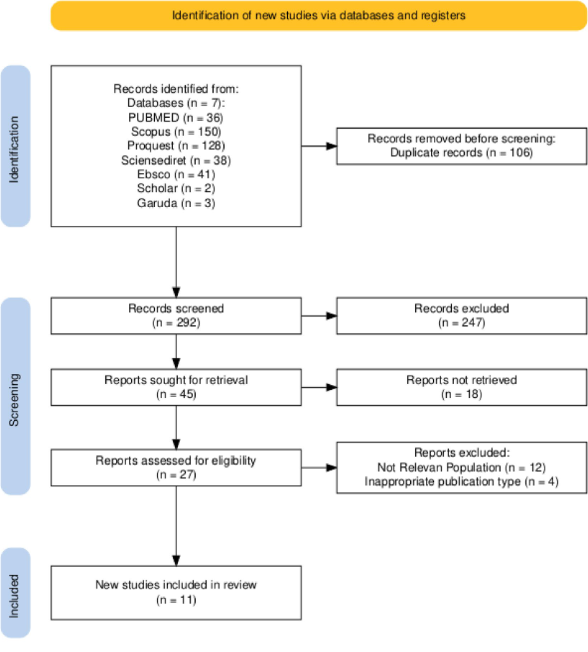
Among these factors, education and knowledge stood out as the most consistently reported. Knowing how to help with daily care, understand the patient’s condition, manage treatment, and recognize problems can make families feel more capable. But information alone is not enough. Stress, anxiety, depression, and fatigue can reduce confidence, while emotional and social support can strengthen readiness.
The patient’s condition also matters. Greater stroke severity, functional dependence, and uncertainty about illness can increase caregiving demands. At the same time, a safe home environment, accessible transportation, rehabilitation services, and community resources can make caregiving more manageable.
Importantly, families should not be passive recipients of instructions. Their involvement in discharge planning and communication with healthcare professionals can help them prepare for real-life situations at home. Structured discharge programs and active caregiver participation can strengthen readiness and support continuity of care.
These findings support Sustainable Development Goal (SDG) 3: Good Health and Well-being. A safe transition from hospital to home is part of quality healthcare because stroke recovery does not stop at discharge. Nurses and other health professionals can help by providing structured education, involving caregivers in planning, offering psychosocial support, and connecting families with community-based services.
The review sends a clear message: preparing a family for stroke care should begin before the patient leaves the hospital. A discharge plan is more than a list of instructions. It should build knowledge, confidence, support, and practical skills. When families are prepared, going home can become more than the end of hospitalization—it can become the beginning of a safer and more confident recovery journey.
Reference:
https://doi.org/10.1111/fare.70278
Contact:
Dr. Rosyidah Arafat, S.Kep., Ns.,M.Kep., Sp.KMB
+6282112862492