Research Project

ChatGPT Image Aug 24, 2026, 09_59_03 AM
When Stroke Recovery Starts with Confidence: How “Look After Yourself” Can Help Patients Take Back Their Lives
2026

MAKASSAR, Indonesia, 24 August 2026/neuro-onc - A stroke can change everyday life in an instant. Simple activities such as getting out of bed, communicating, eating, or moving around may suddenly become difficult. Recovery is not only about physical strength. It is also about confidence—the belief that a person can take part in rehabilitation, manage challenges, and gradually regain independence.

ChatGPT Image Aug 27, 2026, 12_32_20 AM
Going Home After Stroke: Why Family Readiness Matters as Much as Patient Recovery
2026

MAKASSAR, Indonesia, 26 August 2026/neuro-onc – Leaving the hospital after a stroke can feel like a major milestone—but for many families, it is also the moment when a new challenge begins. At home, family members may suddenly become responsible for medications, meals, mobility, personal care, emotional support, and follow-up appointments. The question is not only whether the patient is ready to go home, but whether the family is ready to care for them.


ChatGPT Image Aug 28, 2026, 08_24_19 PM
Going Home After Stroke: Can We Measure How Ready a Family Really Is?
2025

MAKASSAR, Indonesia, 28 August 2026/neuro-onc – A stroke does not end when a patient leaves the hospital. For many families, discharge marks the beginning of a completely new role. A spouse, child, or other relative may suddenly become responsible for medication, meals, mobility, personal care, emotional support, and follow-up appointments. The challenge is simple but important: Is the family truly ready?

ChatGPT Image Jul 1, 2026, 09_05_02 AM
Empowering Patients Beyond the Hospital: Why Cancer Pain Self-Management Matters
2024

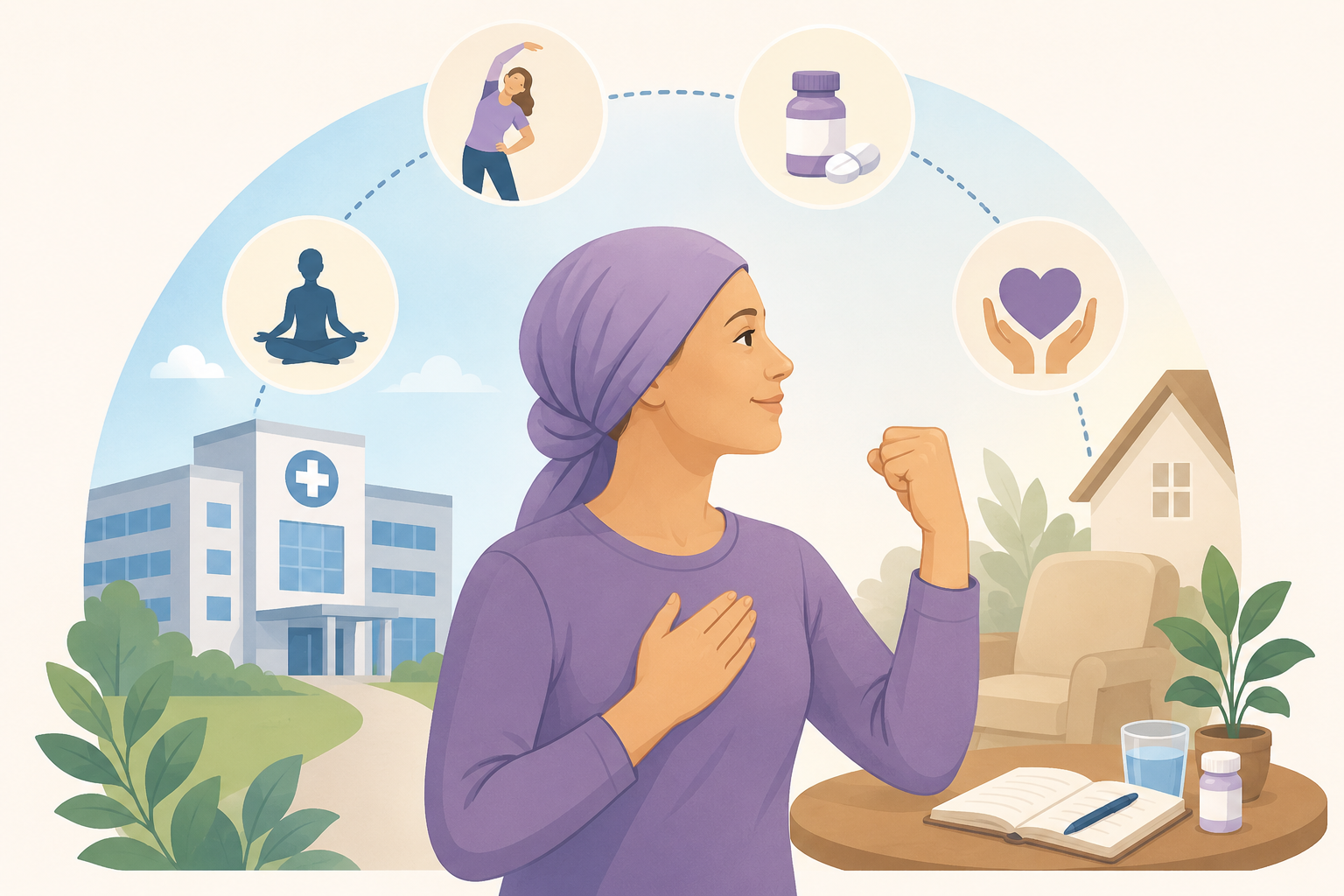
MAKASSAR, Indonesia, 29 June 2026/neuro-onc - A cancer diagnosis changes many aspects of life, but for millions of people, one challenge stands out every single day—pain. While modern medicine has made remarkable progress in cancer treatment, pain remains one of the most common and distressing symptoms experienced by patients. The good news is that managing cancer pain is no longer limited to hospitals. Today, patients themselves can play an active role in controlling pain through self-management, supported by healthcare professionals.

ChatGPT Image Jul 1, 2026, 09_21_47 AM
A Small Protein with a Big Mission: Protecting Brain Health as We Age
2024

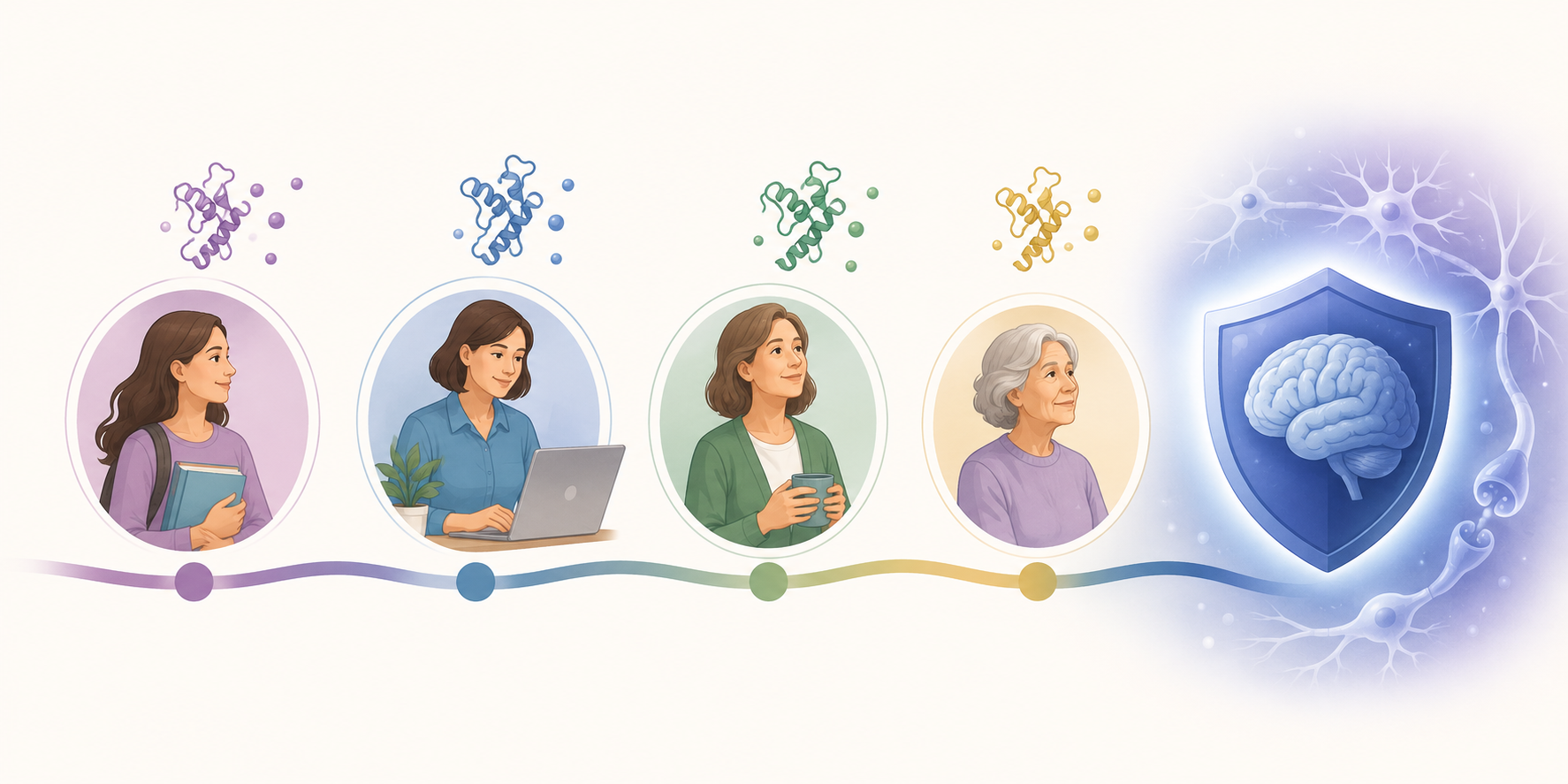
MAKASSAR, Indonesia, 30 June 2026/neuro-onc - Growing older is a natural part of life, but losing our ability to remember, think clearly, and make decisions should not be accepted as an unavoidable consequence of aging. Around the world, millions of older adults experience cognitive decline, reducing their independence and quality of life. Fortunately, science is uncovering biological clues that may help us detect and address these problems earlier. One of the most promising discoveries is Brain-Derived Neurotrophic Factor (BDNF), often called the brain's "growth and repair" protein.

ChatGPT Image Aug 24, 2026, 07_44_20 PM
The First Days After Stroke Matter: Why Early Cognitive Exercise Can Help the Brain Recover
2024

MAKASSAR, Indonesia, 24 August 2026/neuro-onc - A stroke can change a person’s life within minutes. Beyond problems with movement or speech, stroke can also affect memory, attention, thinking, and the ability to perform everyday activities. These cognitive problems may make recovery more difficult and reduce a person’s independence. But what if the brain could be encouraged to recover from the very beginning?

ChatGPT Image Aug 27, 2026, 07_35_11 AM
From Research to Better Care: Why Every Nurse Needs Evidence-Based Practice Skills
2024

MAKASSAR, Indonesia, 26 August 2026/neuro-onc - Imagine a nurse facing an important clinical decision. A patient needs care, but several possible approaches are available. Which one is safest? Which one is supported by the best research? And how can the nurse know whether the chosen intervention is actually effective?

ChatGPT Image Aug 28, 2026, 07_49_31 PM
A Hidden Risk Before Surgery: Why a Simple Nose Swab Could Help Prevent Dangerous Infections
2024

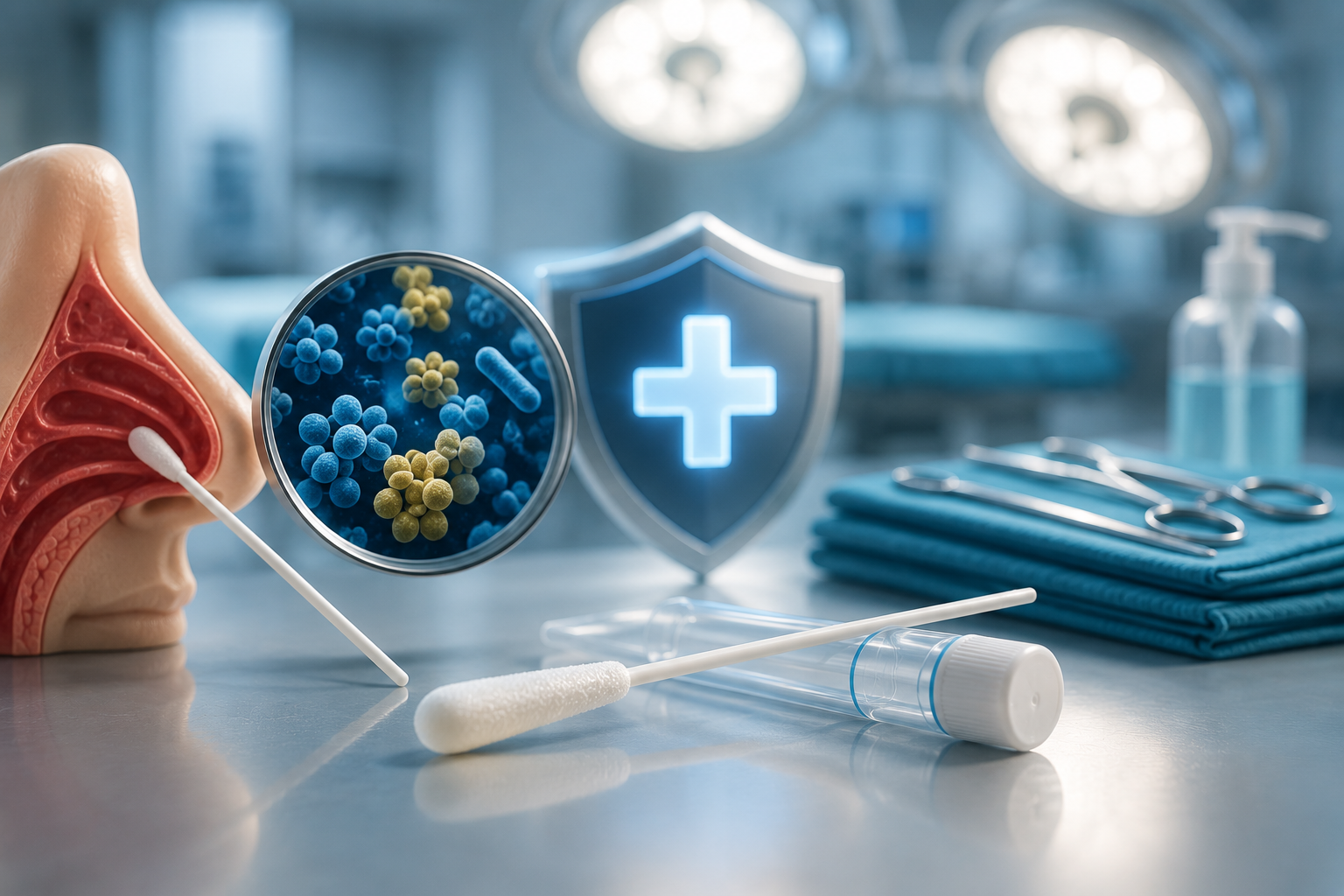
MAKASSAR, Indonesia, 28 August 2026/neuro-onc – Surgery is often seen as the beginning of recovery. But for some orthopedic patients, an invisible threat may already be present before they enter the operating room. Methicillin-resistant Staphylococcus aureus, or MRSA, can live on the skin or inside the nose without causing symptoms. A person can carry the bacteria and feel completely healthy—yet potentially contribute to a serious surgical-site infection.