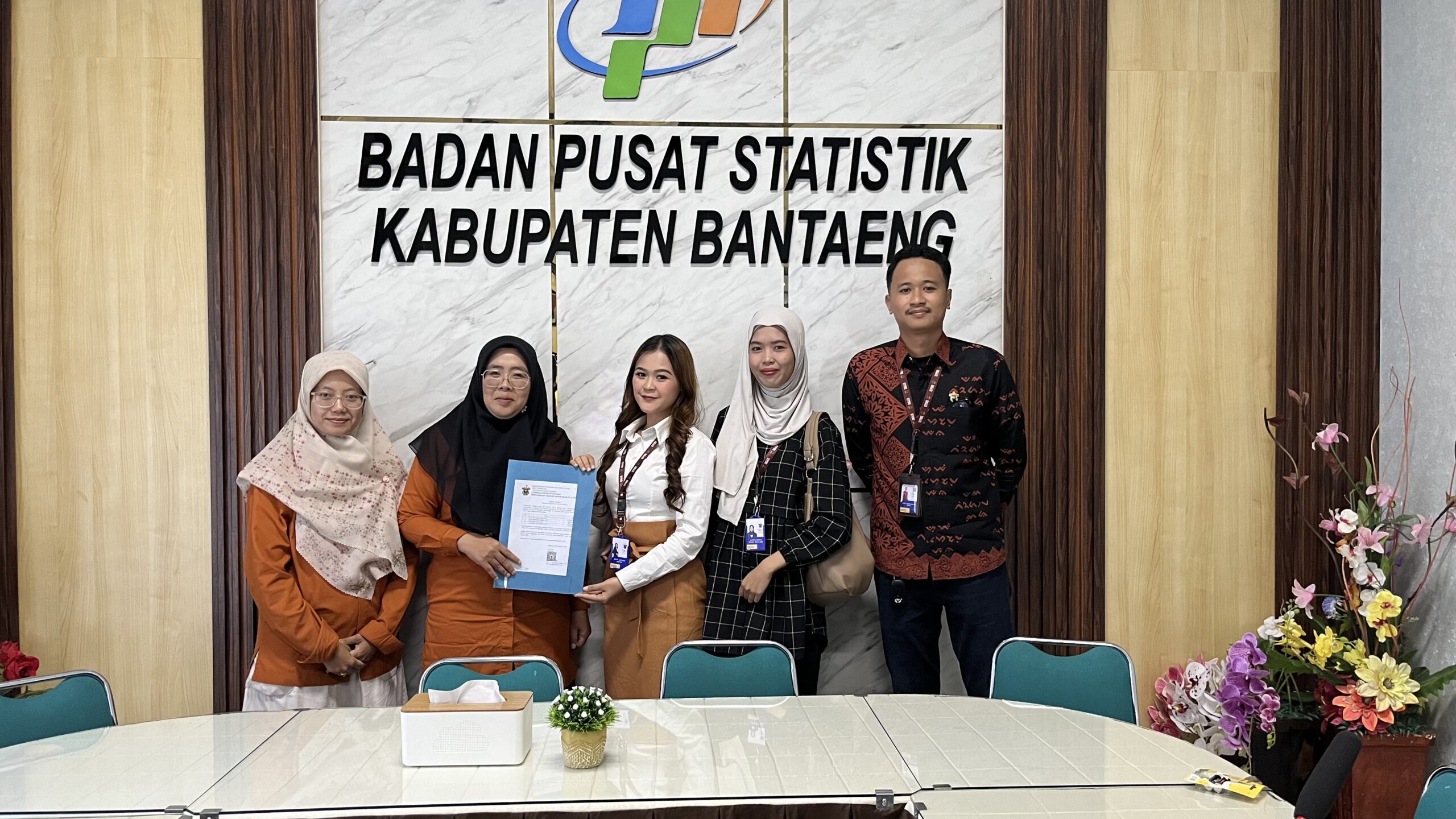
Bantaeng, South Sulawesi, Indonesia — The PAIR Program conducted a visit to the Central Statistics Agency of Bantaeng Regency on November 26, 2025. The activity involved six participants and was carried out through discussions and interviews to obtain relevant information on local government policies, regional socio-economic conditions, and the development and practices of seaweed farming. The visit formed part of an effort to strengthen understanding of coastal development through reliable statistical information and direct engagement with local institutions. The discussion with Central Statistics Agency provided an opportunity to explore the role of official statistics in supporting regional development planning and policy formulation. As an institution responsible for producing and disseminating statistical information, Central Statistics Agency provides data that can describe population characteristics, economic activities, employment, livelihoods, and other dimensions of regional development. Such information is valuable for understanding the broader socio-economic context in which coastal communities and seaweed farmers conduct their activities.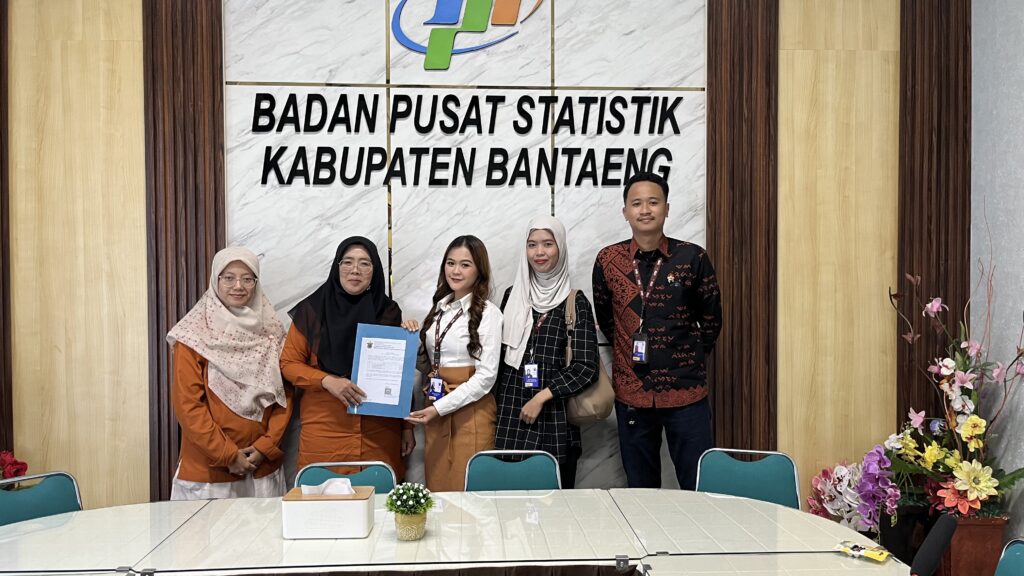 During the visit, participants discussed the availability and relevance of statistical information that could support research on coastal livelihoods and seaweed development. Data obtained from official sources can complement information collected through field observations, interviews, and community engagement. By bringing these different sources together, researchers can develop a more comprehensive understanding of local conditions and identify factors that influence the development and sustainability of seaweed-related activities. The interaction also highlighted the importance of evidence-based approaches in regional development. Statistical data can help identify trends, describe socio-economic conditions, and support the formulation of development priorities. However, data become more meaningful when interpreted alongside local knowledge and field experiences. Combining quantitative information with community perspectives can provide a stronger foundation for research, planning, and policy discussions.
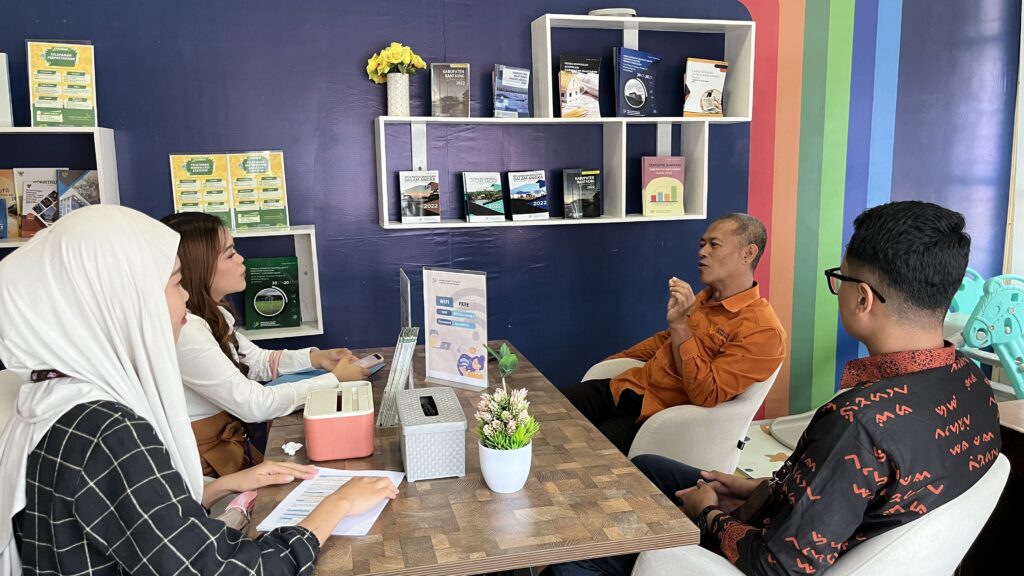 The activity is closely aligned with Sustainable Development Goal (SDG) 1: No Poverty, as socio-economic information can support the identification of livelihood conditions and the development of strategies to strengthen economic opportunities for coastal communities. The visit also contributes to SDG 4: Quality Education through knowledge exchange between researchers and government institutions and through increased understanding of how statistical information can support research and development. In the context of marine and coastal resources, the activity contributes to SDG 14: Life Below Water. Reliable information about coastal communities and marine-based economic activities can support more informed planning for responsible and sustainable utilization of marine resources. Furthermore, the visit reflects SDG 17: Partnerships for the Goals through communication and knowledge exchange between academic researchers and government institutions. Collaboration among statistical agencies, researchers, policymakers, and communities is important for connecting reliable data with practical development needs. Overall, the PAIR Program visit to the Central Statistics Agency of Bantaeng demonstrated the importance of statistical information as a foundation for understanding regional development and coastal livelihoods. The information obtained is expected to support future research, strengthen evidence-based policy dialogue, and contribute to collaborative initiatives toward more inclusive, resilient, and sustainable seaweed and coastal development in Bantaeng and South Sulawesi.