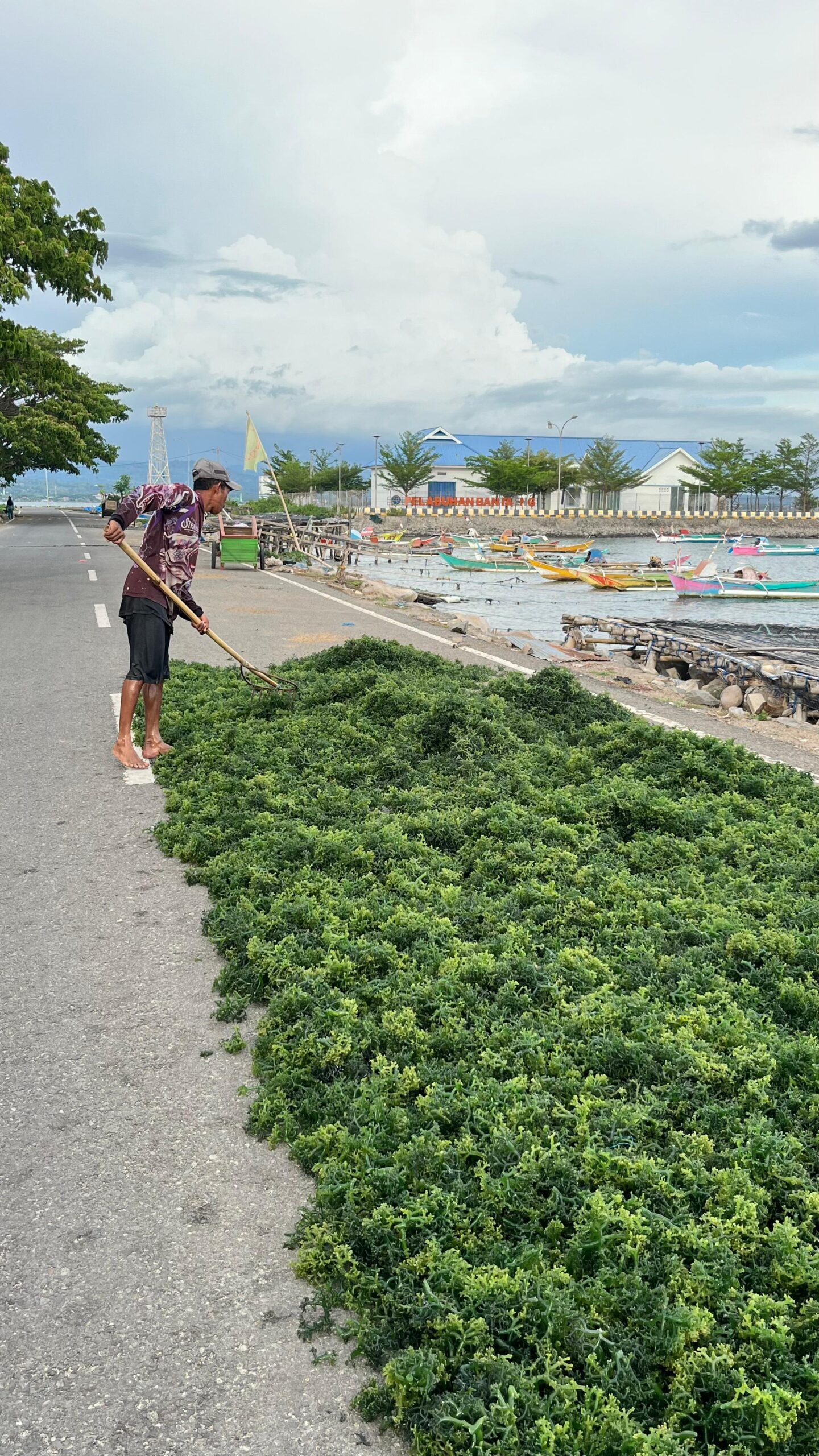
Bantaeng, Indonesia — On November 26, 2025, the PAIR Program conducted a field visit and discussion with seaweed farmers in Bantaeng Regency, South Sulawesi, involving four participants. The activity was designed as a discussion and interview to obtain first-hand information about the conditions, experiences, and practices of seaweed cultivation at the community level. By engaging directly with farmers, the activity sought to strengthen an understanding of how seaweed production contributes to local livelihoods while identifying challenges and opportunities for more sustainable coastal resource management. Seaweed cultivation is an important livelihood activity for many coastal communities because it connects marine resources with household income, food security, and local economic activities. During the visit, discussions explored farmers’ cultivation practices, production conditions, experiences in managing seaweed farming activities, and factors that may influence productivity and sustainability. Information obtained directly from farmers provides an important complement to institutional and statistical data because it reflects the practical realities encountered by communities in their daily activities.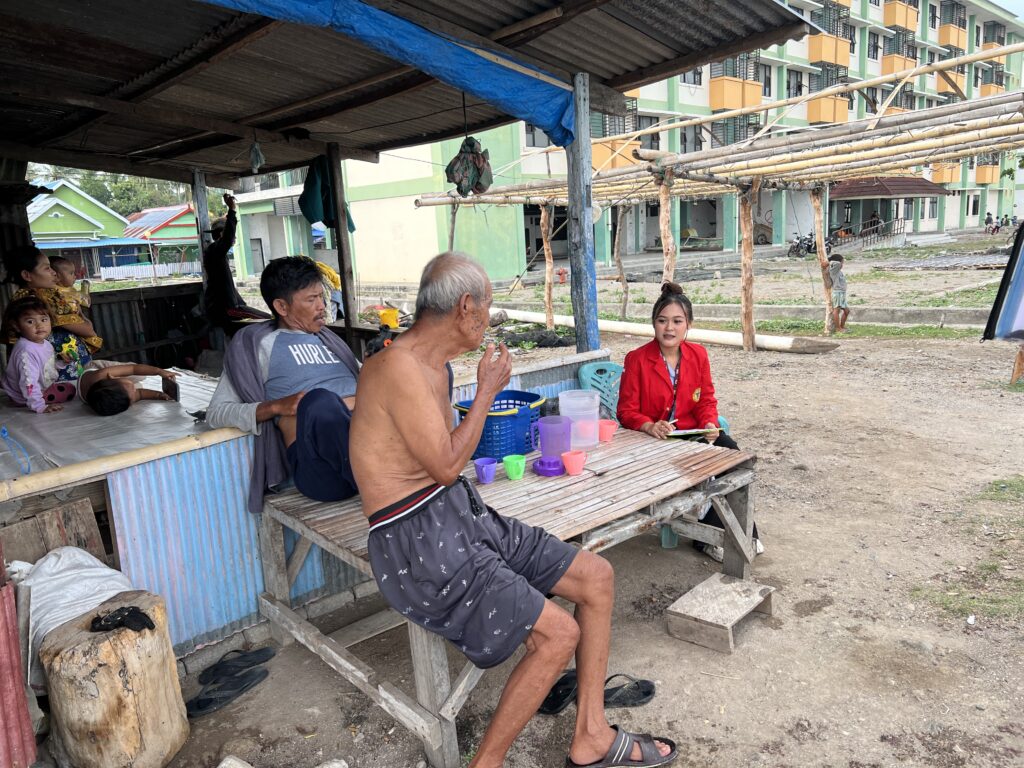 The activity also provided an opportunity to understand the relationship between economic development and the condition of coastal and marine ecosystems. Sustainable seaweed cultivation depends not only on production techniques but also on environmental conditions, water quality, coastal carrying capacity, and responsible utilization of marine resources. Therefore, information from farmers can contribute to a broader understanding of how community livelihoods and marine ecosystem sustainability can be addressed simultaneously. The visit was particularly relevant to Sustainable Development Goal 1 (SDG 1: No Poverty) because sustainable seaweed cultivation can support income generation and strengthen the economic resilience of coastal households. It also contributed to SDG 4 (Quality Education) by facilitating knowledge exchange between researchers and local communities. Through direct dialogue, local knowledge and practical experiences can become valuable learning resources for research, education, and the development of more context-sensitive approaches to coastal resource management. In addition, the activity supported SDG 14 (Life Below Water) by emphasizing the importance of sustainable use and management of marine resources. Understanding farming practices and environmental challenges at the field level is essential for developing approaches that maintain both productive livelihoods and healthy coastal ecosystems. Finally, the engagement contributed to SDG 17 (Partnerships for the Goals) by strengthening communication and collaboration between academic researchers and local resource users.
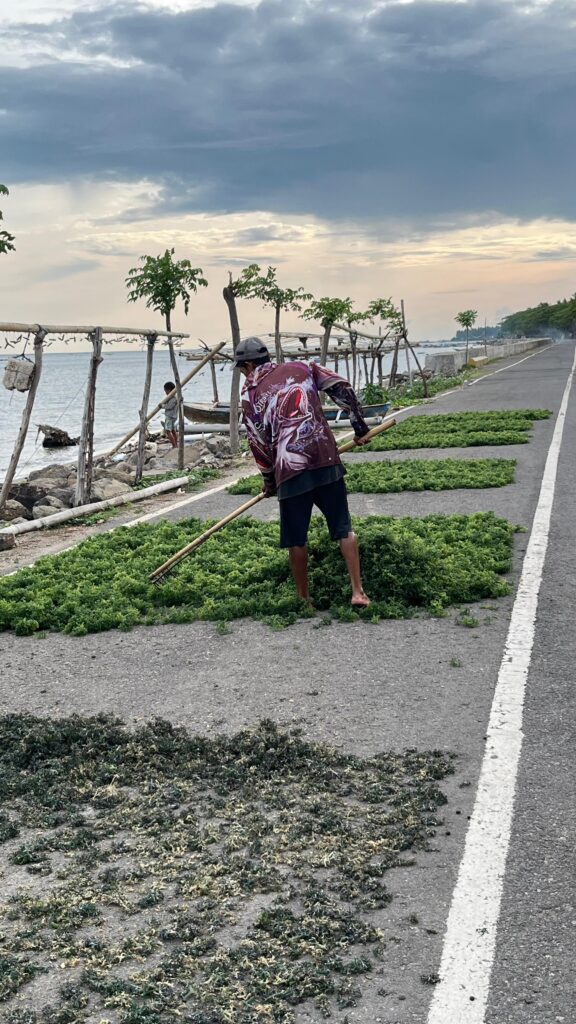 The PAIR Program visit therefore served not merely as a data-gathering activity, but as a platform for dialogue, knowledge exchange, and partnership building. The information gathered from seaweed farmers in Bantaeng is expected to contribute to evidence-based research and a deeper understanding of the social, economic, and environmental dimensions of seaweed development in South Sulawesi. Through continued collaboration, community knowledge can help inform more inclusive and sustainable strategies for coastal development.