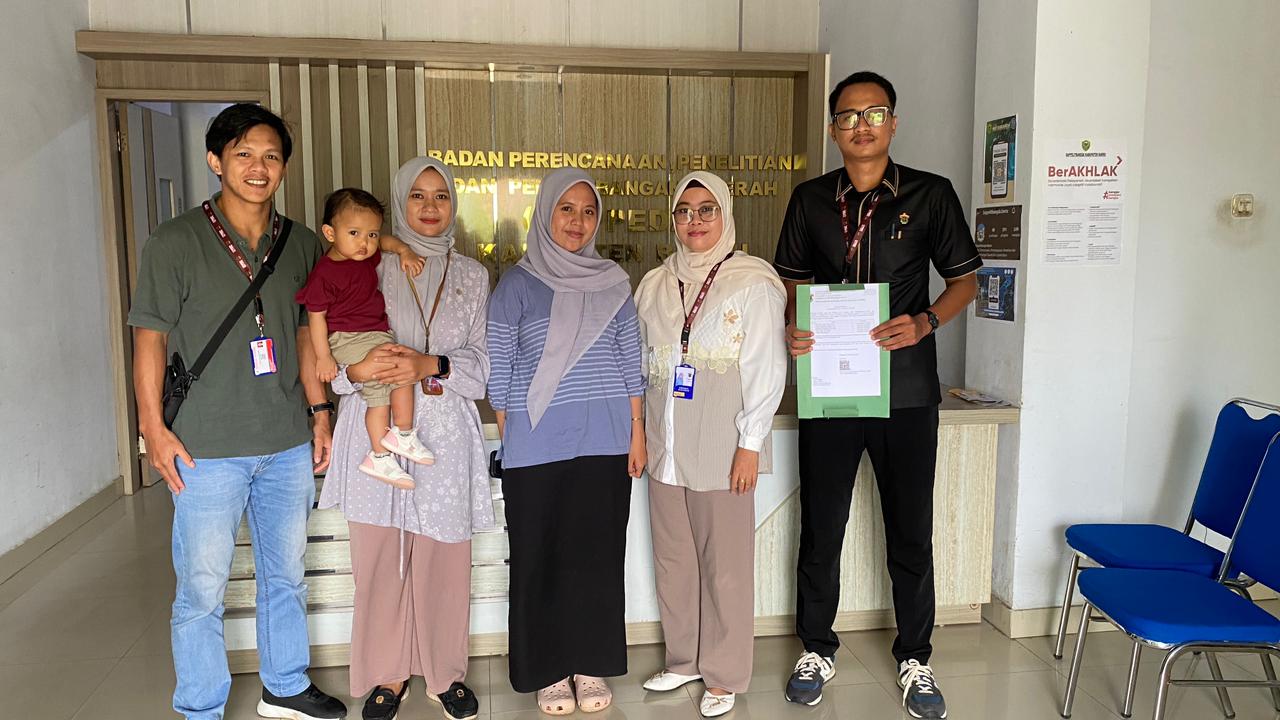
Barru, South Sulawesi, Indonesia — The PAIR Program conducted a field visit to the Regional Planning, Research and Development Agency of Barru Regency on December 24, 2025. The visit involved five participants and aimed to obtain first-hand information through discussions and interviews concerning local government policies, regional development planning, and the current conditions and practices of seaweed farming in Barru Regency. The activity provided an important opportunity to understand how seaweed development is positioned within the broader framework of regional development. Through direct discussions with the local planning institution, participants explored the policies, programs, and institutional roles that support coastal community development and the seaweed sector. The dialogue also provided insights into how local government planning responds to the opportunities and challenges faced by communities whose livelihoods are closely connected to coastal and marine resources.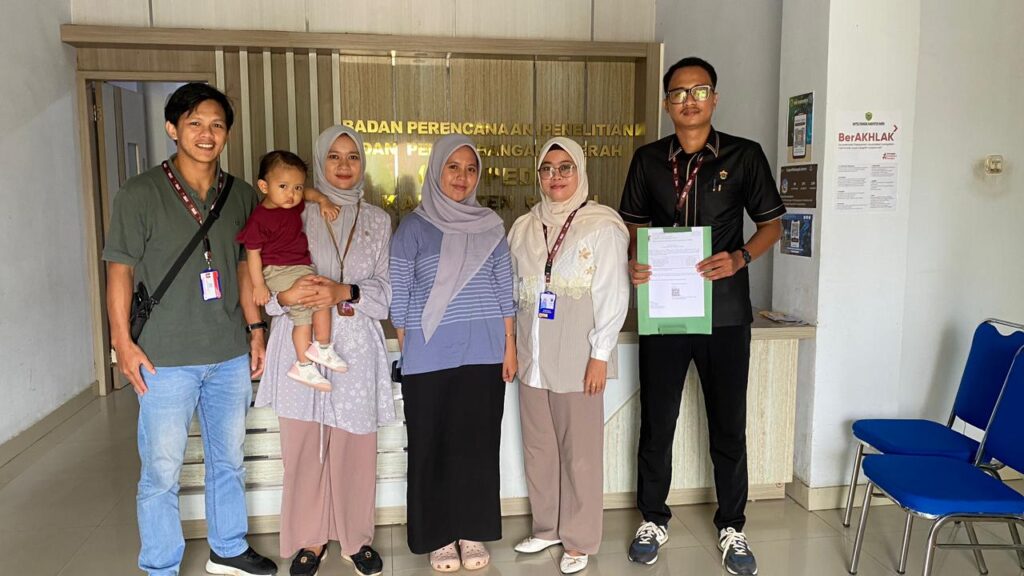 In addition to understanding government policies, the visit sought to capture information regarding the realities of seaweed farming at the community level. Issues related to farming practices, production conditions, community capacity, resource utilization, and factors affecting the sustainability of seaweed cultivation were discussed as part of the broader assessment. Such information is valuable for ensuring that future research and development initiatives are grounded in local realities rather than relying solely on secondary information. The engagement also emphasized the importance of integrating research and field-based knowledge into regional development planning. Information obtained through direct interaction with government institutions and stakeholders can help identify development priorities, existing challenges, and opportunities for strengthening the seaweed sector. This approach can contribute to the formulation of more responsive strategies that address both economic needs and the long-term sustainability of coastal resources. The activity is closely aligned with Sustainable Development Goal (SDG) 1: No Poverty, particularly through efforts to strengthen sustainable livelihood opportunities for coastal communities. It also supports SDG 4: Quality Education by promoting knowledge exchange and learning among academic institutions, government agencies, and local stakeholders. Furthermore, the activity contributes to SDG 14: Life Below Water by encouraging greater attention to the responsible and sustainable utilization of marine and coastal resources. The visit also reflects the principles of SDG 17: Partnerships for the Goals, highlighting the importance of collaboration among researchers, local government, and communities in addressing complex coastal development challenges. Strong partnerships can facilitate the exchange of knowledge, improve policy relevance, and strengthen the connection between research findings and practical development needs. Overall, the PAIR Program visit to the Regional Planning, Research and Development Agency of Barru demonstrated the value of direct stakeholder engagement in understanding the policy and socio-economic context of seaweed development. The information gathered during the visit is expected to provide a useful foundation for future research, policy dialogue, and collaborative initiatives aimed at supporting inclusive, resilient, and sustainable seaweed development in Barru Regency and South Sulawesi.