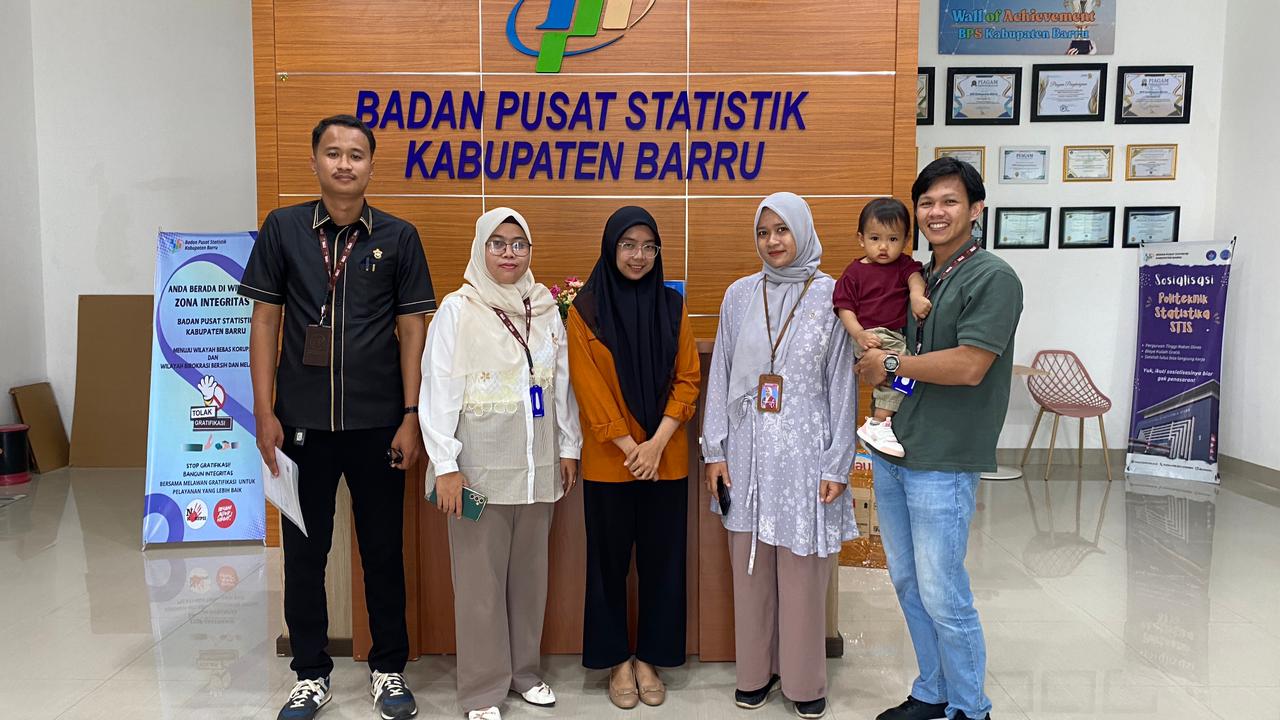
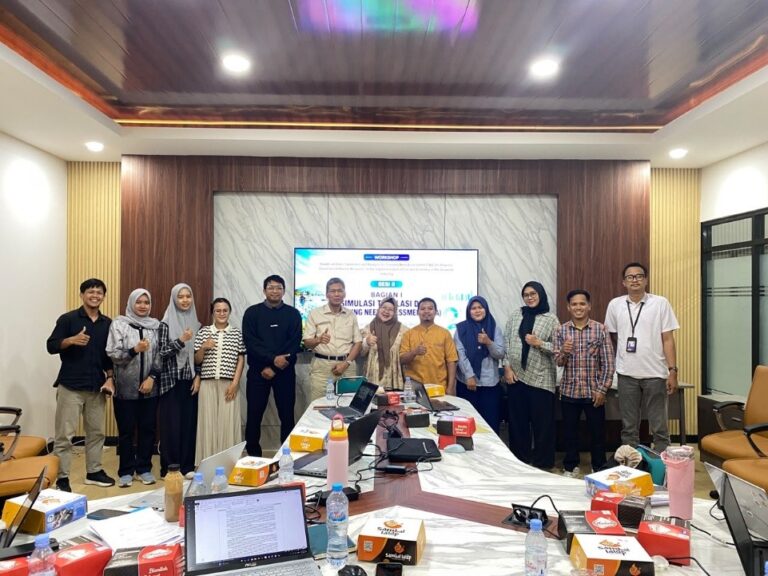
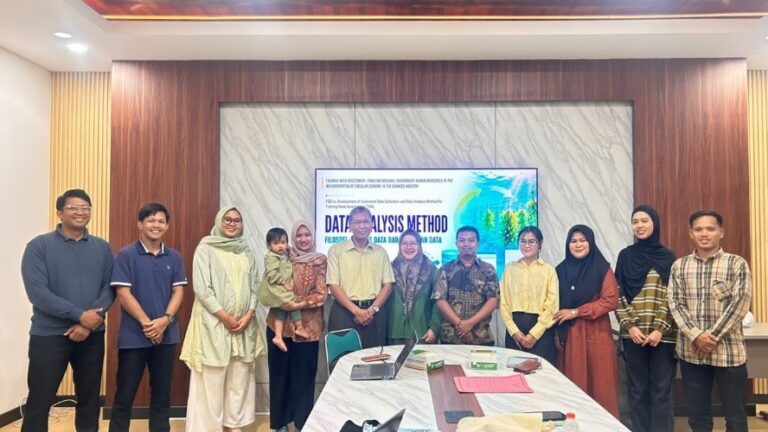
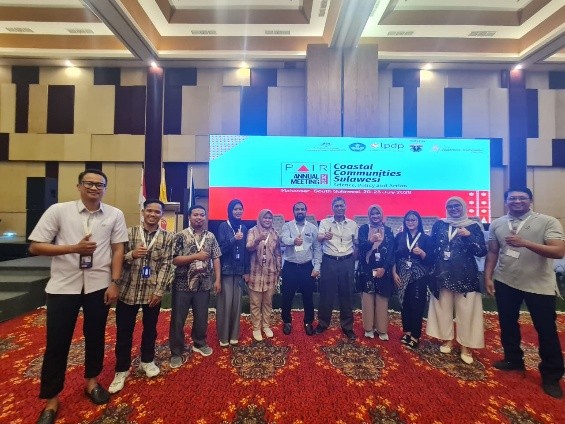
Barru, South Sulawesi, Indonesia — The PAIR Program conducted a field visit to the Central Statistics Agency of Barru Regency on December 24, 2025. The activity involved five participants and was conducted through discussions and interviews aimed at obtaining relevant information on regional conditions, government policies, and the development of seaweed farming. The visit formed part of an effort to strengthen understanding of local conditions through reliable and evidence-based information. As an institution responsible for producing and disseminating official statistical information, BPS plays an important role in providing data that support development planning and policy formulation. The discussion provided participants with an opportunity to better understand the availability, characteristics, and utilization of statistical data relevant to coastal communities and the seaweed sector in Barru Regency.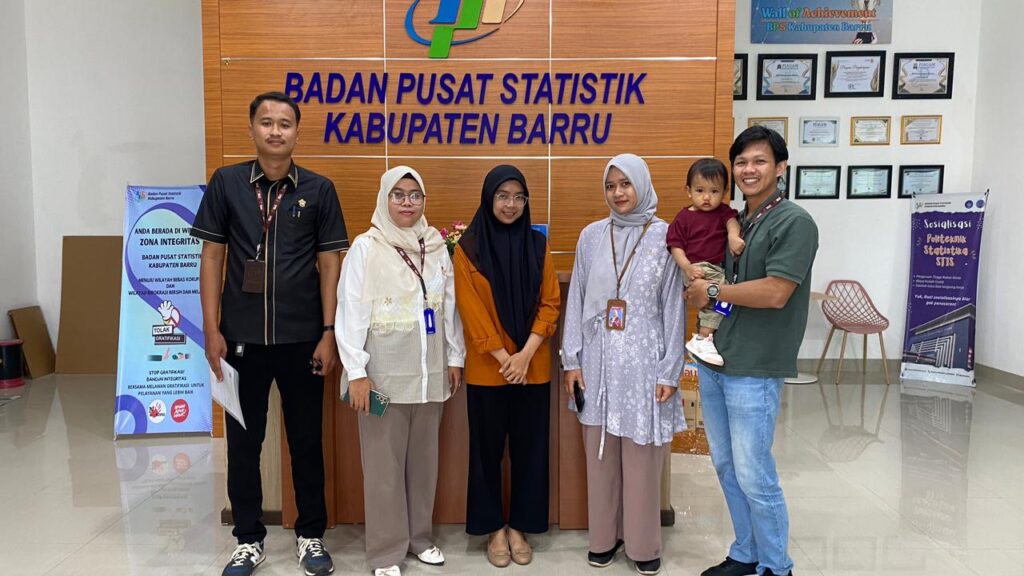 During the visit, the participants explored information related to the socio-economic characteristics of the community, regional development indicators, and data associated with marine and fisheries activities. Particular attention was given to information that could help describe the context in which seaweed farming operates, including the livelihoods of coastal communities and the broader economic conditions that may influence the development of the sector. The direct exchange with Central Statistics Agency also highlighted the importance of accurate, relevant, and accessible data in understanding complex development issues. Information obtained from official statistical sources can complement field observations, interviews, and other primary data collected through research activities. By bringing these different sources of information together, researchers and stakeholders can develop a more comprehensive understanding of local conditions and identify priorities for future interventions. The visit is closely connected to Sustainable Development Goal (SDG) 1: No Poverty, as reliable socio-economic data can support the identification of vulnerable communities and the development of appropriate livelihood strategies. It also contributes to SDG 4: Quality Education by strengthening knowledge and data literacy through interaction between researchers and public institutions. In the context of coastal resource development, the activity is also relevant to SDG 14: Life Below Water, as evidence-based planning can support more responsible and sustainable utilization of marine resources. Furthermore, the activity reflects SDG 17: Partnerships for the Goals through collaboration and knowledge exchange between academic researchers and government institutions. Such partnerships are essential for connecting data, research, and public policy, while ensuring that development decisions are informed by local evidence. Overall, the PAIR Program visit to the Central Statistics Agency of Barru demonstrated the important role of statistical information in understanding regional development and coastal livelihoods. The information gathered during the activity is expected to contribute to future research, strengthen evidence-based analysis, and support collaborative efforts toward more inclusive and sustainable seaweed development in Barru Regency and South Sulawesi.