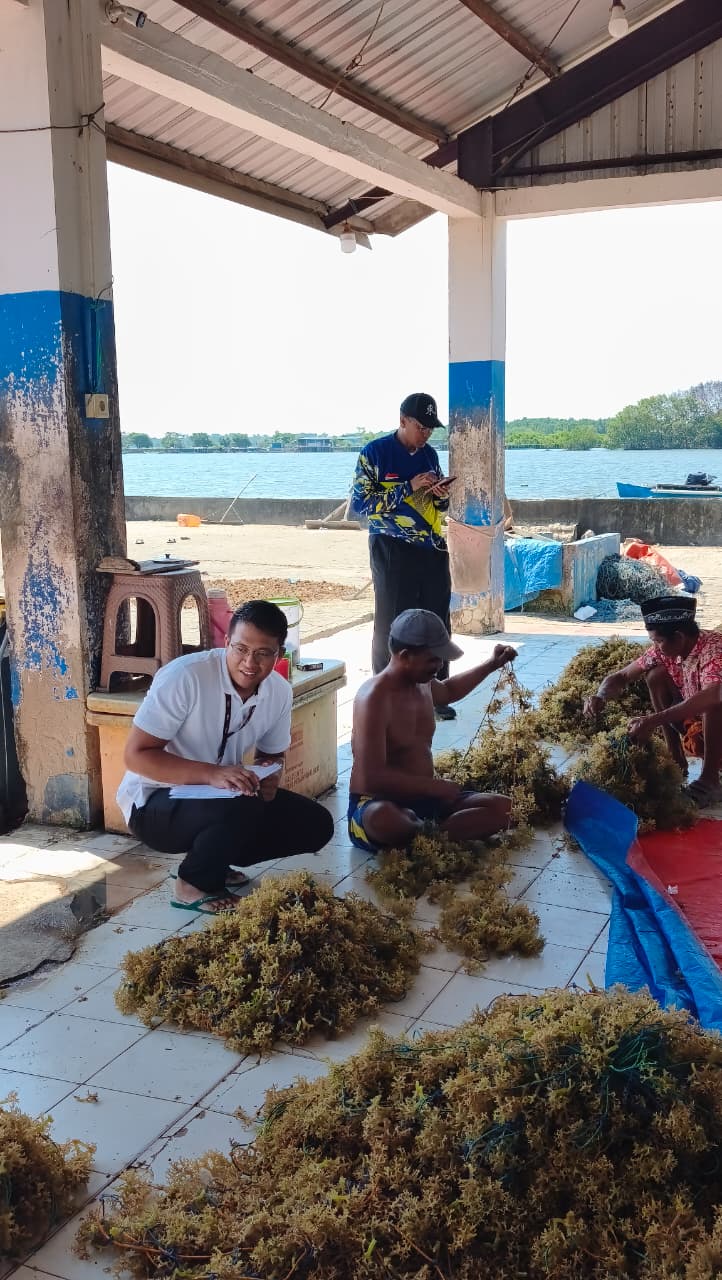
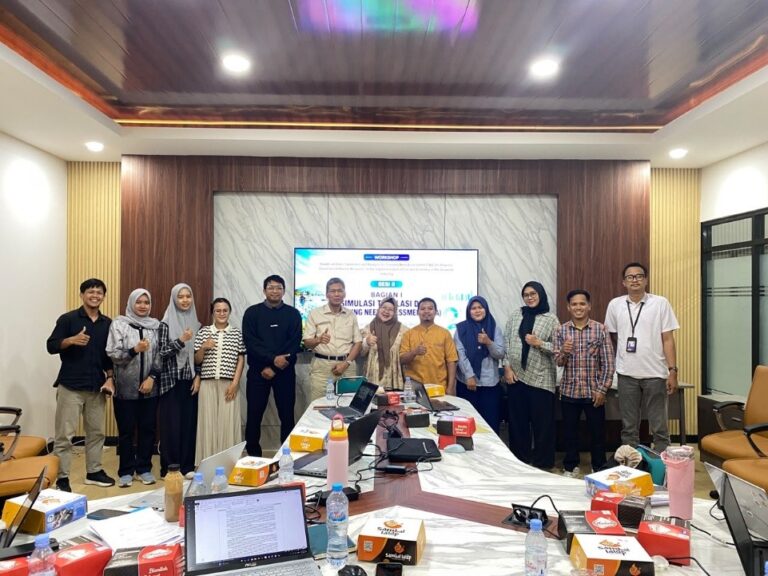
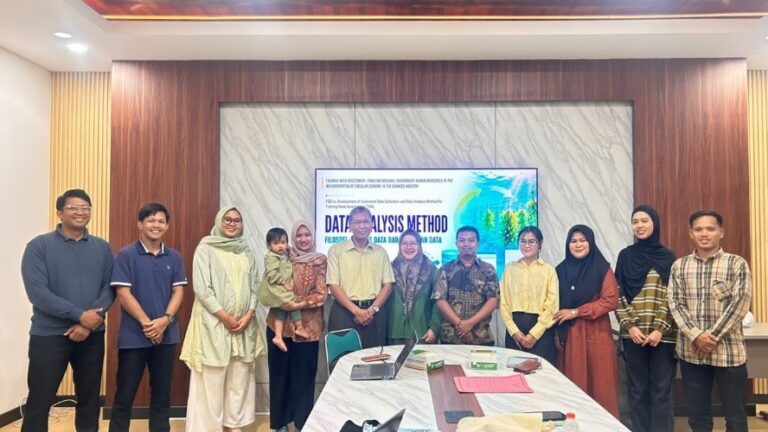
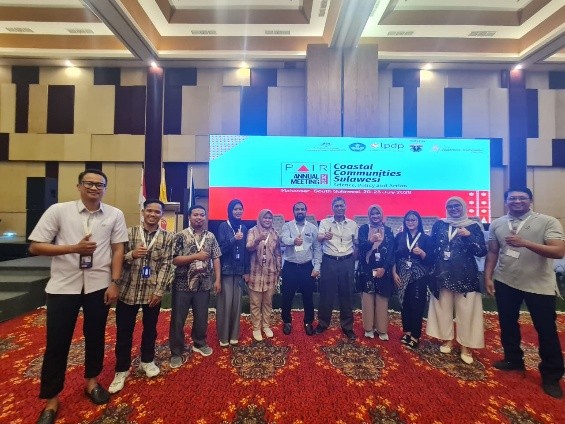
Pangkep, Indonesia — A PAIR Program visit to seaweed farmers in Maccini Baji, Labakkang District, Pangkep Regency, was conducted on 24 April 2026 as part of a discussion and interview activity aimed at understanding community experiences in seaweed farming, as well as the policies, institutional roles, and inter-agency linkages supporting coastal community empowerment. The activity involved 14 participants and created a space for direct dialogue with farmers as key actors who experience the realities of seaweed farming at the local level.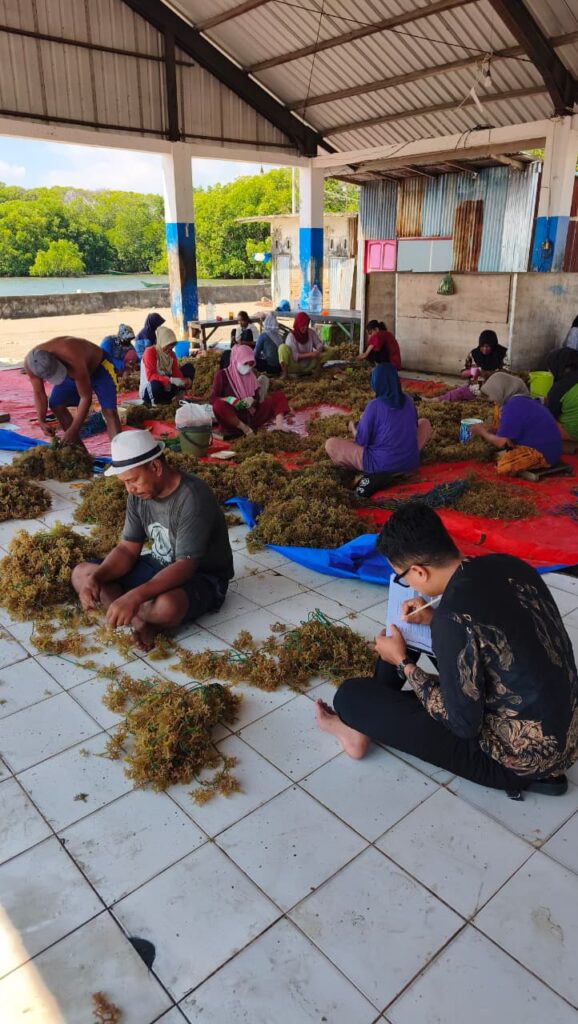 Engaging directly with farmers is important because the development of seaweed farming cannot be fully understood through policy perspectives or statistical data alone. Community experiences provide valuable insight into how policies and institutional support are received, understood, and experienced in everyday farming activities. Through interviews and discussions, participants explored farmers’ perspectives on their livelihoods, community needs, challenges, and the types of support required to strengthen the sustainability of seaweed farming. The discussion also explored the relationship between farmers and various institutions involved in coastal and community development. Effective empowerment requires connections among stakeholders so that support does not operate in isolation. Government institutions, supporting organizations, academics, and communities each have complementary roles in creating an enabling environment where farmers can access information, knowledge, capacity building, and opportunities for economic development. In terms of community welfare, the activity was closely related to SDG 1 (No Poverty). Seaweed farming represents an important livelihood activity for many coastal communities. Understanding farmers’ needs and experiences is therefore an important step toward developing empowerment policies that can strengthen economic resilience while supporting sustainable livelihoods.
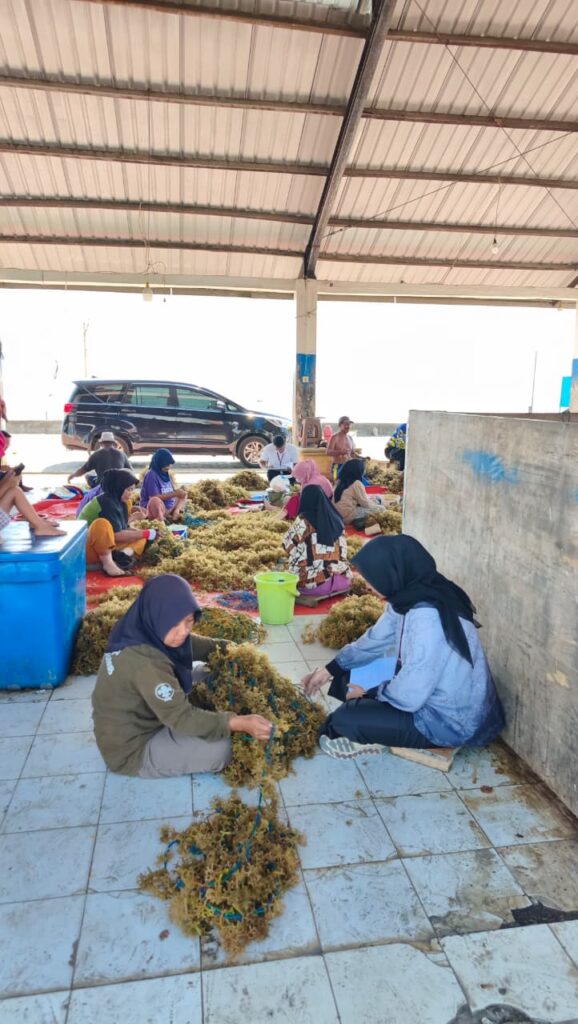 The activity also supported SDG 4 (Quality Education) through experience-based learning and knowledge exchange. Direct interaction with farmers enabled participants to gain a deeper understanding of local knowledge, socioeconomic conditions, and resource-management challenges from the perspective of the community itself. Such exchanges can help connect academic and institutional knowledge with practical realities in coastal areas. From an environmental perspective, the activity was relevant to SDG 14 (Life Below Water). Seaweed farming depends on the condition and quality of coastal and marine environments. Therefore, the development of farming activities needs to be accompanied by awareness of ecosystem sustainability and responsible use of marine resources. Furthermore, the visit contributed to SDG 17 (Partnerships for the Goals) by strengthening dialogue between the PAIR Program and seaweed-farming communities. Direct information exchange can serve as a bridge connecting knowledge, field experiences, policies, and community needs. Such collaboration is important for developing approaches that are responsive to local conditions. Overall, the visit demonstrated the importance of placing communities at the center of coastal development and policy processes. Listening directly to seaweed farmers provides a more contextual understanding of local needs while creating opportunities for more participatory, inclusive, and sustainable approaches to community empowerment. The activity also reinforced the value of connecting research, policy, institutional support, and local knowledge in strengthening the future of coastal livelihoods.