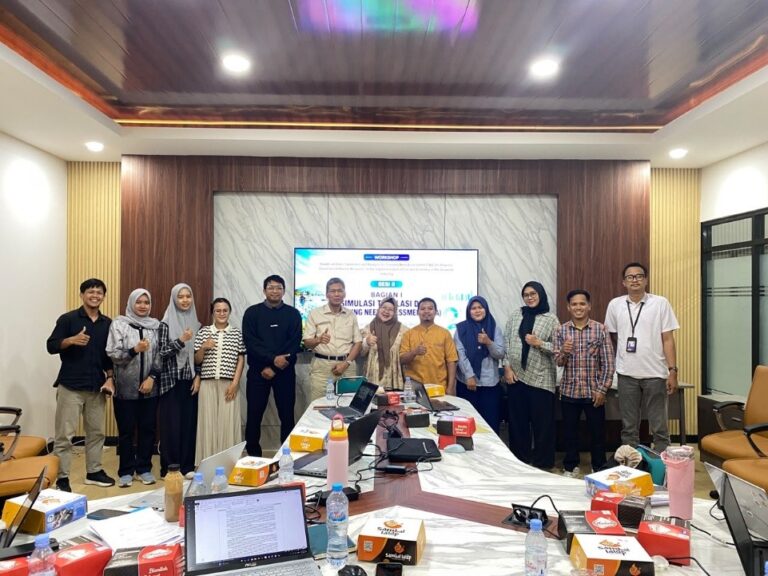
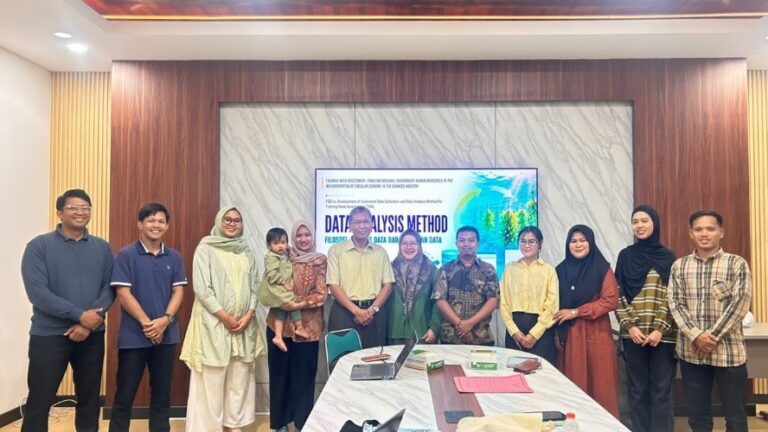
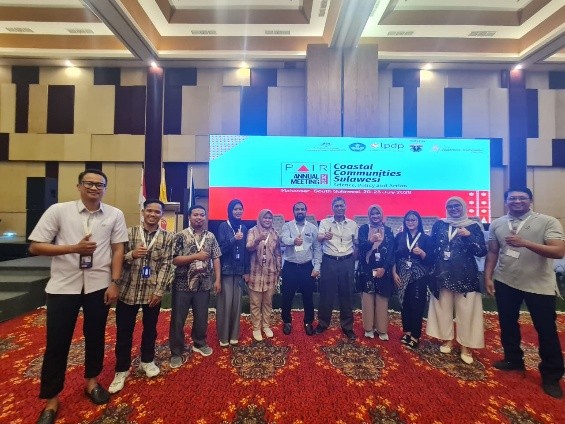
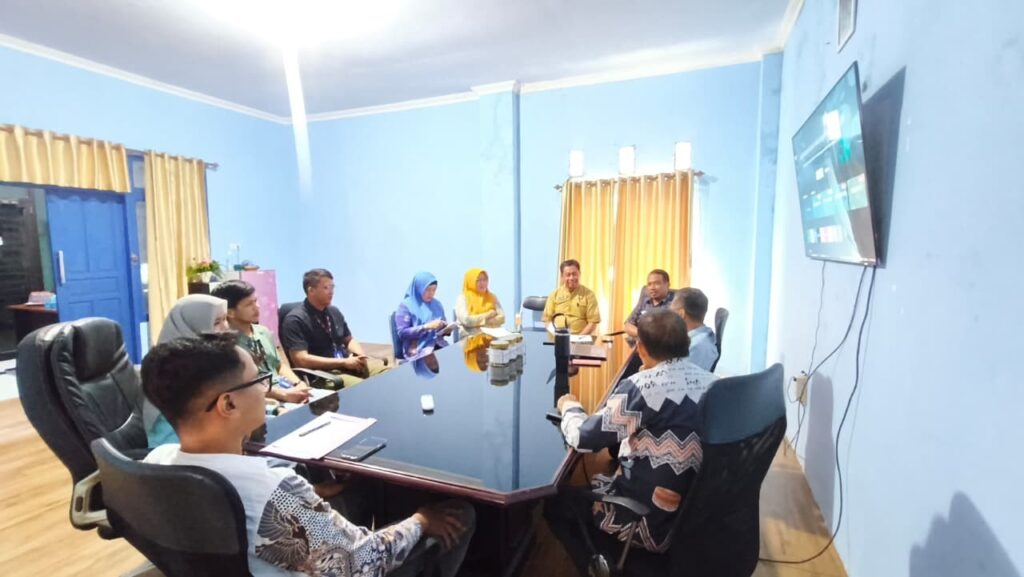
Pangkep, South Sulawesi — The PAIR Program conducted a visit to the Marine and Fisheries Office of Pangkajene and Kepulauan (Pangkep) Regency, South Sulawesi, on 16 April 2026. The activity was conducted through discussions and interviews to gather information on local government policies, as well as the conditions and practices of seaweed farming as part of marine and fisheries sector development. A total of 10 participants took part in the activity, creating an opportunity to exchange information and develop a better understanding of the seaweed sector at the local level.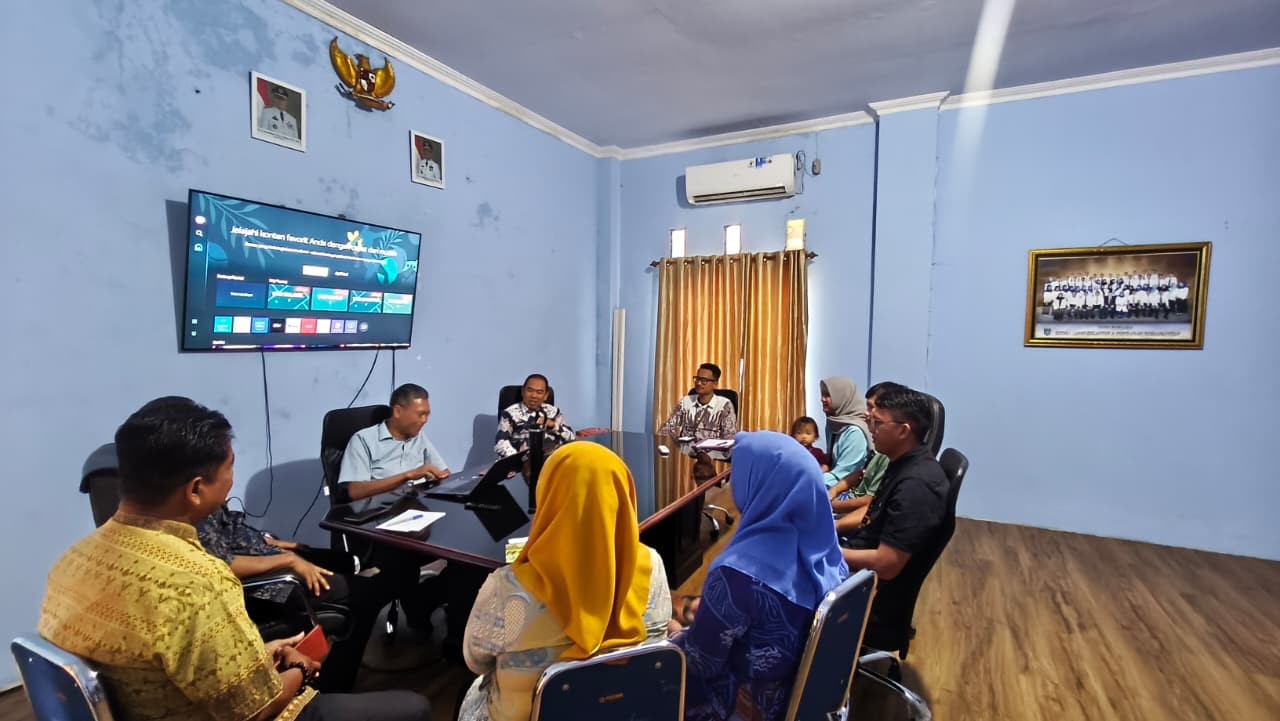 As a coastal and archipelagic regency in South Sulawesi, Pangkep possesses marine and fisheries resources that play an important role in supporting local communities. In this context, seaweed is an economically valuable commodity with considerable potential for sustainable development. However, the development of the seaweed sector requires appropriate policy support, institutional capacity, technical knowledge, and an understanding of the social and economic conditions of farming communities. Through discussions and interviews with the Pangkep Marine and Fisheries Office, participants explored local policy directions, government programs, and various conditions related to seaweed farming development. The discussions also provided an opportunity to understand challenges associated with farming activities, including community needs, government support, resource management, and opportunities to increase the economic value of seaweed. The information gathered during the activity was important because effective marine development policies need to be supported by evidence and information reflecting actual conditions on the ground. Dialogue with local government provided the PAIR Program with institutional perspectives while also improving its understanding of how development policies and programs interact with coastal community activities. This approach can serve as a foundation for developing recommendations that are more contextual and responsive to local priorities.
 The activity is closely connected to SDG 1 (No Poverty) through its focus on the development of the seaweed sector as a source of economic activity and livelihood for coastal communities. Strengthening this sector through sustainable approaches can create opportunities to improve household income and economic resilience. The activity also supports SDG 4 (Quality Education) through knowledge exchange and field-based learning between the PAIR Program and local government. Discussions and interviews provided participants with an opportunity to connect academic knowledge with practical policy experiences and community conditions. This type of learning can strengthen understanding of the complex relationship between policy, livelihoods, and marine resource management. Furthermore, the activity contributes to SDG 14 (Life Below Water) by promoting responsible utilization of marine resources through seaweed farming development that considers the sustainability of coastal and marine environments. At the same time, the interaction between the PAIR Program and local government directly supports SDG 17 (Partnerships for the Goals) by strengthening communication, knowledge exchange, and institutional collaboration. Ultimately, the visit was not merely an information-gathering activity but also an opportunity to strengthen communication, develop institutional networks, and explore future collaboration. By connecting knowledge, policy, and field-based experiences, the activity is expected to contribute to the development of a productive, inclusive, and sustainable seaweed farming sector in Pangkep Regency.