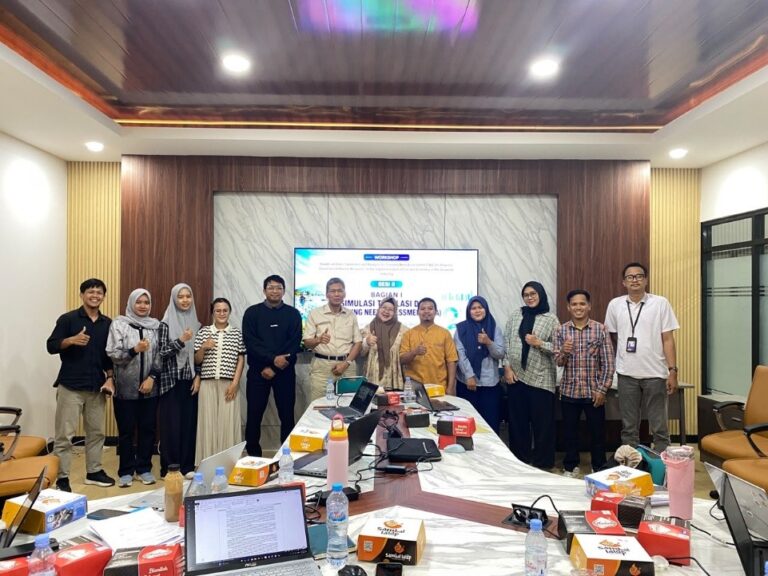
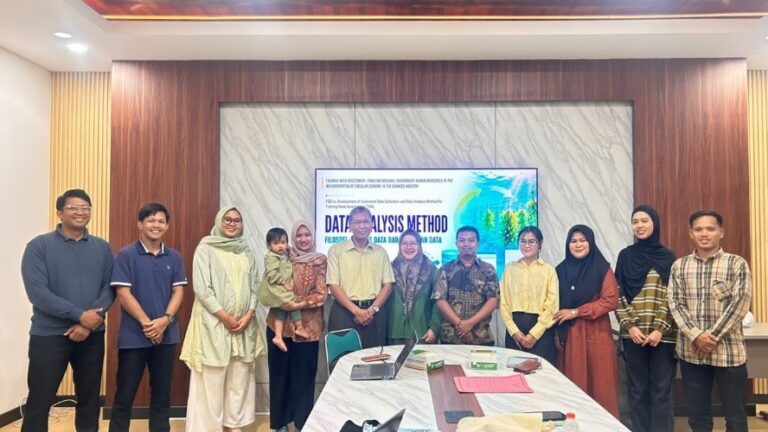
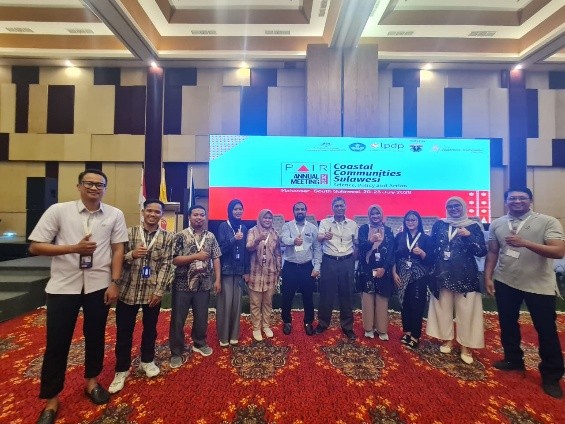
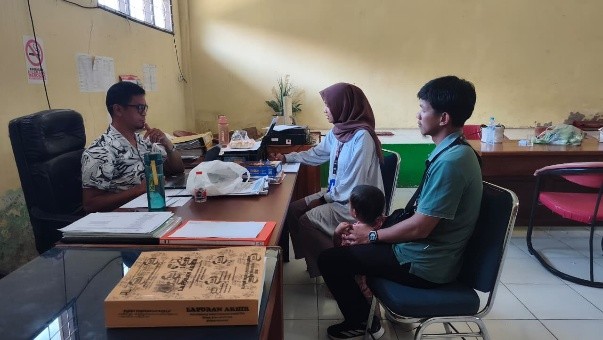
Pinrang, South Sulawesi — The PAIR Program conducted a visit to the Environmental and Forestry Office of Pinrang Regency, South Sulawesi, on April 17, 2026. The activity aimed to gather information through discussions and interviews concerning environmental policies and their relevance to seaweed development and farming activities. Five participants took part in the activity as part of an information-gathering and knowledge-exchange process with local government stakeholders.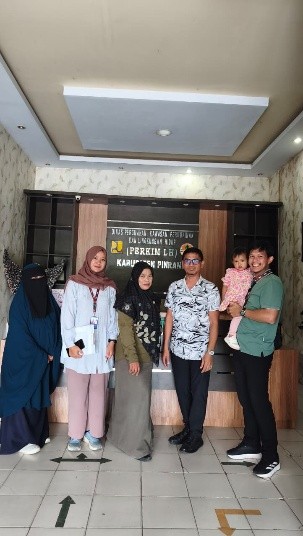 The visit provided a platform for dialogue to understand how environmental considerations are incorporated into the development of economic activities based on natural resources, particularly in coastal areas. Seaweed farming has significant economic potential for coastal communities; however, its development needs to consider environmental carrying capacity, water quality, and the sustainability of coastal and marine ecosystems. An environmental perspective is therefore essential to ensure that increasing economic activities do not compromise the ability of ecosystems to provide benefits for communities in the future. Through discussions and interviews with representatives of the Pinrang Environmental and Forestry Office, participants gained insights into environmental policies and management practices at the local level. The information gathered contributed to a broader understanding of the relationship between community activities, coastal resource utilization, and environmental protection. The discussions also highlighted the importance of cross-sectoral coordination in developing coastal commodities such as seaweed, which involve interconnected economic, social, and ecological dimensions. The activity is closely related to SDG 1 (No Poverty) because the sustainability of coastal resources is closely connected to the long-term livelihoods of coastal communities. Effective environmental management can help maintain the natural resources that support community economic activities and strengthen livelihood resilience over time.
 From an educational perspective, the activity supports SDG 4 (Quality Education) through field-based learning and knowledge exchange. Direct discussions with local government representatives provided participants with an opportunity to connect academic knowledge of coastal resources with practical environmental policies and management approaches at the regional level. The activity also contributes to SDG 14 (Life Below Water) by emphasizing the importance of maintaining healthy coastal and marine ecosystems where seaweed farming activities take place. In addition, its relevance to SDG 15 (Life on Land) is reflected in the importance of integrated environmental management and the ecological connections between terrestrial, coastal, and marine environments. The partnership dimension of the activity is closely aligned with SDG 17 (Partnerships for the Goals). The interaction between the PAIR Program and the Pinrang Environmental and Forestry Office demonstrates that sustainable resource management requires communication and collaboration among government institutions, academic communities, and other relevant stakeholders. Ultimately, the visit was more than a discussion and interview activity. It served as an opportunity to strengthen understanding of the importance of integrating environmental considerations into coastal economic development. Through knowledge exchange and stronger institutional networks, the activity is expected to contribute to the development of seaweed farming that is not only economically productive but also environmentally responsible and supportive of long-term community well-being.