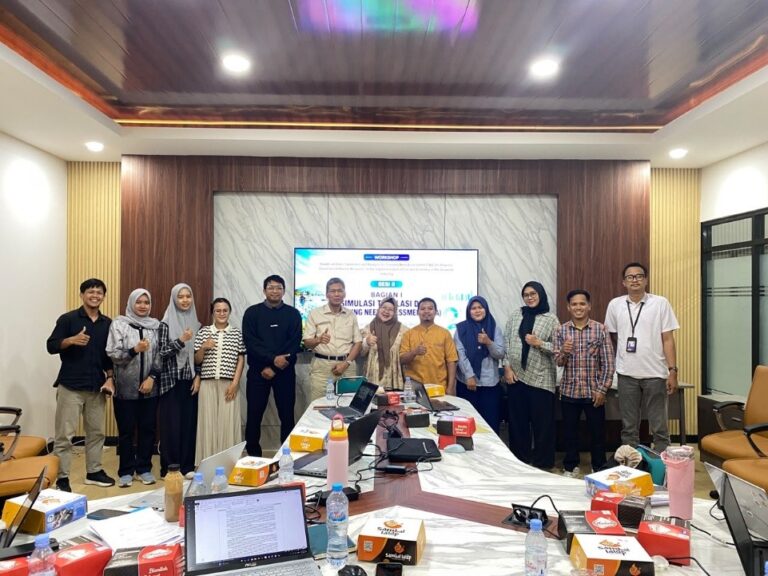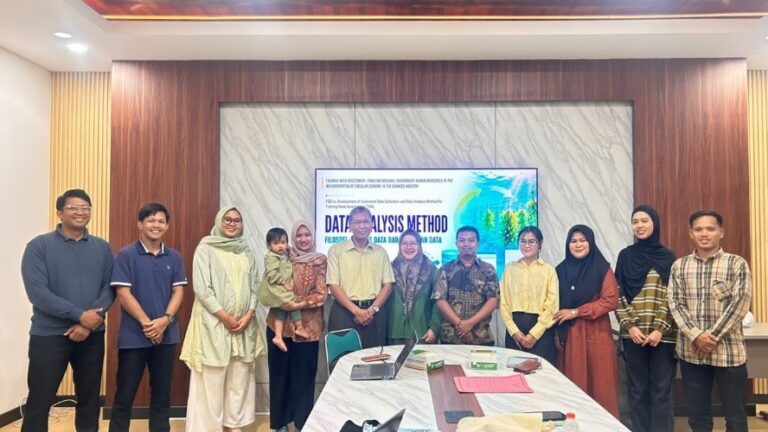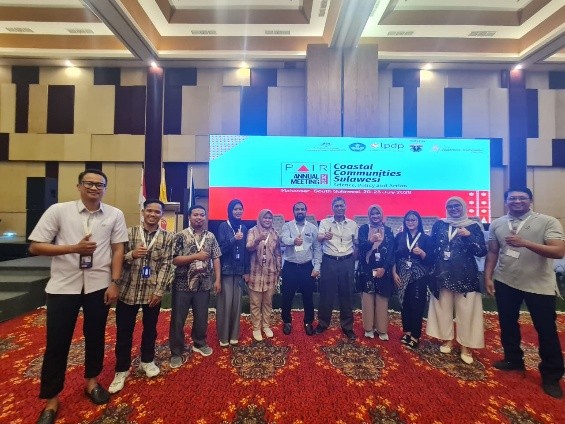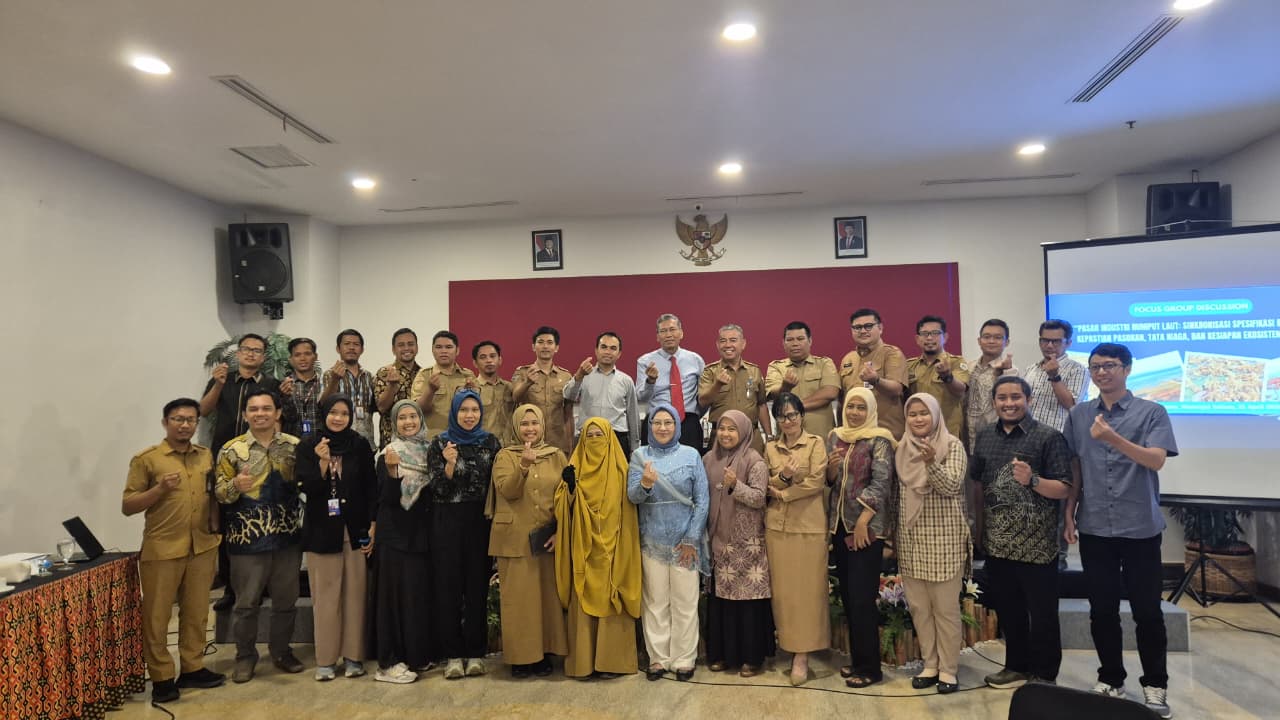
Mamuju April 21. On Tuesday, April 21, 2026, a strategic Focus Group Discussion (FGD) was convened at the Grand Hotel Maleo in Mamuju, West Sulawesi, bringing together 35 participants representing regional government agencies, academic institutions, and local business actors. Organized under the Partnership for Australia-Indonesia Research (PAIR) framework by Hasanuddin University, the forum addressed critical operational and structural challenges under the theme: “Seaweed Industry Market: Synchronizing Raw Material Specifications, Supply Certainty, Commercial Governance, and Ecosystem Readiness.”
The primary objective of this event was to enhance the overall governance of the regional seaweed sector through a circular economy framework. Specifically, the discussion evaluated inter-agency regulatory structures, aligned cross-sectoral policies across industrial trade, investment, and planning domains, and formulated target-oriented incentive frameworks. Despite possessing approximately 16,000 hectares of potential cultivation area, West Sulawesi currently utilizes less than 5,000 hectares, facing persistent issues such as raw material dependence, unorganized supply chains, and low processing capacity.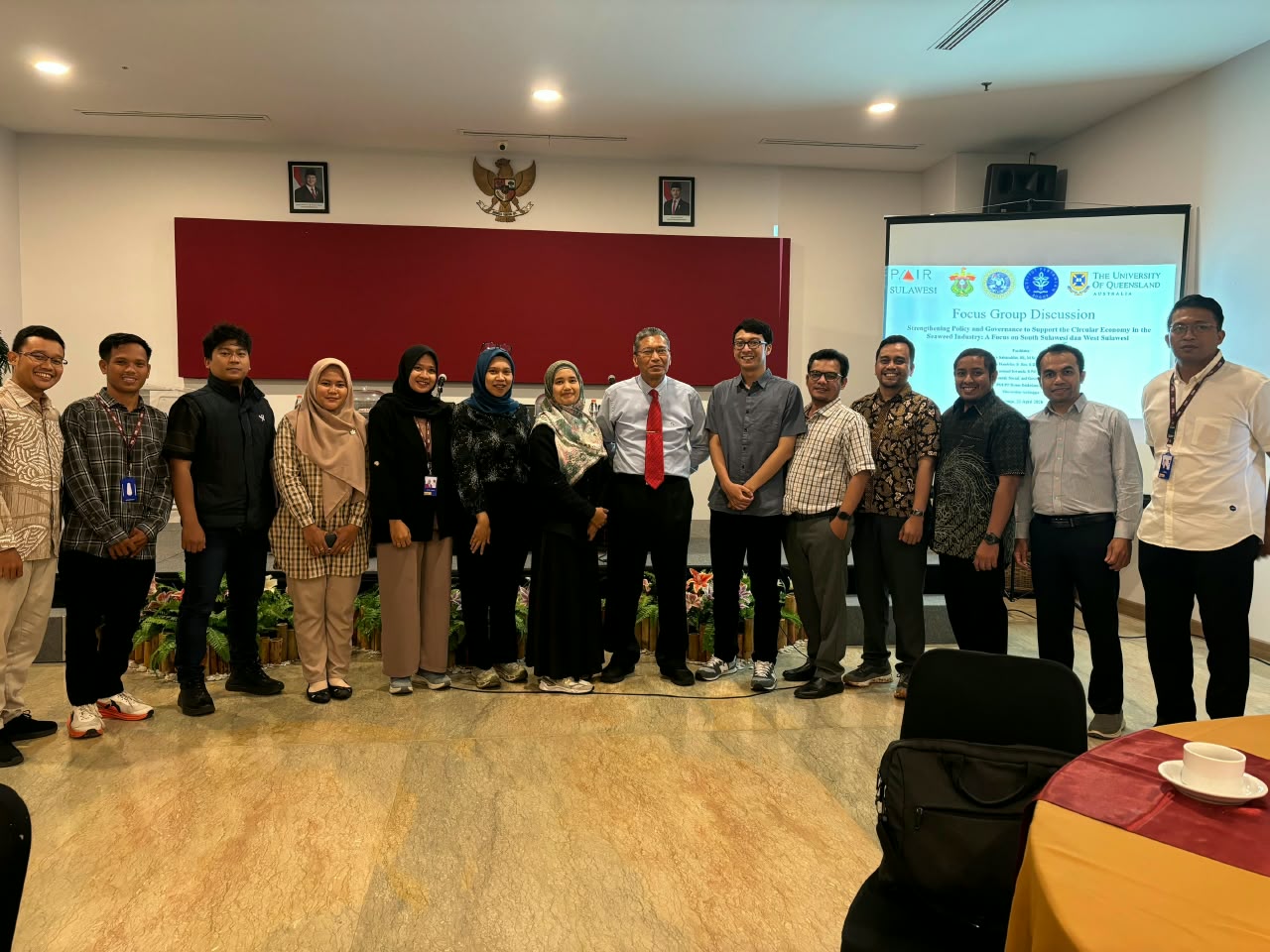 Addressing these systemic bottlenecks directly advances SDG 1 (No Poverty) by empowering coastal farming communities, optimizing raw material trade structures, and promoting inclusive economic growth across regional value chains. Furthermore, the initiative actively supports SDG 4 (Quality Education) by prioritizing technical assistance, institutional capacity building, and continuous knowledge transfer for local farmers and micro, small, and medium enterprises (MSMEs). Crucially, the forum embodied the principles of SDG 17 (Partnerships for the Goals) by establishing a collaborative ecosystem connecting provincial authorities, municipal offices, academia, and private sector investors to build a resilient, supply-certain industry.
Throughout the interactive sessions, key figures—including representatives from local marine, trade, and investment agencies—emphasized that while Mamuju’s seaweed possesses high carrageenan quality, achieving international export readiness requires meeting volume, quality, and continuity standards simultaneously. Discussions highlighted the necessity of integrating eco-friendly cultivation practices to prevent microplastic contamination, mapping strategic industrial zones into spatial planning documents, and creating clear business-matching pathways to attract capital investments.
Led by Prof. Dr. Ambo Tuwo, the consensus highlighted three essential layers for sustainable industrial development: establishing supportive policy suprastructures, constructing dedicated processing and cold-chain logistics infrastructures, and cultivating success stories within local business substructures to catalyze market confidence. Moving forward, the actionable recommendations derived from this session will directly inform regional policy frameworks and strategic masterplans, establishing West Sulawesi as a competitive, environmentally responsible hub for high-value seaweed production.