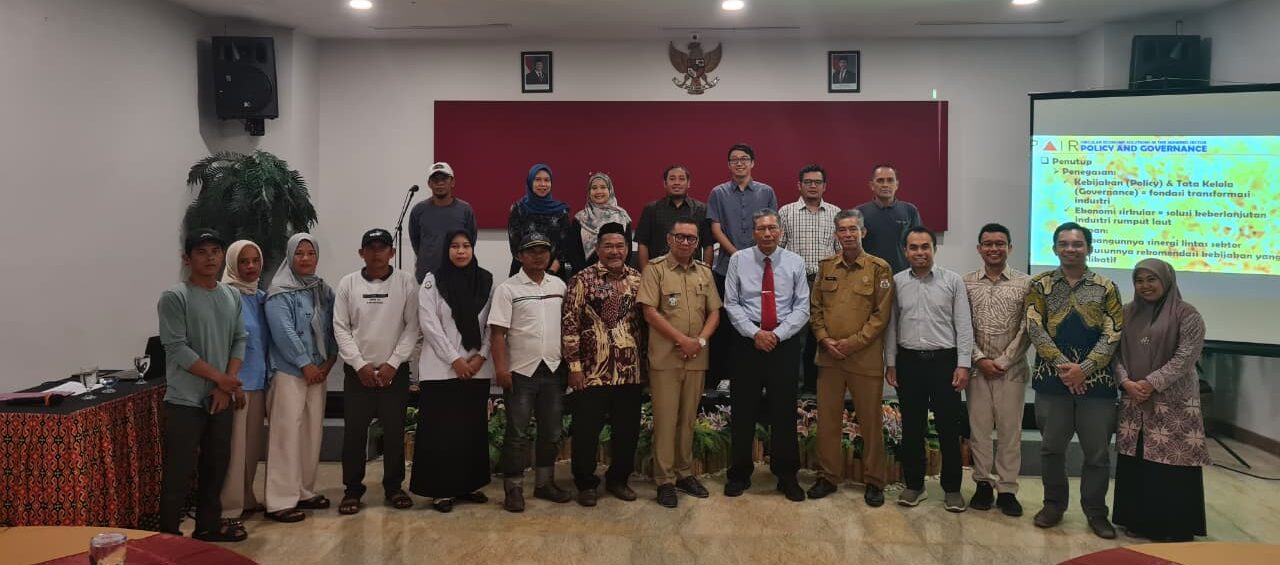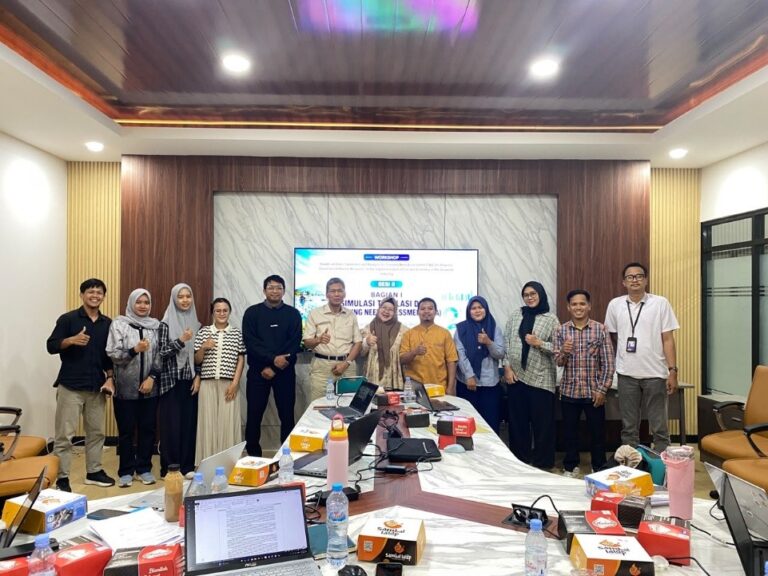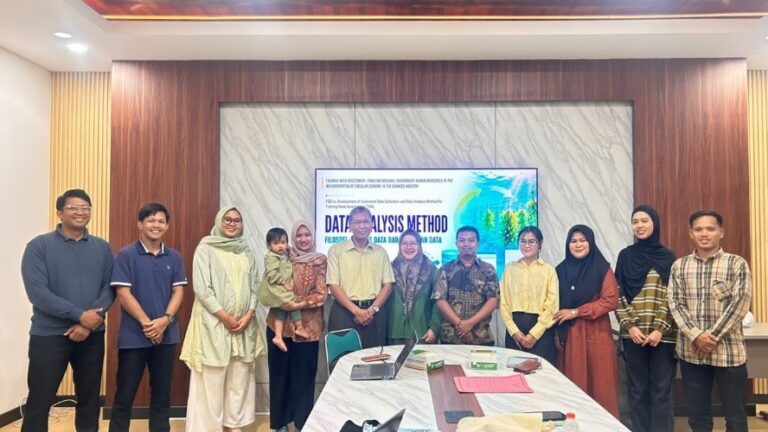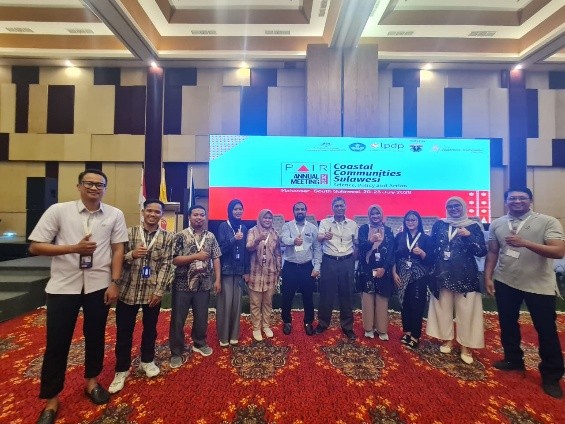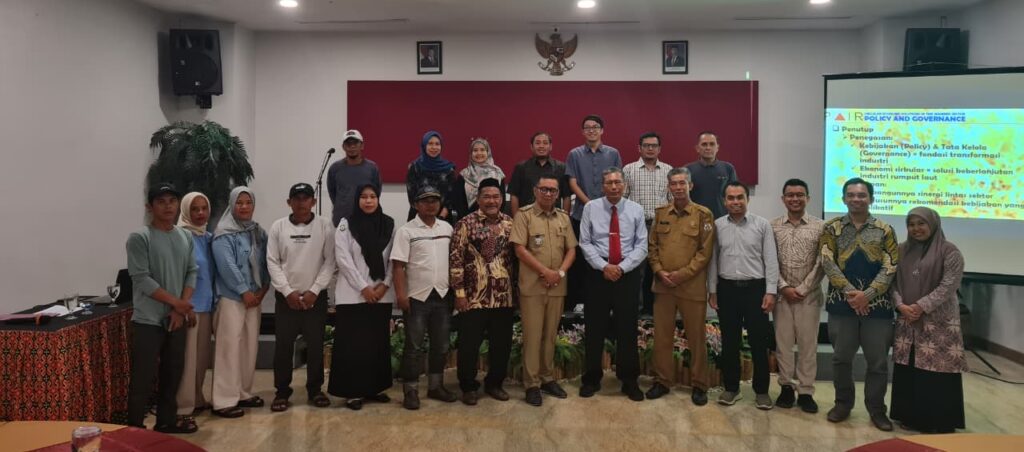
Mamuju, April 21, 2026 – The seaweed industry holds immense potential as a pillar of coastal livelihoods, yet it requires a transformative approach to achieve sustainability. On April 21, 2026, a pivotal Focus Group Discussion titled “FGD Sinkronisasi Kebijakan (Policy) dan Tata Kelola (Governance) untuk Pengembangan Ekonomi Sirkular Industri Rumput Laut” was convened at Hotel Maleo in Mamuju, West Sulawesi. Attended by 26 participants from various sectors, the session aimed to gather multi-stakeholder inputs, identify gaps between policies and field implementations, collect evidence-based insights, and formulate adaptive policy recommendations.
Despite being a national production base, West Sulawesi’s seaweed industry remains largely at the household scale and heavily reliant on raw exports. During the discussion, critical challenges were identified, including limited operational capital for farmers, low selling prices, and an absence of local processing industries. Furthermore, environmental threats, such as plastic waste pollution, ice-ice disease, and pest disruptions, continuously hinder cultivation viability. These multifaceted issues underscore the urgent need for a paradigm shift toward a circular economy, which emphasizes reducing waste, reusing materials, and recycling cultivation by-products.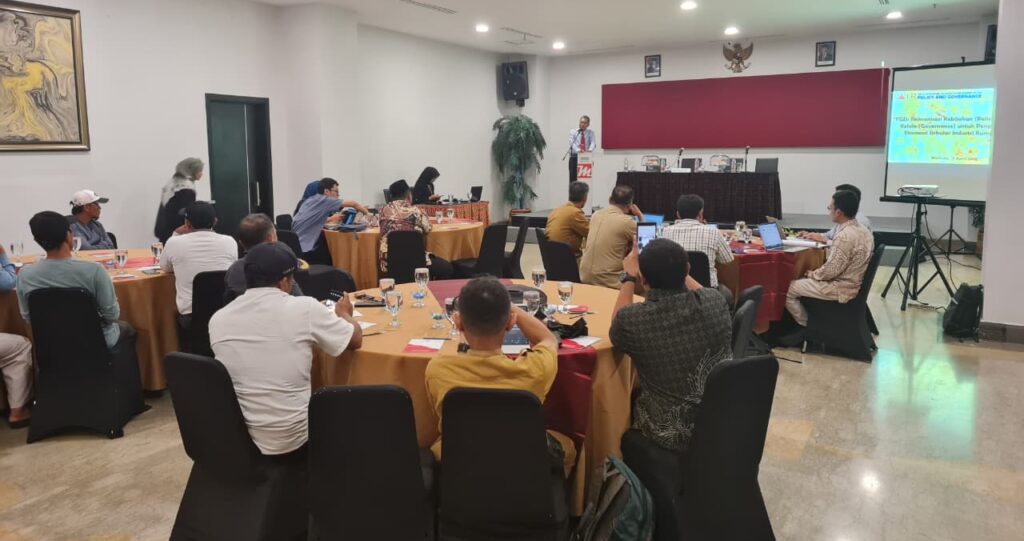
This strategic transition is deeply intertwined with global sustainability agendas. Most notably, this initiative explicitly supports Sustainable Development Goal 1 (No Poverty) by aiming to eradicate economic vulnerability among coastal communities through improved capital access and fairer pricing mechanisms. Furthermore, the collaborative framework of the FGD epitomizes Sustainable Development Goal 17 (Partnerships for the Goals), fostering synergies between government bodies, researchers, and farmers to create cohesive regulations. It also promotes Sustainable Development Goal 14 (Life Below Water) by directly addressing marine pollution and promoting responsible aquaculture practices.
Strong governance and inclusive policies were highlighted as the absolute foundation of this transformation. Participants noted the crucial, yet often overlooked, role of women and the elderly in the seaweed value chain. Empowering these vulnerable groups through specialized microcredit schemes and targeted capacity-building programs is essential for inclusive growth. Moving forward, the FGD participants formulated several pressing recommendations. These strategic actions include establishing a real-time information system for commodity prices and seedling distribution, developing standardized drying facilities, and providing comprehensive training for advanced seaweed processing.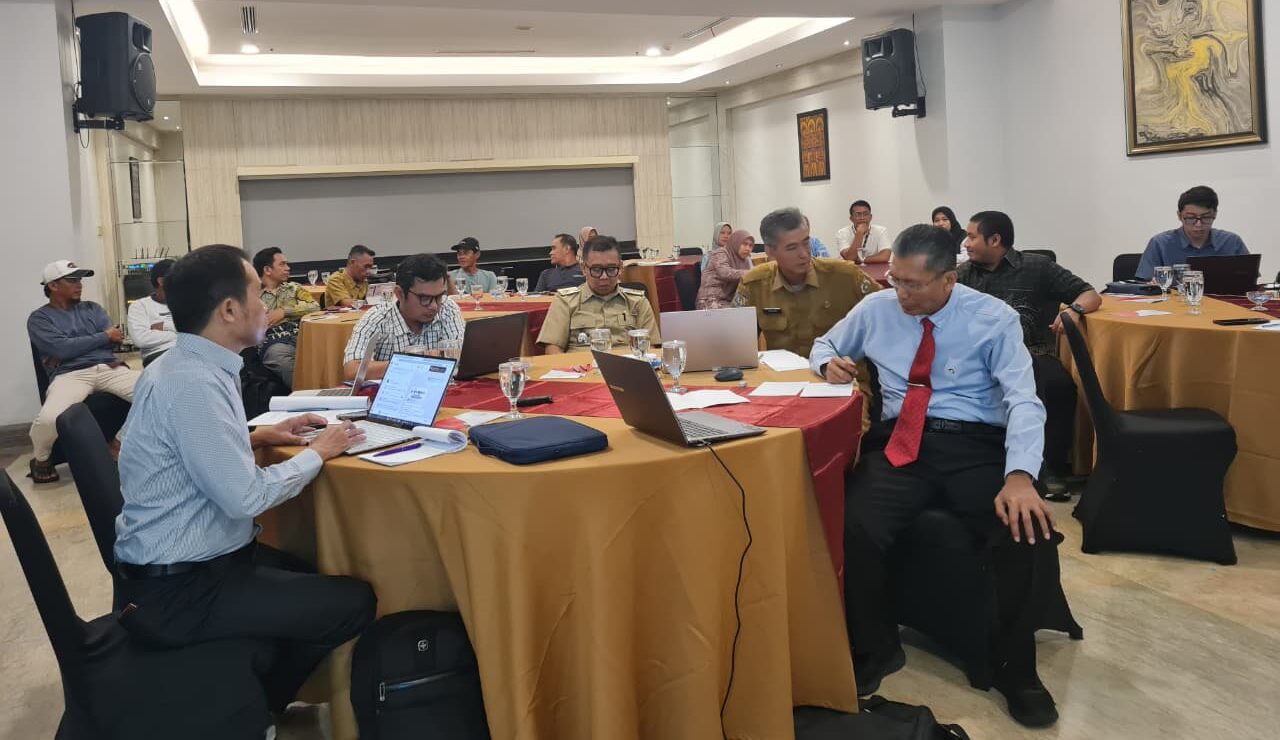
Ultimately, realizing a circular economy in the seaweed sector demands consistent policy harmonization and proactive institutional support. The valuable insights gathered from this session will serve as a foundational step for further research and targeted regional interventions. Through evidence-based policies, robust governance structures, and cross-sectoral collaboration, the seaweed industry in West Sulawesi can successfully evolve into a resilient economic engine. This ongoing transformation will ensure long-term environmental sustainability and guarantee equitable prosperity for all its coastal communities, paving the way for a brighter maritime future.