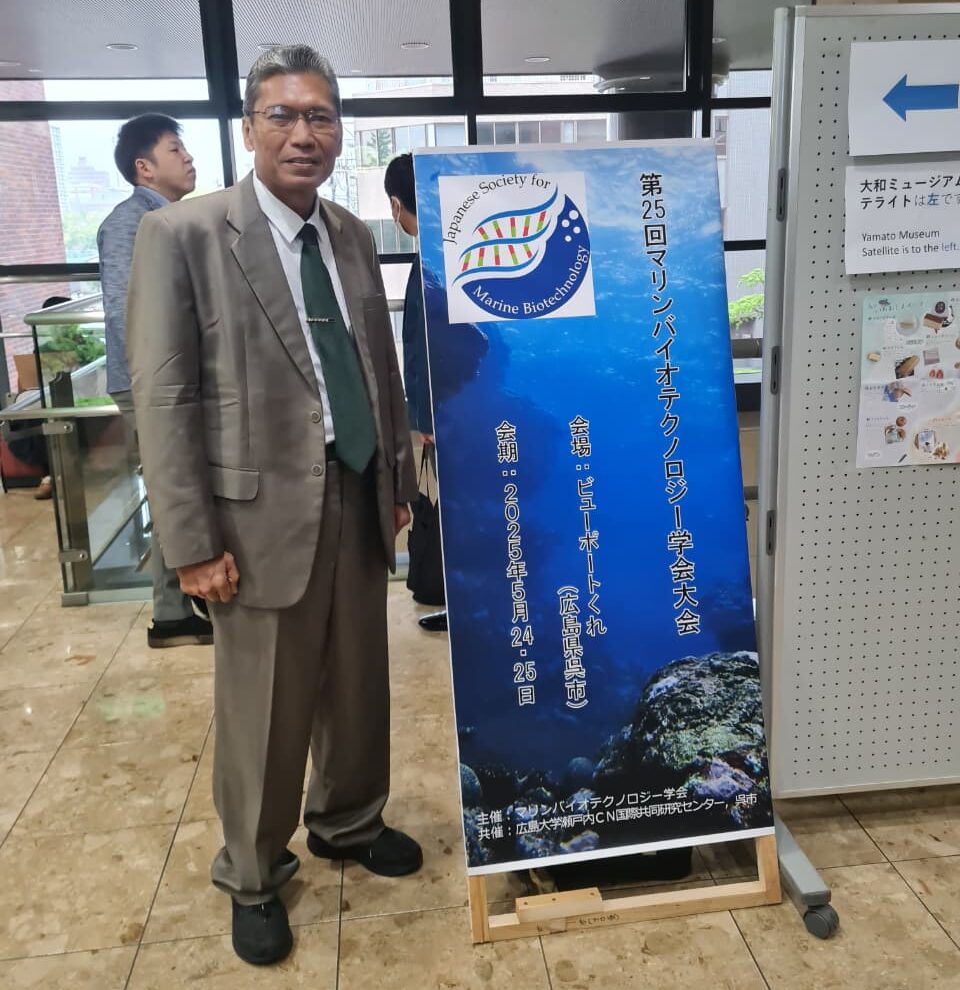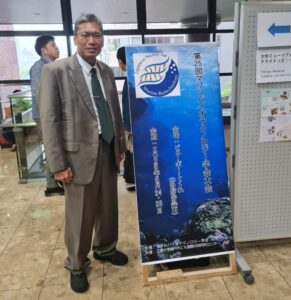
Hiroshima, Japan — The 25th Annual Meeting of the Japanese Society for Marine Biotechnology and SATREPS International Symposium brought together approximately 150 participants from various countries on May 24, 2026, creating an important international platform for researchers, students, and marine biotechnology experts to exchange knowledge and strengthen scientific collaboration.
Universitas Hasanuddin (UNHAS) participated in the event as part of its ongoing international research collaboration through the SATREPS project, “Investigation of Seaweeds as Marine Bioresource and Optimization of the Cultivation.” The project brings together expertise and research capacity from Indonesia and Japan, involving UNHAS, Tsukuba University, and the National Research and Innovation Agency (BRIN), with international partnerships also involving Kyoto University.
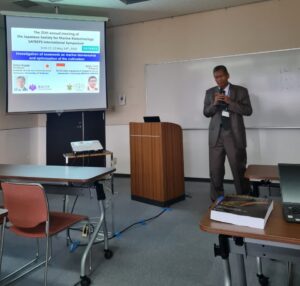
The participation of UNHAS was aimed at presenting the achievements and progress of the SATREPS collaboration, particularly in exploring seaweeds as valuable marine bioresources and improving their cultivation. Seaweeds are increasingly recognized not only as marine organisms with ecological importance but also as potential sources of sustainable materials, food, and other products that can support future innovation.
The event also provided an opportunity for Indonesian researchers and students to engage directly with the international scientific community. Two UNHAS students, Dedy Muhammad Iqbal and Sri Ayu Lestari, both PMDSU Awardees, participated in the international academic forum. Their involvement demonstrates the importance of providing young researchers with opportunities to learn, present ideas, build professional networks, and experience international scientific collaboration.
Beyond the presentation of research achievements, the meeting highlighted the value of partnerships across institutions and countries. Collaboration between UNHAS, Tsukuba University, Kyoto University, and BRIN provides a foundation for sharing scientific knowledge, research infrastructure, expertise, and experience. Such collaboration is essential for addressing complex marine challenges that cannot be solved by a single institution or country.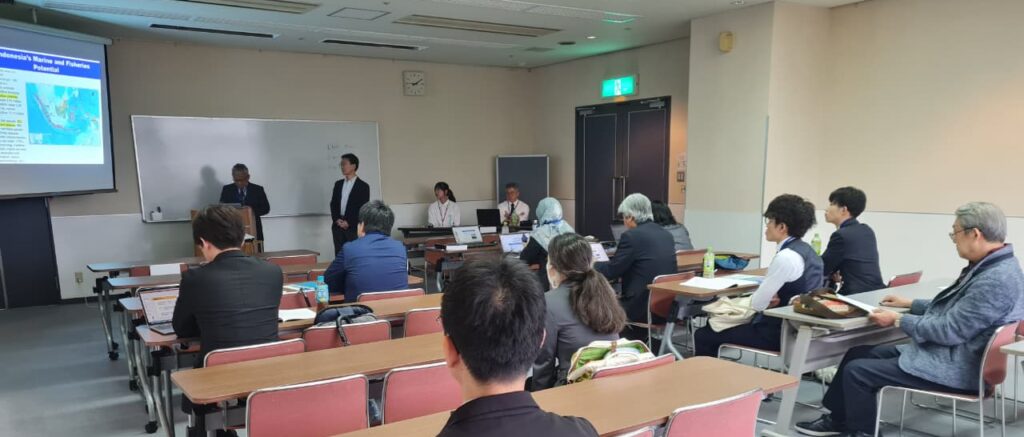
The SATREPS collaboration is closely aligned with the Sustainable Development Goals (SDGs). In particular, the project contributes to SDG 14: Life Below Water by promoting research and sustainable utilization of marine resources. Developing responsible approaches to seaweed cultivation can support the sustainable use of marine ecosystems while creating opportunities for marine-based innovation.
The initiative also supports SDG 4: Quality Education by providing students and early-career researchers with opportunities for international learning, scientific exchange, and capacity building. At the same time, research and innovation in marine bioresources can contribute indirectly to SDG 1: No Poverty by creating knowledge and potential economic opportunities based on sustainable marine resources.
Most importantly, the collaboration reflects SDG 17: Partnerships for the Goals, demonstrating how international partnerships can connect universities, research institutions, government agencies, researchers, and students toward shared sustainable development objectives. The participation of UNHAS in Hiroshima therefore represents more than an academic presentation. It is a reflection of how international cooperation, scientific research, and human resource development can work together to transform marine resources into sustainable opportunities for the future.