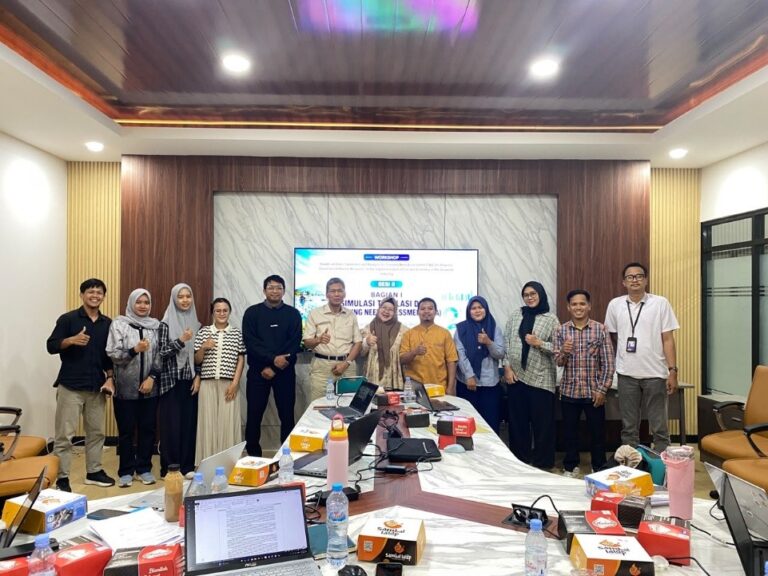
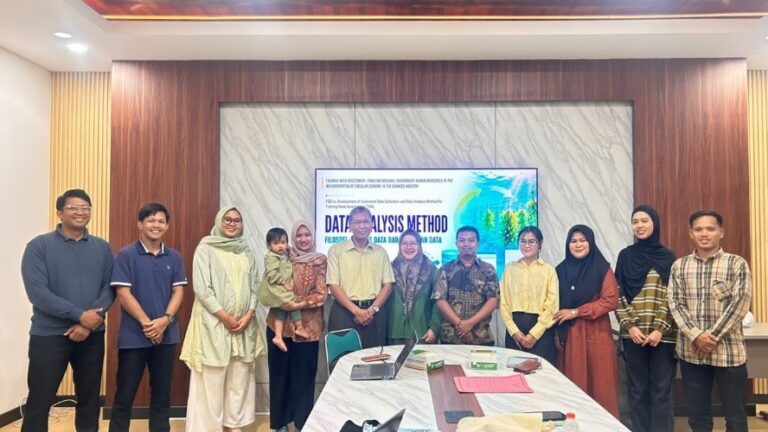
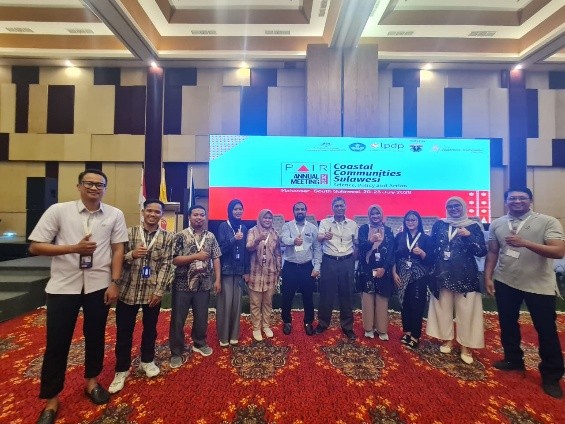
Pinrang, South Sulawesi — The PAIR Program conducted a visit to Micro, Small, and Medium Enterprises (MSMEs) in Pinrang Regency, South Sulawesi, on April 17, 2026. The activity aimed to gather information through discussions and interviews concerning policies, institutional roles, and the relationships among relevant agencies in supporting community empowerment through seaweed farming and utilization. Five participants took part in the activity as part of a field-based information-gathering, learning, and knowledge-exchange process with local business actors.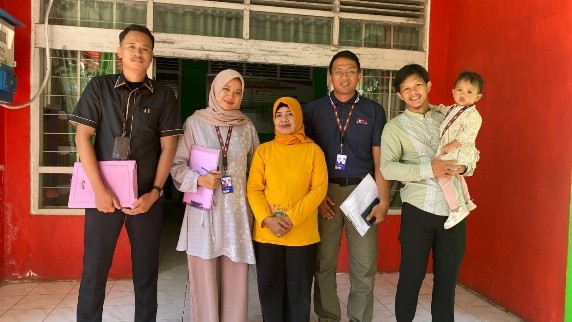 The visit provided the PAIR Program with an opportunity to gain a closer understanding of how MSMEs contribute to local economic activities and how seaweed can be developed into a source of greater economic value. For coastal communities, seaweed is not merely a farming commodity but can also become part of a broader economic chain involving processing, marketing, and product development. Understanding the experiences of MSMEs is therefore important for identifying both opportunities and challenges in strengthening the seaweed sector.Through discussions and interviews, participants explored the experiences of MSMEs in managing their businesses, the forms of support they had received, and their relationships with government agencies and other stakeholders. The discussions also examined how government policies and programs can be translated into practical support for communities, including capacity building, access to information, business development, and market opportunities. The activity highlighted that effective community empowerment requires an integrated approach. Seaweed development cannot be viewed solely from a production perspective but should also consider communities’ capacity to manage businesses, increase product value, access markets, and develop institutional networks. In this context, MSMEs serve as an important link between community-level production and broader economic opportunities.
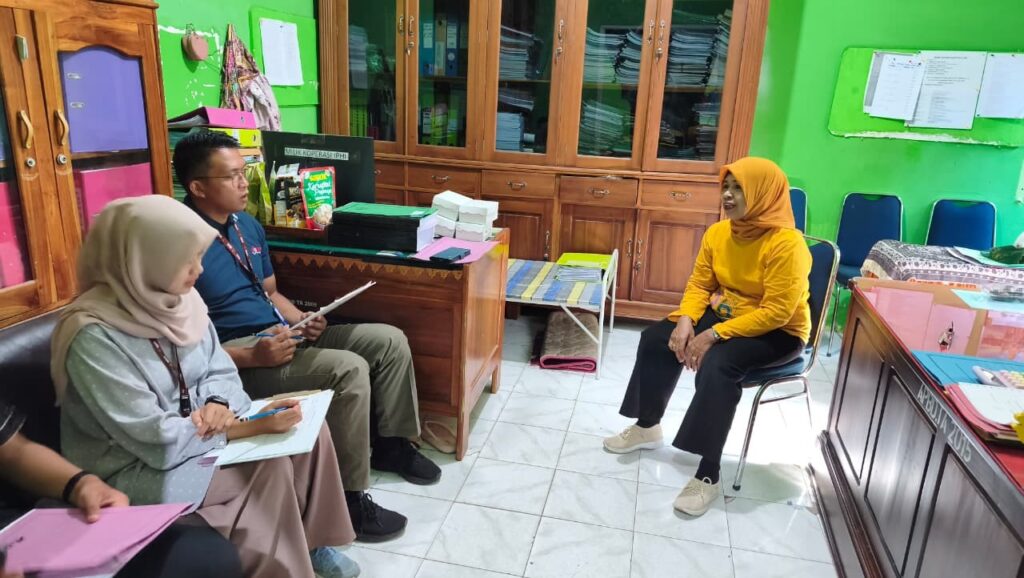 The activity is closely connected to SDG 1 (No Poverty) through its focus on economic opportunities and livelihood development based on seaweed resources. Strengthening MSMEs can provide opportunities for communities to increase income, diversify economic activities, and improve household economic resilience. The activity also supports SDG 4 (Quality Education) through experiential learning and knowledge exchange with local business actors. Information obtained directly from the field provided participants with practical perspectives on community empowerment, business development, and the challenges faced by local entrepreneurs. From a resource sustainability perspective, the activity is relevant to SDG 14 (Life Below Water) because seaweed is a commodity derived from coastal and marine environments. The development of seaweed-based businesses therefore needs to be accompanied by responsible resource utilization and consideration of coastal ecosystem sustainability. Meanwhile, the involvement of multiple stakeholders in community empowerment reflects SDG 17 (Partnerships for the Goals). Collaboration among government institutions, MSMEs, communities, and the PAIR Program is essential for building a more inclusive and sustainable ecosystem for seaweed development. Ultimately, the visit served as an important opportunity to understand community needs from the perspective of local business actors while strengthening connections among research, policy, and field practices. Insights gathered during the activity are expected to enrich the PAIR Program’s understanding and contribute to the development of more contextual, participatory, and sustainable approaches to community empowerment and seaweed-sector development in Pinrang Regency.