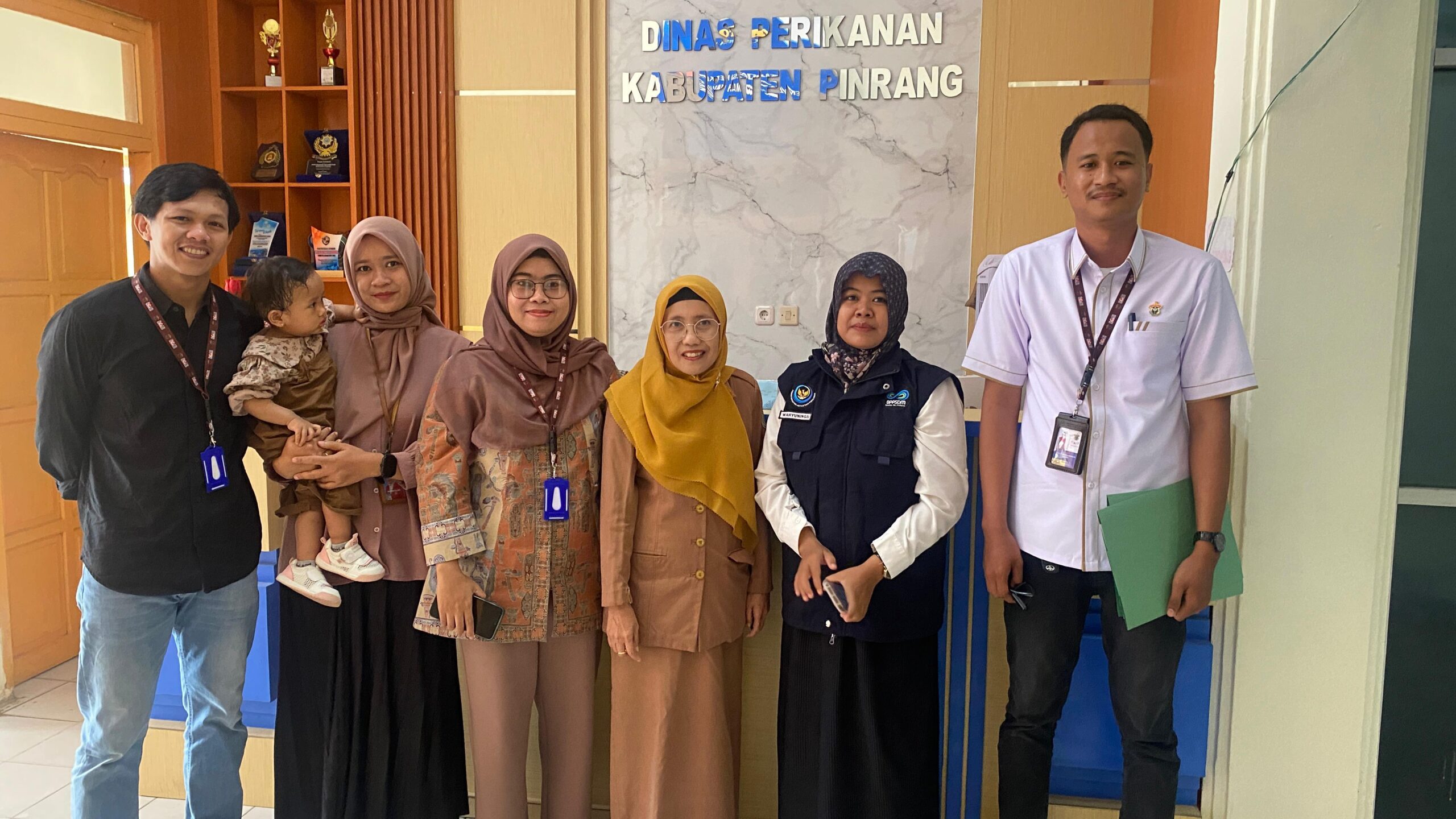
Pinrang, South Sulawesi — The PAIR Program conducted a visit to the Marine and Fisheries Office of Pinrang Regency, South Sulawesi, on December 23 2025. The activity aimed to gather information through discussions and interviews concerning local government policies and seaweed farming practices as important components of marine and fisheries development. Six participants took part in the activity, creating an opportunity for knowledge exchange between the PAIR Program team and local stakeholders. Pinrang Regency has considerable coastal and marine resources that can support local economic development. In this context, seaweed represents an economically valuable commodity with significant potential for sustainable development. Understanding local policies, governance arrangements, production conditions, and the challenges faced by seaweed farmers is therefore important for developing programs that are responsive to local conditions and community needs.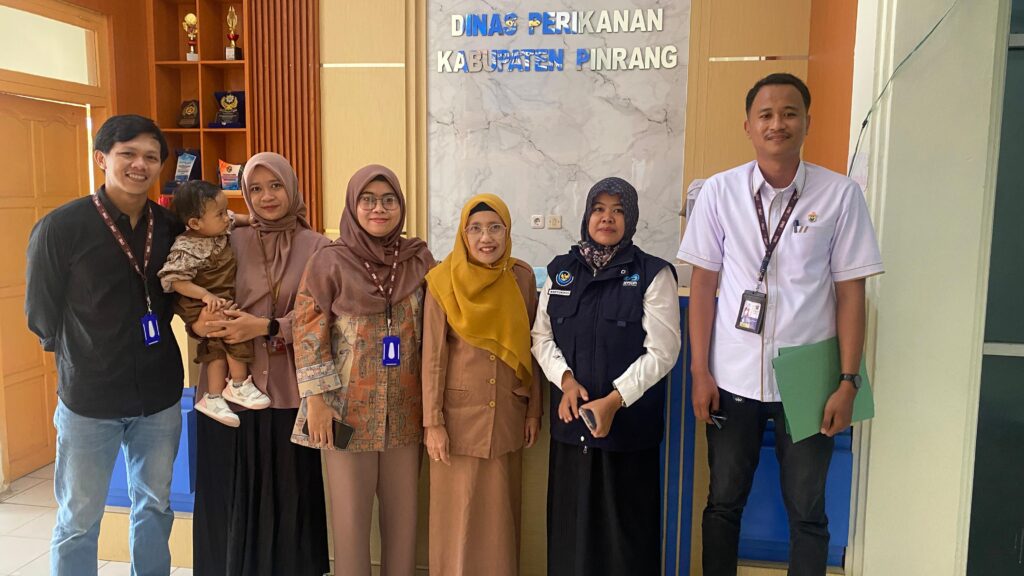 Through discussions and interviews with the Marine and Fisheries Office, participants gained insights into how local policies are translated into programs and activities related to seaweed farming. The discussions also addressed factors influencing the sustainability of seaweed farming activities, including farmers’ conditions, resource management, institutional support, and opportunities for further commodity development. These insights provide an important basis for understanding the relationship between government policy, production activities, and the livelihoods of coastal communities. The activity is directly connected to SDG 1 (No Poverty) through its focus on understanding the seaweed sector as an important source of economic activity for coastal communities. Productive and sustainable seaweed farming can contribute to improved household income and stronger livelihood resilience. Understanding the opportunities and constraints within this sector is therefore important for supporting more inclusive local economic development. In terms of knowledge and capacity development, the activity supports SDG 4 (Quality Education). The discussions and interviews served as a field-based learning process, allowing participants to connect academic knowledge with practical perspectives from local government and community-level conditions. Such knowledge exchange is essential for developing a more contextual understanding of marine resource management and sustainable aquaculture practices. The visit also contributes to SDG 14 (Life Below Water) by promoting attention to the sustainable utilization of marine resources through responsible seaweed farming practices. Appropriate management of aquaculture activities is essential to ensure that economic benefits can be generated while maintaining the environmental quality and ecological functions of coastal and marine ecosystems. Furthermore, the activity supports SDG 17 (Partnerships for the Goals) by strengthening interaction between the PAIR Program and local government. Cross-institutional partnerships and communication are essential for connecting scientific knowledge, public policy, and community needs in pursuit of sustainable marine development. Ultimately, the PAIR Program visit served as an important platform for strengthening communication, gathering field-based information, and creating opportunities for collaboration on seaweed policy and farming development. By integrating economic, knowledge, institutional, and environmental perspectives, the activity is expected to contribute to a more inclusive and sustainable seaweed sector in Pinrang Regency.