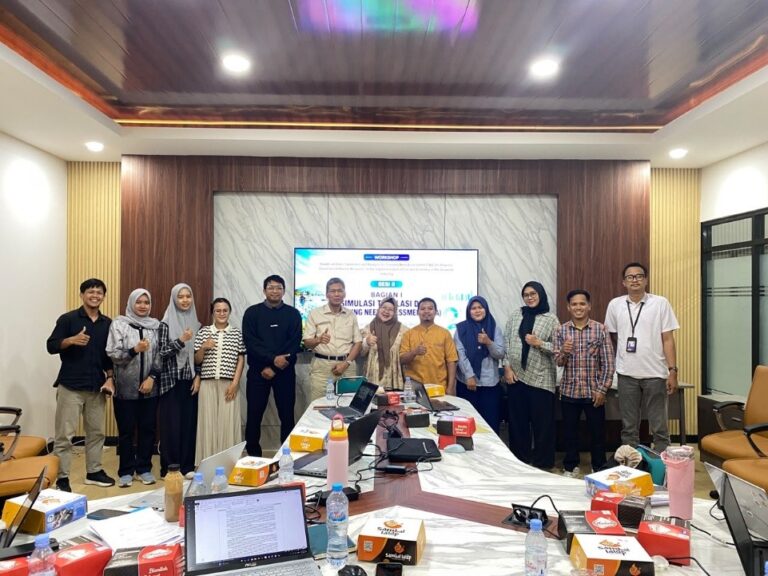
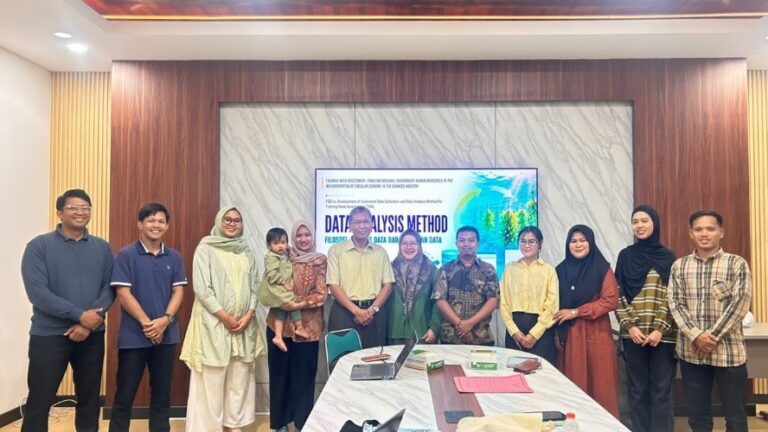
Pangkep, Indonesia — A PAIR Program visit to the Statistics Indonesia (BPS) office in Pangkep Regency was conducted on 22 December 2025 as part of a series of discussions and interviews aimed at gaining a deeper understanding of policies, institutional roles, and inter-agency linkages in supporting community empowerment, particularly in the seaweed farming sector. The activity involved five participants and provided an opportunity for knowledge exchange on the importance of data in understanding the social, economic, and development conditions of coastal communities. Data represents one of the essential foundations for designing effective and targeted development strategies. In the context of coastal communities and seaweed development, information on socioeconomic conditions, community characteristics, economic activities, and regional dynamics can help provide a clearer picture of local needs and challenges. Therefore, the visit to BPS formed an important part of efforts to understand how statistical information can support development planning, evaluation, and decision-making.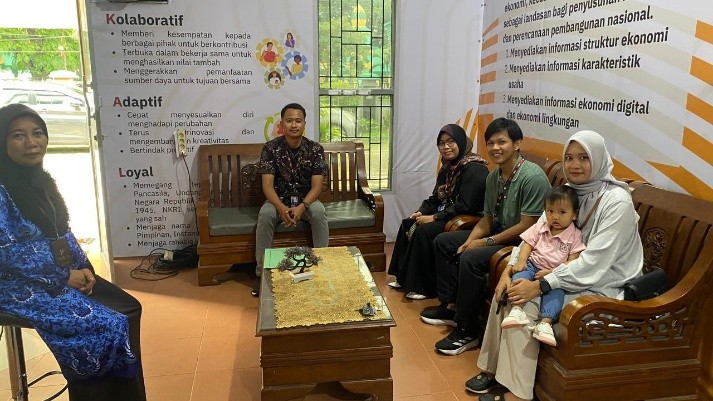 Through discussions and interviews, participants explored perspectives on the availability and utilization of data that can contribute to a better understanding of community conditions and regional development. The exchange also highlighted that community empowerment requires accurate and relevant information. Data should not be viewed merely as numbers in reports; it can serve as a basis for identifying needs, observing changes in community conditions, and developing more contextual development interventions. The activity was closely related to SDG 1 (No Poverty) because socioeconomic data can help provide a clearer understanding of living conditions and support development planning aimed at improving community welfare. Reliable information can contribute to identifying groups and areas requiring greater attention, including communities whose livelihoods depend on coastal resources.The activity also supported SDG 4 (Quality Education) through data-based learning and knowledge exchange between the PAIR Program participants and the statistical institution. Understanding the importance of data strengthens the ability to assess community conditions objectively and use information as a foundation for learning and policy development.From an environmental perspective, the activity was relevant to SDG 14 (Life Below Water). Data related to coastal areas and community activities that depend on marine resources can contribute to a better understanding of the relationship between economic development and the sustainability of coastal and marine ecosystems. Furthermore, the visit contributed to SDG 17 (Partnerships for the Goals) by strengthening communication and knowledge exchange between the PAIR Program and BPS Pangkep. Cross-institutional collaboration is essential for connecting data, research, policy, and community needs within a shared development framework.
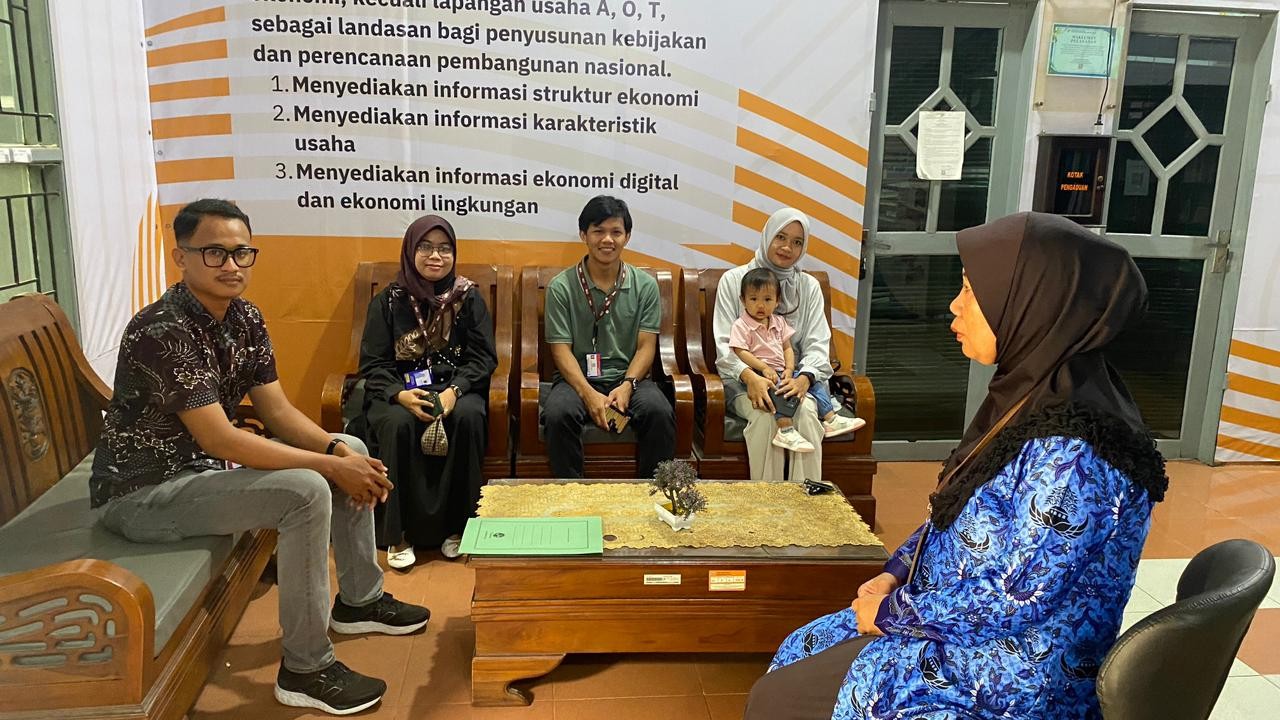 Overall, the visit emphasized the strategic role of data in developing more targeted community empowerment policies. By connecting statistical information, academic knowledge, policy perspectives, and field conditions, the development of the seaweed sector can be directed not only toward strengthening economic activities but also toward improving community welfare and promoting the long-term sustainability of coastal areas.