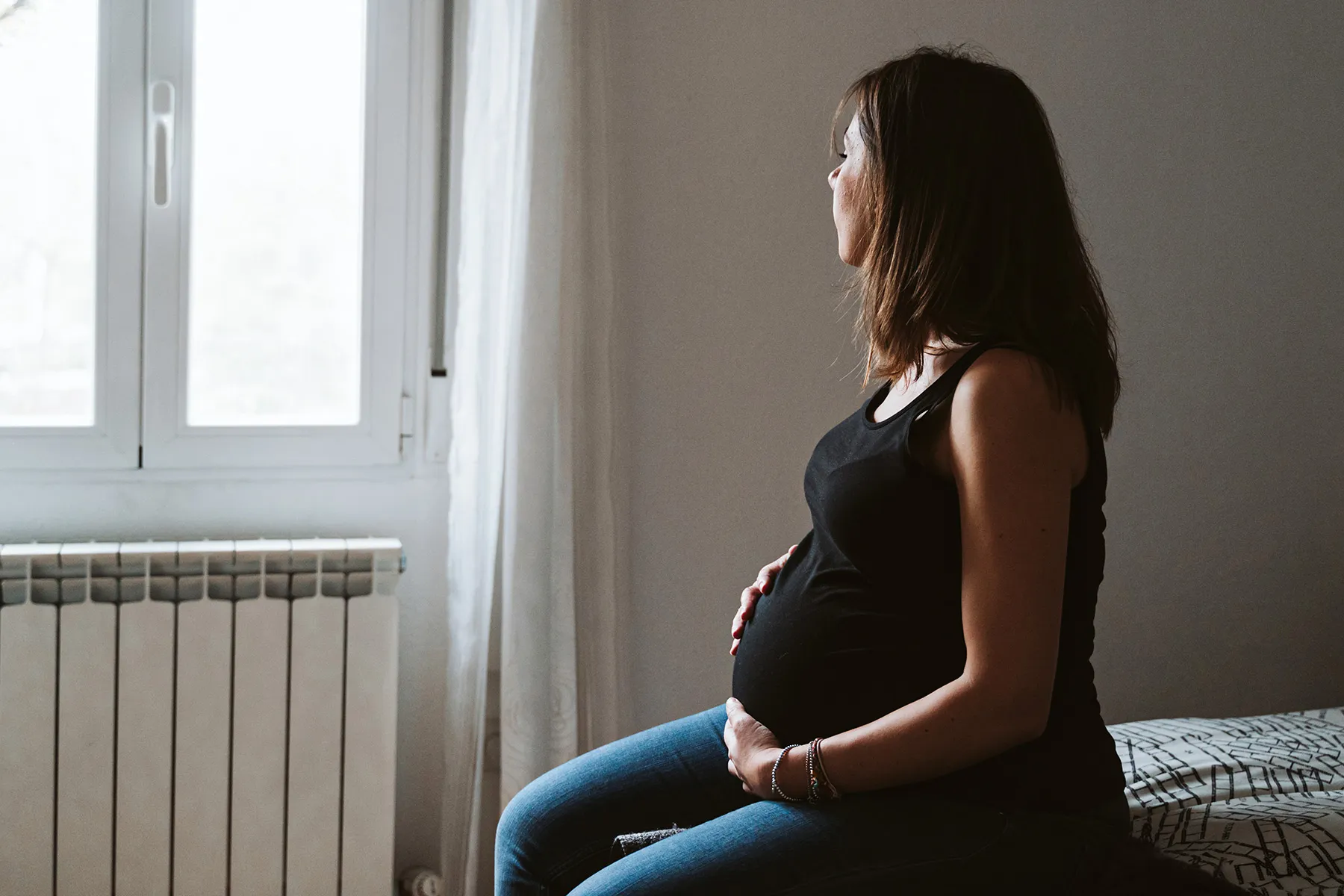

Pregnancy is a time of excitement, but it also brings greater nutritional demands. One important challenge is iron deficiency, which can lead to anemia and put both mothers and babies at risk. In Indonesia, anemia among pregnant women remains a serious public health concern. So, could something as simple as an educational video help mothers protect themselves during pregnancy?
A recent study in Makassar explored this question by examining whether video-based health education could improve pregnant women’s knowledge and compliance with taking iron, or Fe, tablets.
The study involved 64 pregnant women who visited the Dahlia and Pertiwi Health Centers in Makassar City. They were divided into two groups of 32. The intervention group received health education through an educational video, while the control group received education from health workers. The intervention lasted three months, during which participants were expected to consume 90 blood-supplement tablets.
The results were encouraging. In the video group, knowledge about Fe tablets increased among 100% of participants. In comparison, knowledge increased among 90.6% of women in the control group. The researchers also found that compliance with taking Fe tablets improved in the video group. Compliance increased by 59.4%, compared with 56.2% in the control group.
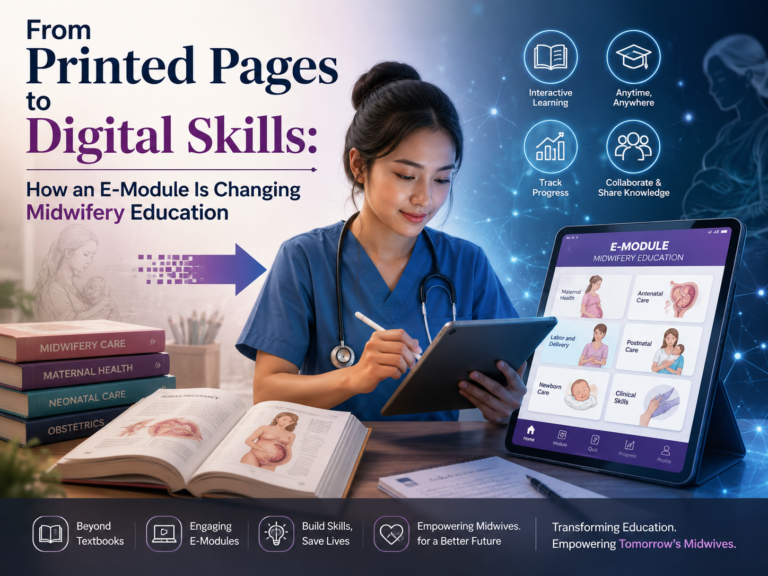
Why might a video be useful? Unlike written information alone, video can combine moving images, sound, and visual explanations. This can make health messages easier to understand and remember. The researchers argue that audiovisual education can clarify information, reduce misunderstanding, and attract attention.
However, education is not a magic solution. Some women still found it difficult to take Fe tablets regularly. Forgetting, nausea, and concerns about side effects were among the reasons for non-compliance. This means that information needs to be combined with continued support and reminders from health workers.
The study offers a simple but important lesson: improving health does not always require complicated technology. A well-designed educational video delivered through a familiar digital device may help transform medical information into something people can understand and act upon.
This research directly supports SDG 3: Good Health and Well-Being, particularly efforts to improve maternal health. Helping pregnant women understand why iron supplementation matters—and supporting them in taking it consistently—can contribute to healthier pregnancies.
The message is clear: sometimes, better health begins with better communication. A short video may not replace professional healthcare, but it can become a powerful bridge between health information and everyday behavior.
Article Metadata
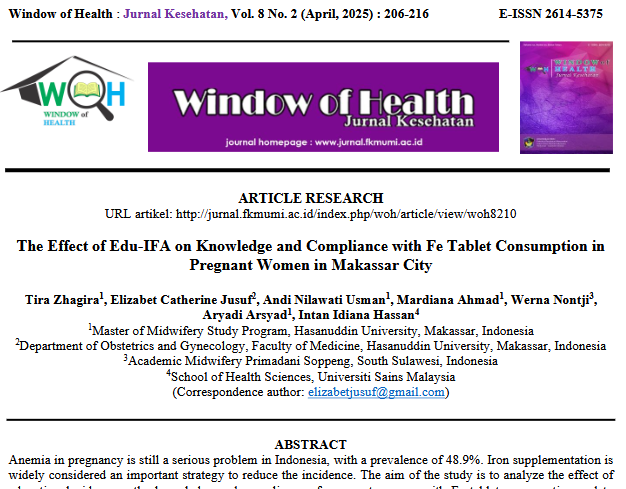
Article title: The Effect of Edu-IFA on Knowledge and Compliance with Fe Tablet Consumption in Pregnant Women in Makassar City
Journal: Window of Health: Jurnal Kesehatan 2025;8(2):206–216
Publisher: Fakultas Kesehatan Masyarakat, Universitas Muslim Indonesia
Publication date: 28 April 2025
DOI: https://doi.org/10.33096/woh.v8i2.1533
Authors: Tira Zhagira; Elizabet Catherine Jusuf; Andi Nilawati Usman; Mardiana Ahmad; Werna Nontji; Aryadi Arsyad; Intan Idiana Hassan
Aryadi Asryad
Email: aryadi.arsyad@med.unhas.ac.id