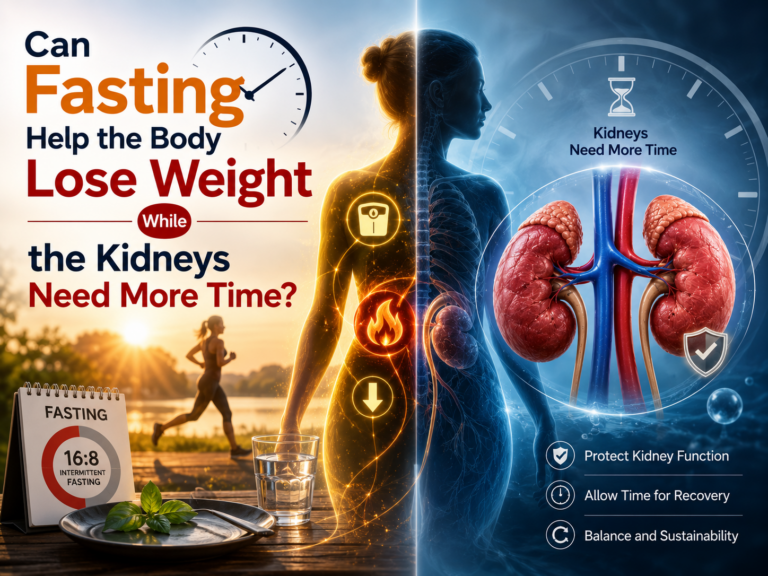

The kidneys are among the body’s hardest-working organs. Every day, they filter waste from the blood, control fluid balance, and help maintain the body’s internal environment. But sometimes, medicines that are helpful on their own can become risky when used together. One example is the so-called “triple whammy,” a combination that can increase the risk of acute kidney injury (AKI).
The triple whammy involves three types of medicines: a RAAS inhibitor, a non-steroidal anti-inflammatory drug (NSAID), and a diuretic. Together, they can interfere with the kidney’s normal regulation of blood flow. The danger may be greater for people who are dehydrated, have existing kidney problems, or have other health conditions.
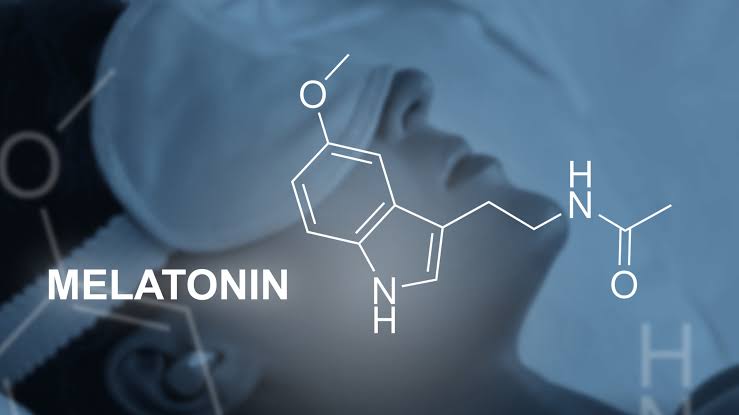
A recent study by researchers from Hasanuddin University explored whether melatonin could help protect the kidneys from this type of injury. Melatonin is widely known as a hormone that helps regulate the sleep-wake cycle. However, researchers are increasingly interested in its antioxidant and anti-inflammatory properties.
To investigate this possibility, the researchers used 30 male Wistar rats. The animals were divided into six groups and received different treatments, including three different doses of melatonin. The researchers then examined blood and urine markers, kidney tissue, antioxidant activity, and molecular interactions.
The findings were encouraging, particularly at the highest dose tested. Rats treated with 1.5 mg/kg of melatonin showed substantially better kidney function than rats exposed to the triple whammy without protective treatment. Their creatinine and urea levels decreased, while urinary protein—an indicator of kidney damage—fell to levels close to those of healthy animals. Microscopic examination also showed that kidney structures were better preserved.
The researchers found another interesting clue in laboratory testing. Melatonin demonstrated strong antioxidant activity, with an IC₅₀ value of 3.19 µg/mL, which was similar to N-acetylcysteine (NAC), a known antioxidant. Computer simulations also suggested that melatonin could interact with NF-κB and caspase-3, proteins associated with inflammation and programmed cell death.
These findings support SDG 3: Good Health and Well-Being, particularly the broader goal of improving health and making medical treatment safer. Preventing drug-related kidney injury could help reduce avoidable complications and support better health outcomes.
However, the findings should not be interpreted as proof that people should take melatonin to protect their kidneys. The study was conducted in rats, involved a relatively small sample, and lasted only a short period. The researchers also emphasized that further studies are needed before melatonin can be considered for clinical use.
For the public, the study offers an important reminder: medicines can interact in unexpected ways when combined. Patients should inform healthcare professionals about all medicines and supplements they are taking. Melatonin may eventually become part of strategies for protecting the kidneys, but for now, it remains a promising research possibility—not a proven treatment.
Article Metadata
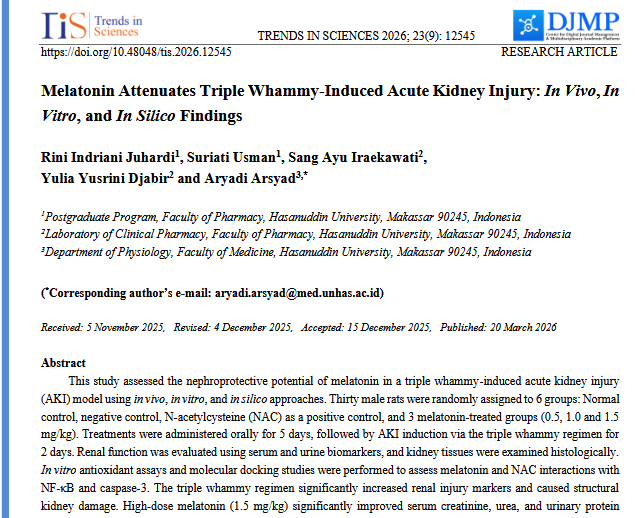
Article title: Melatonin Attenuates Triple Whammy-Induced Acute Kidney Injury: In Vivo, In Vitro, and In Silico Findings
Journal: Trends in Sciences 2026;23(9):12545
Publisher: Trends in Sciences, Thailand
Publication date: 20 March 2026
DOI: https://doi.org/10.48048/tis.2026.12545
Authors: Rini Indriani Juhardi; Suriati Usman; Sang Ayu Iraekawati; Yulia Yusrini Djabir; Aryadi Arsyad
Aryadi Asryad
Email: aryadi.arsyad@med.unhas.ac.id