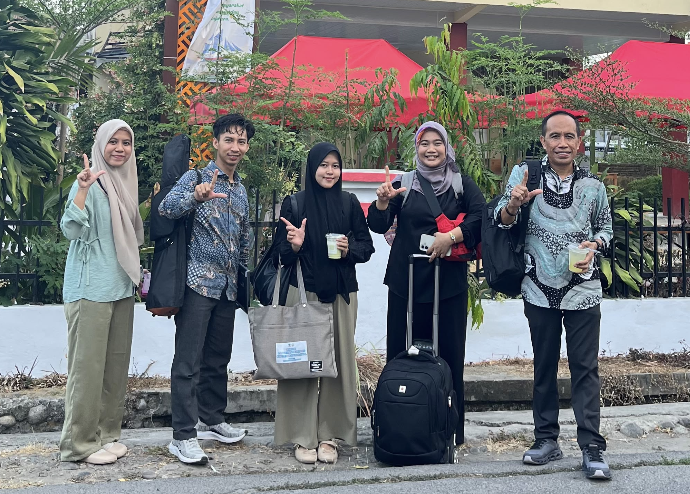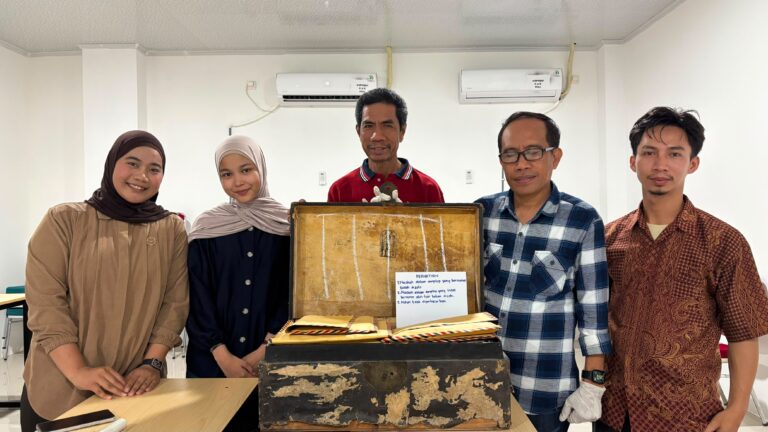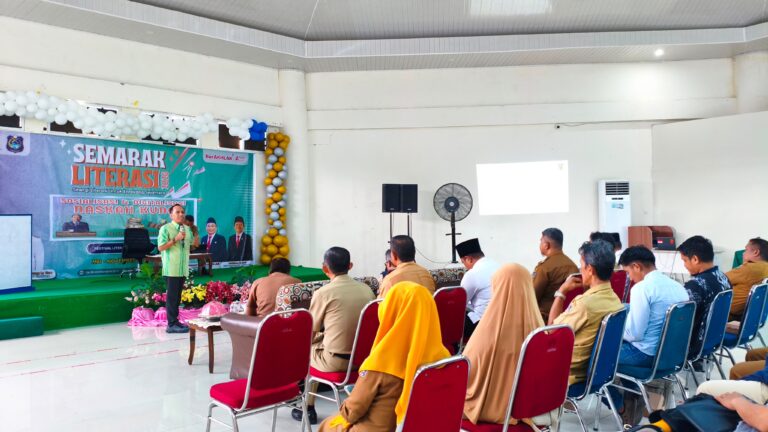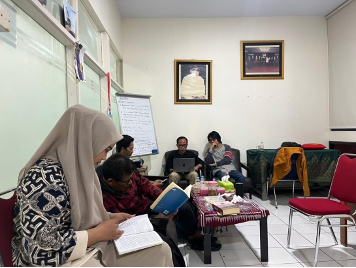

Makassar, South Sulawesi, Indonesia – On December 5, 2025, a collaborative editorial meeting between researchers from Hasanuddin University (UNHAS) and the National Research and Innovation Agency (BRIN) was held at the Institute for Research and Community Service (LPPM), Hasanuddin University. This activity marked a significant step toward the development of the scholarly book “Tombs of Kings and Aristocrats in Makassar City.” The meeting was designed to facilitate in-depth discussion, consolidate research data, and critically review the progress of the manuscript.
The session involved six participants, bringing together expertise from both academic and national research institutions. The interdisciplinary nature of the team enabled a comprehensive evaluation of the book’s structure, methodological approaches, and the integration of historical sources. Participants engaged in a dynamic exchange of ideas, focusing on ensuring that the manuscript reflects both scientific rigor and readability for a broader audience.
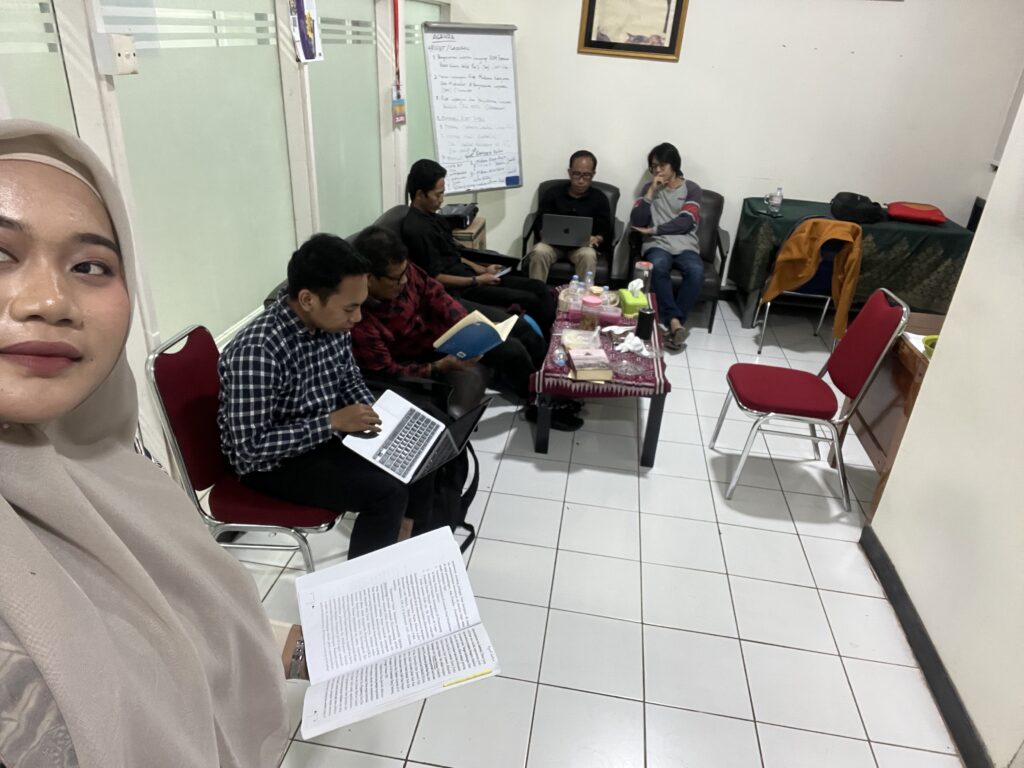
One of the primary objectives of the meeting was data consolidation. Researchers reviewed field findings, archival materials, and previous studies related to royal and aristocratic burial sites in Makassar. This process aimed to harmonize diverse data sources into a coherent narrative framework. Particular attention was given to verifying the authenticity of historical records, refining interpretations, and ensuring consistency across chapters. The team also discussed the organization of visual documentation, such as photographs and site maps, to enhance the overall quality of the publication.
In addition to data consolidation, the editorial team conducted a thorough review of the writing progress. Each section of the manuscript was examined in terms of clarity, academic contribution, and alignment with the book’s central theme. Constructive feedback was provided to improve the narrative flow and strengthen analytical depth. This iterative review process is essential in producing a publication that not only contributes to academic discourse but is also accessible to policymakers, cultural practitioners, and the general public.
This activity is closely aligned with several Sustainable Development Goals (SDGs), particularly SDG 4: Quality Education, SDG 1: No Poverty, and SDG 17: Partnerships for the Goals, with additional relevance to SDG 15: Life on Land. By producing a well-researched and accessible book, the initiative supports SDG 4 through the dissemination of knowledge related to cultural heritage and history. The documentation of heritage sites can also contribute to SDG 1 by opening opportunities for sustainable cultural tourism and community-based economic activities. Furthermore, the collaboration between UNHAS and BRIN exemplifies SDG 17, emphasizing the importance of partnerships in advancing research and knowledge production. The focus on preserving historical burial sites also relates to SDG 15, highlighting the need to protect and sustainably manage cultural landscapes.
The meeting concluded with a clear set of action points, including timelines for revisions, responsibilities for each contributor, and strategies for finalizing the manuscript. This collaborative effort demonstrates the critical role of interdisciplinary teamwork in producing high-quality academic publications.
Overall, the editorial review activity reflects a strong commitment to cultural preservation, academic excellence, and sustainable development. It underscores the importance of collaboration in transforming research into meaningful outputs that benefit both the scholarly community and society at large.