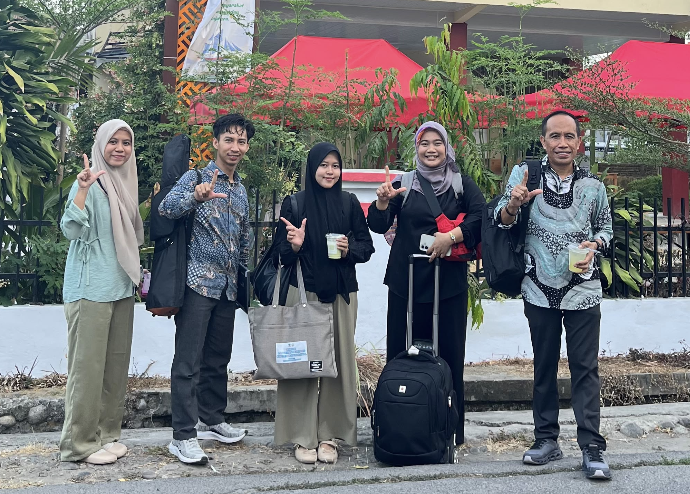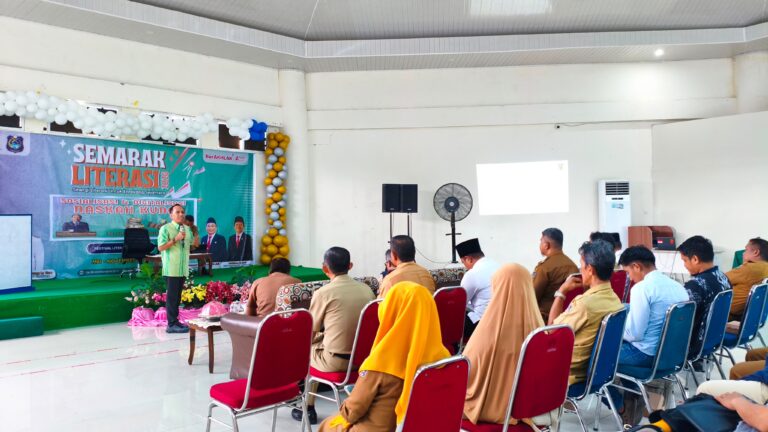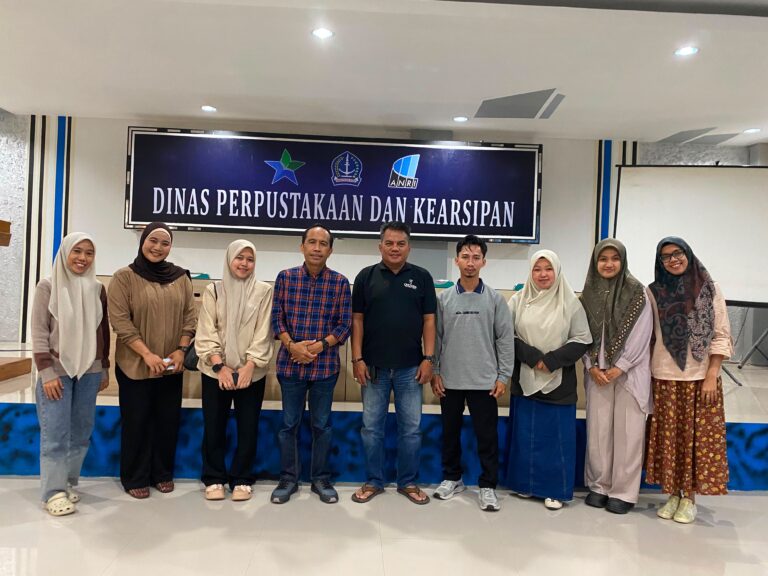

Sinjai, South Sulawesi, Indonesia- The Identification, Registration, and Digitization of Ancient Manuscripts in Sinjai was conducted on 16–17 July 2026 at Library and Archives Agency of Sinjai Regency, as part of a collaborative effort to safeguard Indonesia’s documentary heritage. The activity aimed to identify, register, document, and digitize ancient manuscripts that hold significant historical, linguistic, cultural, and intellectual value. By preserving these manuscripts in digital form, the program ensures that valuable knowledge contained within them remains protected from physical deterioration while becoming more accessible for future research, education, and public appreciation. The program directly supports Sustainable Development Goal (SDG) 4: Quality Education, SDG 1: No Poverty, and SDG 17: Partnerships for the Goals by strengthening access to knowledge, promoting cultural sustainability, and fostering institutional collaboration.
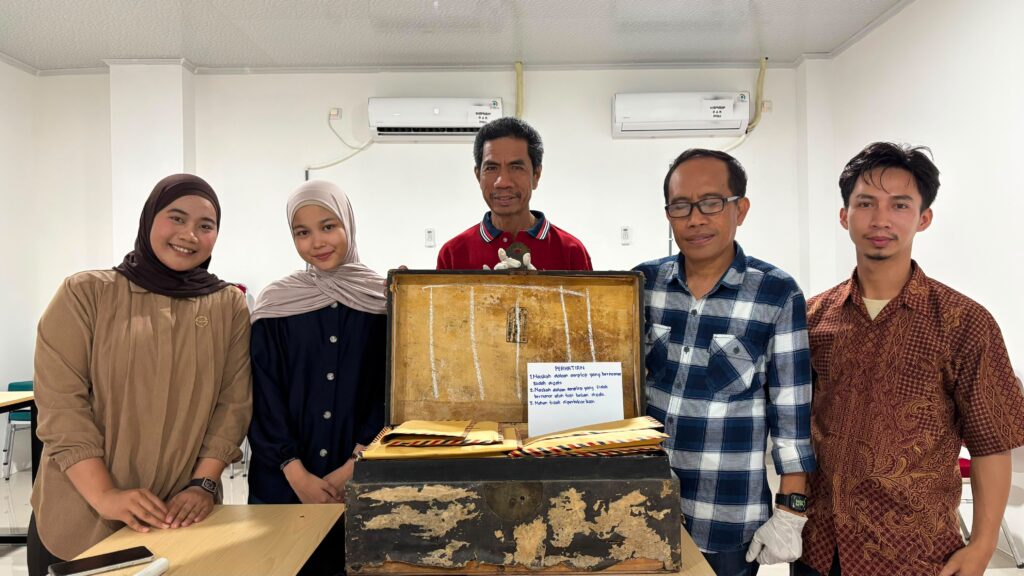
Ancient manuscripts represent irreplaceable records of local wisdom, historical memory, traditional governance, religious teachings, customary laws, and linguistic development. However, many of these collections face serious threats caused by aging materials, environmental conditions, inadequate storage, and limited public awareness regarding their importance. Recognizing these challenges, the program emphasized systematic documentation and digital preservation as practical strategies to secure the long-term survival of these cultural resources while creating opportunities for broader scholarly and community engagement.
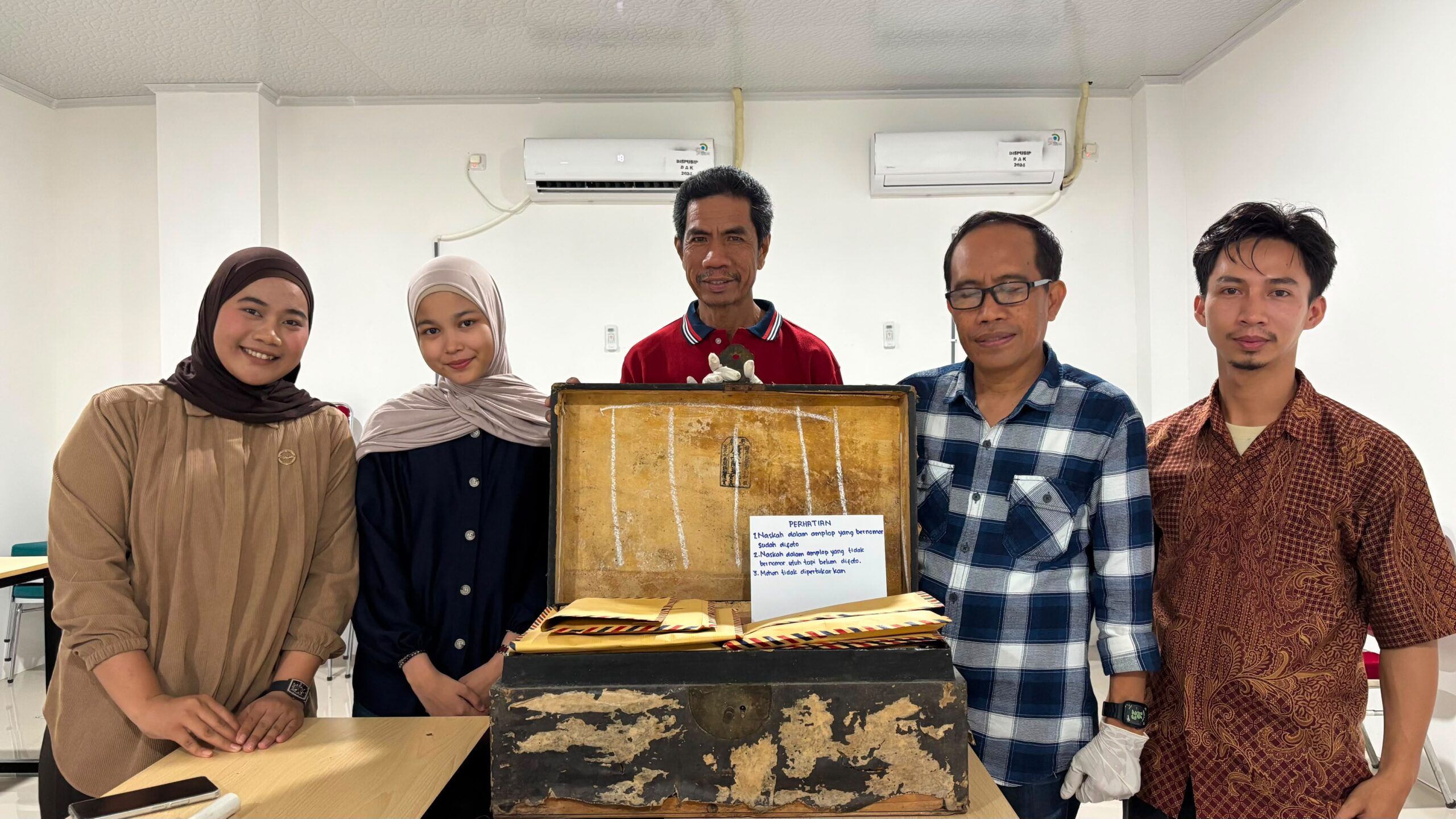
Throughout the two-day activity, the team conducted field identification to locate manuscript collections preserved by local custodians and community members. Each manuscript underwent an inventory and registration process, during which essential descriptive information—including ownership, physical condition, script, language, estimated age, and thematic content—was carefully recorded. Following documentation, selected manuscripts were digitized using appropriate imaging techniques to produce high-quality digital copies while minimizing physical handling of the original materials. This process not only safeguards fragile manuscripts but also establishes a sustainable digital archive that supports preservation, research, and educational dissemination.
The activity involved 30 participants, including researchers, cultural heritage practitioners, and documentation specialists. The program was carried out by Prof. Dr. Muhlis Hadrawi, S.S., M.Hum., Nur Syam, S.S., M.Hum., Nur Amaliah Ramadani, S.S., and Amelinda Febrianti, whose combined expertise contributed to the successful implementation of documentation and digitization activities. Their collaboration demonstrated the importance of interdisciplinary cooperation in preserving Indonesia’s manuscript heritage while strengthening partnerships among academic institutions, local communities, and cultural stakeholders.
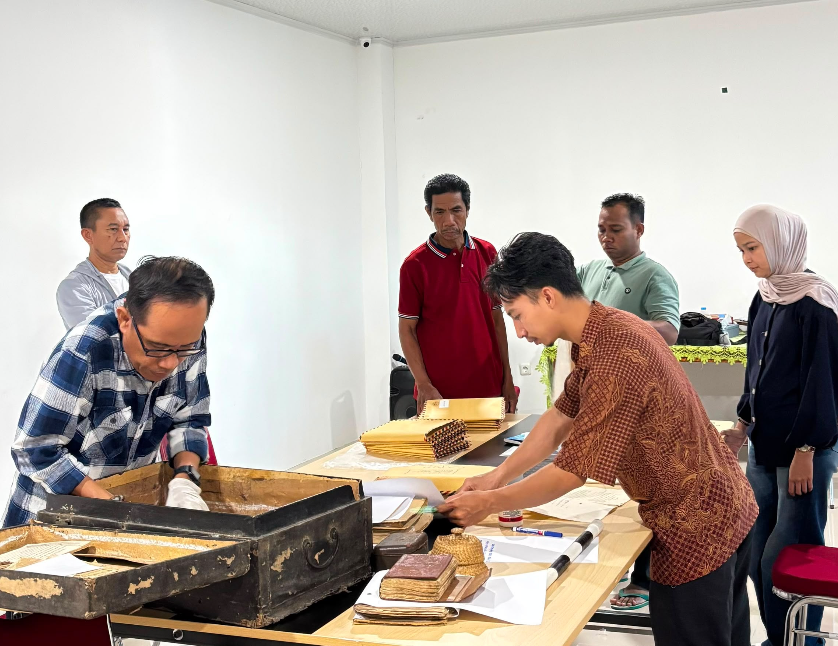
Beyond technical preservation, the initiative also encouraged greater public awareness of the importance of manuscript conservation as part of national cultural identity. Digital preservation expands opportunities for students, educators, researchers, and the wider public to study and appreciate historical manuscripts without exposing the original materials to unnecessary risks. In this way, cultural heritage becomes a living educational resource capable of inspiring future generations and supporting inclusive learning opportunities.
Overall, the Identification, Registration, and Digitization of Ancient Manuscripts in Sinjai represents a meaningful contribution to sustainable cultural preservation through documentation, digital innovation, and collaborative engagement. By explicitly advancing SDG 4 (Quality Education) through improved access to educational resources, SDG 1 (No Poverty) by strengthening cultural assets that can support community-based cultural development, and SDG 17 (Partnerships for the Goals) through cooperation among universities, researchers, and local communities, the program highlights how heritage preservation can contribute to sustainable development while ensuring that invaluable historical knowledge remains available for present and future generations.