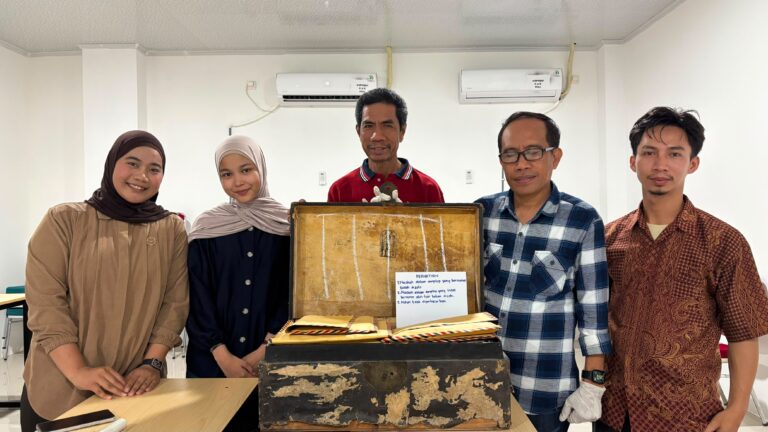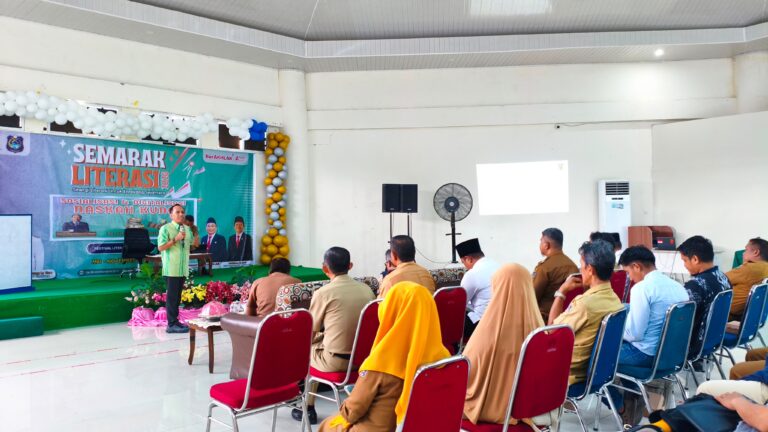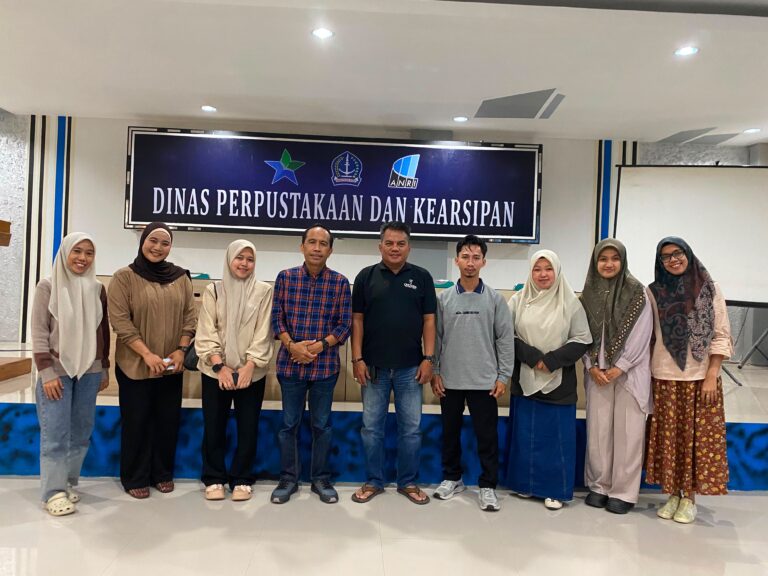

Bulukumba, South Sulawesi, Indonesia – The TRG Manuscript and Culture of the Institute for Research and Community Service (LPPM), Hasanuddin University (UNHAS), conducted a socialization and ancient manuscript digitalization activity at the Regional Library and Archives Office of Bulukumba on October 27, 2026. The activity brought together 30 participants, including local manuscript owners, the Head of the Regional Library and Archives Office and its staff, and senior high school students. It aimed to raise public awareness of the importance of preserving historical manuscripts while introducing digital technology as a practical tool for protecting and promoting cultural heritage.
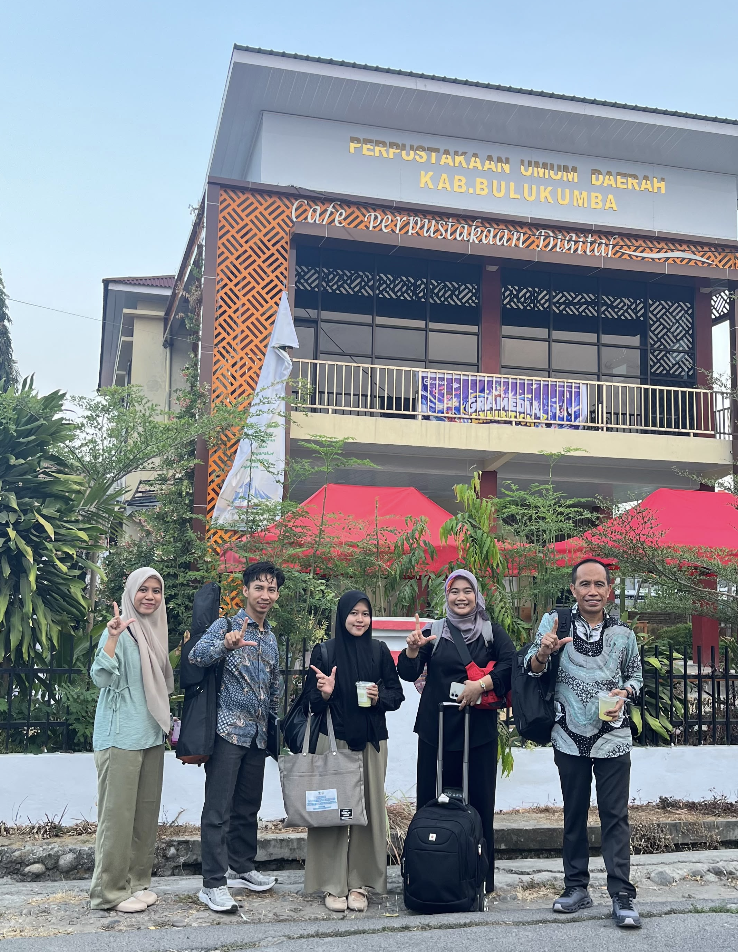
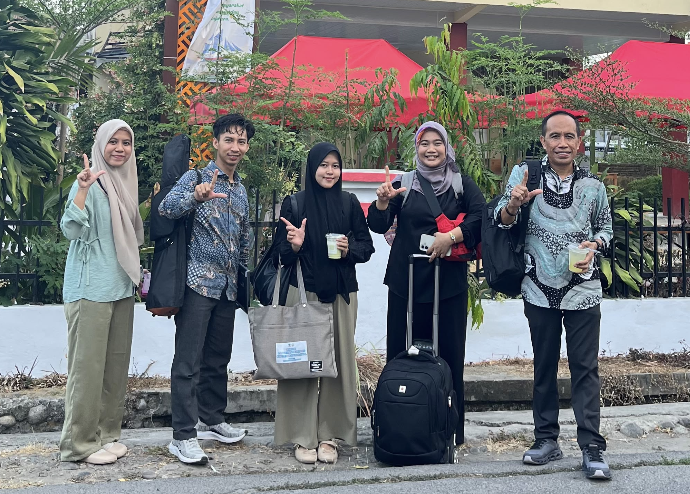
The digitalization team was led by Prof. Dr. Muhlis Hadrawi, S.S., M.Hum., Chair of TRG Manuscript and Culture, together with team members Nursyam, S.S., M.Hum., Nur Amaliah Ramadani, S.S., and Tanaya Ratu Liu, who contributed their expertise to the preservation, documentation, and digitalization of ancient manuscripts.
Ancient manuscripts are valuable sources of historical information, traditional knowledge, language, and local wisdom passed down through generations. However, many manuscripts are vulnerable to deterioration due to aging materials, environmental conditions, and frequent physical handling. Without appropriate preservation measures, these documents may suffer irreversible damage, resulting in the loss of valuable cultural knowledge. Digitalization offers a sustainable approach to addressing these challenges by creating digital copies that can be stored, studied, and accessed without repeatedly handling the original manuscripts.
The socialization session was conducted through several discussion sessions from 9:00 a.m. to 1:00 p.m., providing opportunities for participants to exchange knowledge and discuss the significance of manuscript preservation. Meanwhile, the digitalization process took place from 10:00 a.m. to 4:00 p.m. These activities encouraged collaboration between the research team, local communities, and regional library personnel in safeguarding historical documents and strengthening public understanding of cultural heritage.
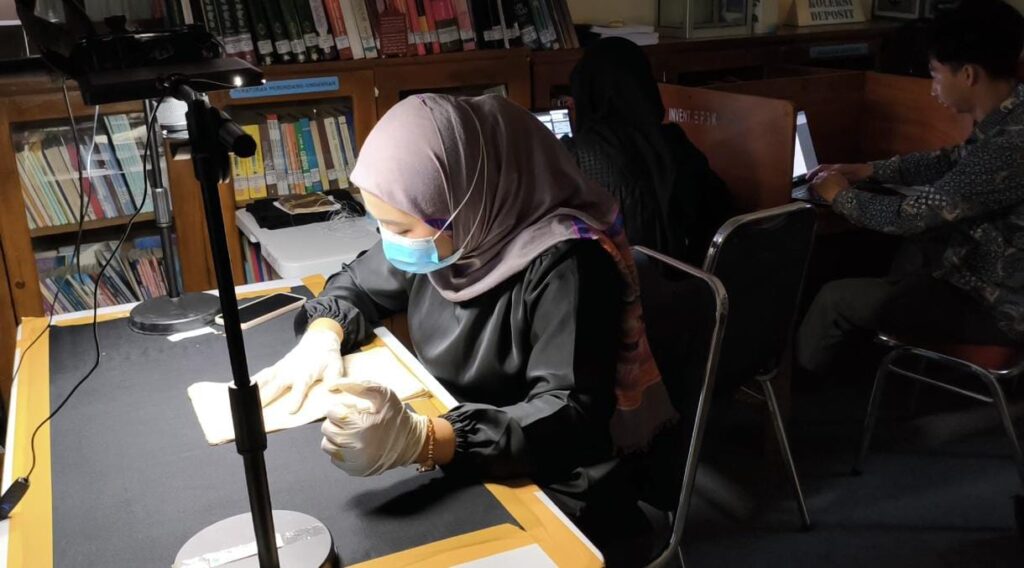
The technical process involved several stages, beginning with manuscript inventory and condition assessment, followed by light conservation measures to minimize further deterioration. The manuscripts were then scanned at high resolution to produce digital images. Image processing was applied where necessary to improve the legibility of handwritten texts. Additional activities included creating descriptive metadata, transliteration, and translation to support future research and broader public understanding. The resulting digital files were intended to be securely stored and made accessible to the public through a digital repository, subject to appropriate preservation, access, and ownership considerations.
This initiative contributes to Sustainable Development Goal (SDG) 4: Quality Education by expanding opportunities for students, researchers, and the public to learn from historical sources. It also supports SDG 1: No Poverty, particularly through the potential of cultural knowledge to strengthen community-based educational and cultural initiatives that may create opportunities for local development. Furthermore, SDG 17: Partnerships for the Goals is reflected in the collaboration among Hasanuddin University, regional government institutions, manuscript owners, and students. The activity also relates to SDG 3: Good Health and Well-being by recognizing the importance of cultural identity, community engagement, and intergenerational knowledge in supporting social well-being.
Through this collaborative initiative, TRG Manuscript and Culture LPPM UNHAS seeks to encourage sustainable manuscript preservation and promote the use of digital technology in protecting Indonesia’s cultural heritage. The activity highlights the importance of combining community participation, academic expertise, and institutional cooperation to ensure that historical knowledge remains accessible and meaningful for future generations.