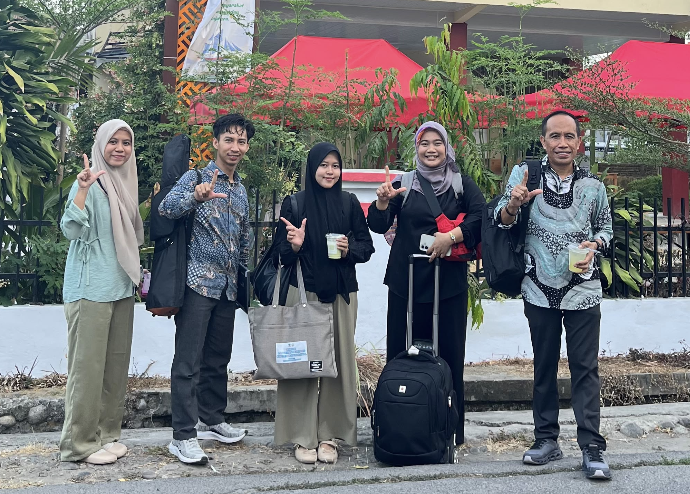
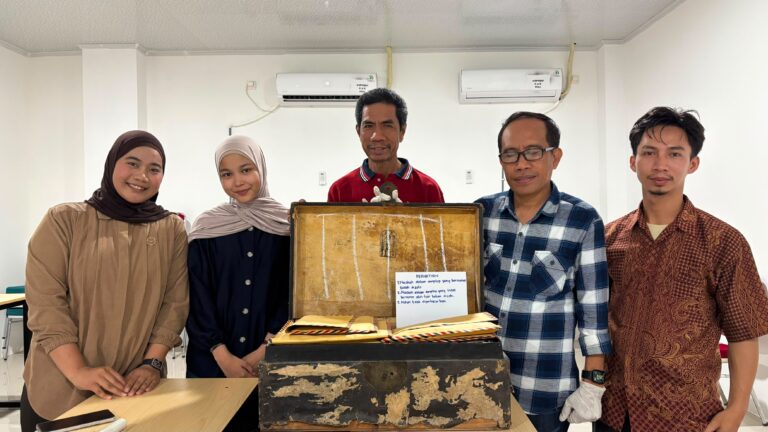
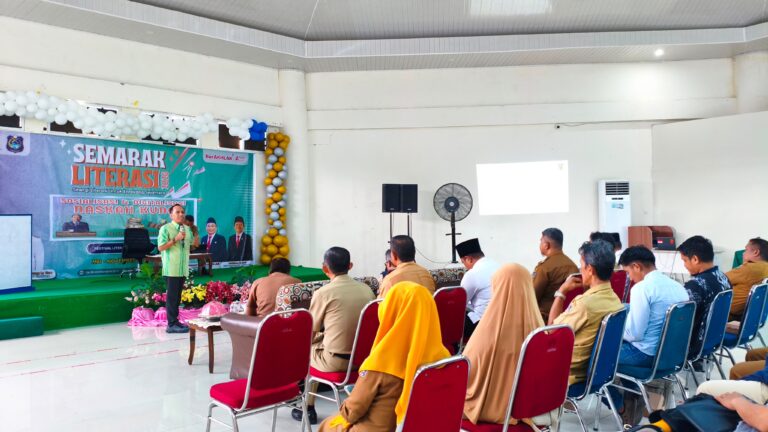
Enrekang, South Sulawesi, Indonesia – On November 18, 2025, the Regency of Enrekang hosted an important cultural and academic event titled “Ancient Manuscript Seminar Featuring Prof. Muhlis Hadrawi” at the Hall of the Department of Library and Archives of Enrekang Regency. The seminar aimed to promote the socialization and inventory of ancient manuscripts, which are considered vital sources of historical knowledge and cultural identity within the region.
The event brought together approximately 50 participants, including cultural figures, local community members, and stakeholders interested in heritage preservation. The presence of Prof. Muhlis Hadrawi, a distinguished scholar in manuscript studies, added significant academic value to the seminar. His expertise provided participants with deeper insights into the importance of ancient manuscripts as repositories of knowledge, reflecting the intellectual traditions and social dynamics of past societies.
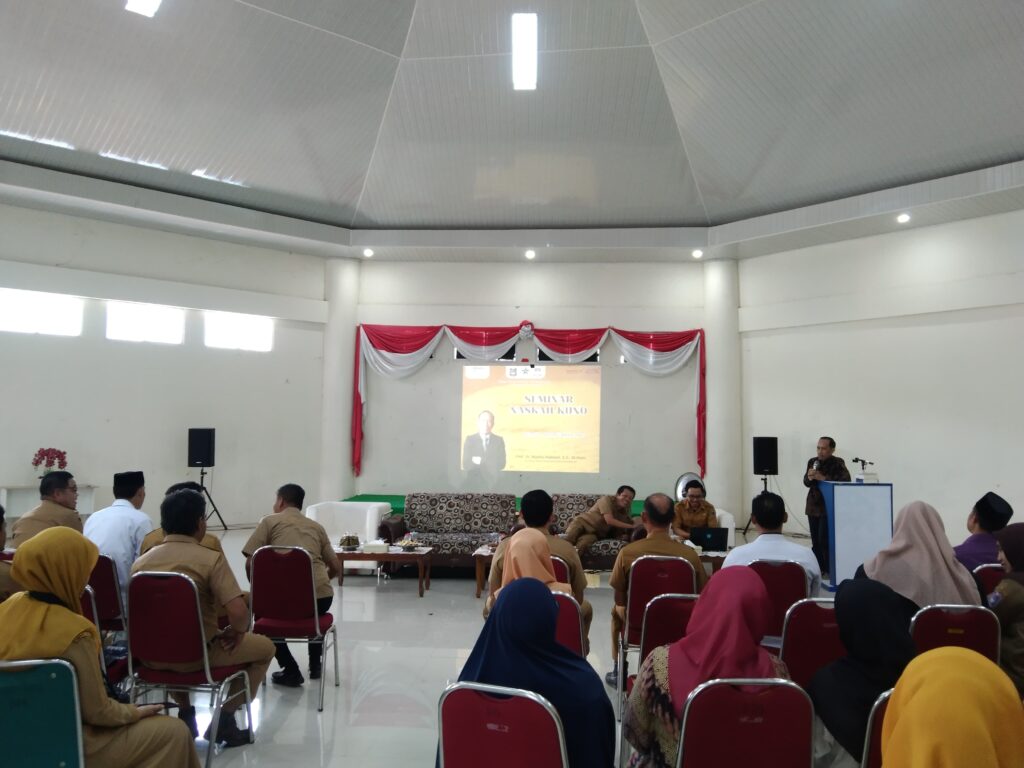
The primary objective of the seminar was to encourage public awareness regarding the existence and importance of ancient manuscripts in Enrekang. Many of these manuscripts remain undocumented and are often stored privately by families or community elders. Through this activity, participants were introduced to systematic methods of identifying, documenting, and preserving manuscripts, including basic principles of conservation and cataloging. This initiative is crucial in preventing the loss or deterioration of valuable cultural materials.
In addition to knowledge dissemination, the seminar also served as a platform for inventory mapping. Participants were invited to share information about manuscripts in their possession or within their communities. This participatory approach allowed researchers and local authorities to begin compiling a preliminary database of manuscript collections in the region. Such efforts are essential for future research, preservation programs, and potential digitization initiatives.
This activity is closely aligned with several Sustainable Development Goals (SDGs), particularly SDG 4: Quality Education, SDG 1: No Poverty, and SDG 17: Partnerships for the Goals, and is also relevant to SDG 15: Life on Land. By promoting knowledge of ancient manuscripts, the seminar supports SDG 4 by enhancing educational resources and cultural literacy. The preservation and promotion of cultural heritage can also contribute to SDG 1 by opening opportunities for community-based cultural tourism and creative industries, thereby supporting local livelihoods. Furthermore, the collaboration between government institutions, scholars, and the community reflects SDG 17, emphasizing the importance of partnerships in safeguarding cultural heritage. The protection of manuscripts, often made from natural materials, also aligns with SDG 15 by highlighting sustainable practices for preserving terrestrial cultural resources.
The seminar concluded with a shared commitment among participants to actively engage in the preservation of ancient manuscripts. Local authorities expressed their intention to continue supporting similar initiatives, including follow-up programs for documentation and conservation.
Overall, this seminar represents a meaningful step toward strengthening cultural awareness and heritage preservation in Enrekang. It demonstrates how academic expertise, community participation, and institutional support can work together to protect and revitalize valuable historical resources for future generations.