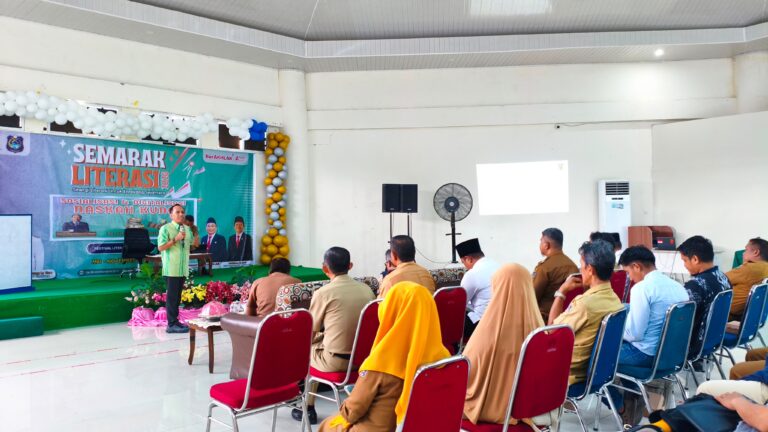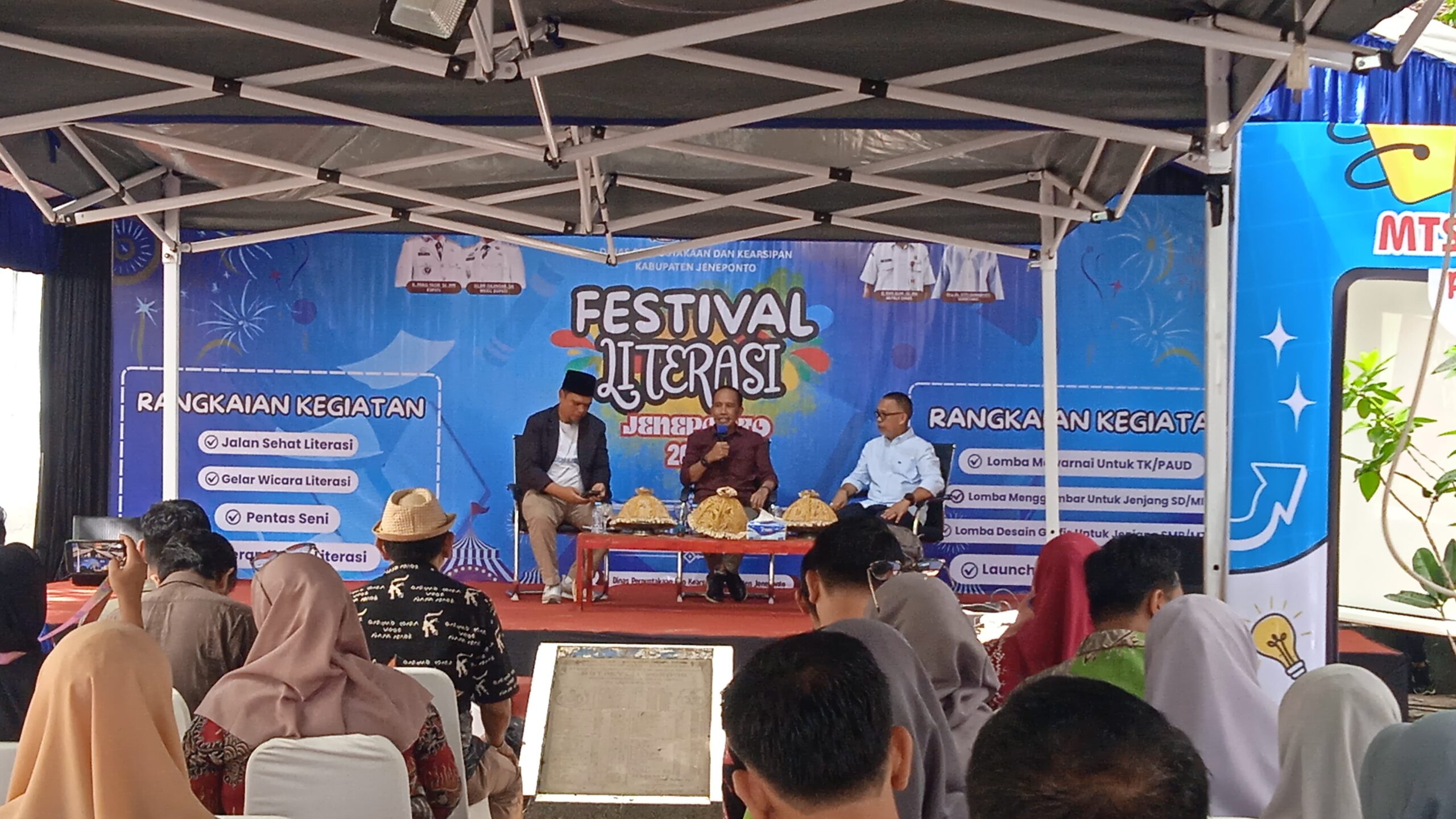

Jeneponto, South Sulawesi, Indonesia – On November 13–14, 2025, the Department of Library and Archives of Jeneponto Regency organized a significant cultural and educational event titled “Digitalization Socialization and Literacy Festival.” This two-day activity aimed to strengthen efforts in preserving ancient manuscripts while simultaneously promoting literacy among the wider community. The event took place at the Department’s main hall and brought together diverse participants, reflecting a shared commitment to safeguarding cultural heritage through modern approaches.
The literacy festival attracted approximately 100 participants, including students, educators, cultural practitioners, and members of the local community. Through interactive sessions, discussions, and exhibitions, participants were introduced to the importance of reading culture, knowledge dissemination, and the role of manuscripts as valuable sources of historical and cultural information. The event successfully created an engaging learning environment that encouraged participants to appreciate both traditional knowledge and contemporary literacy practices.
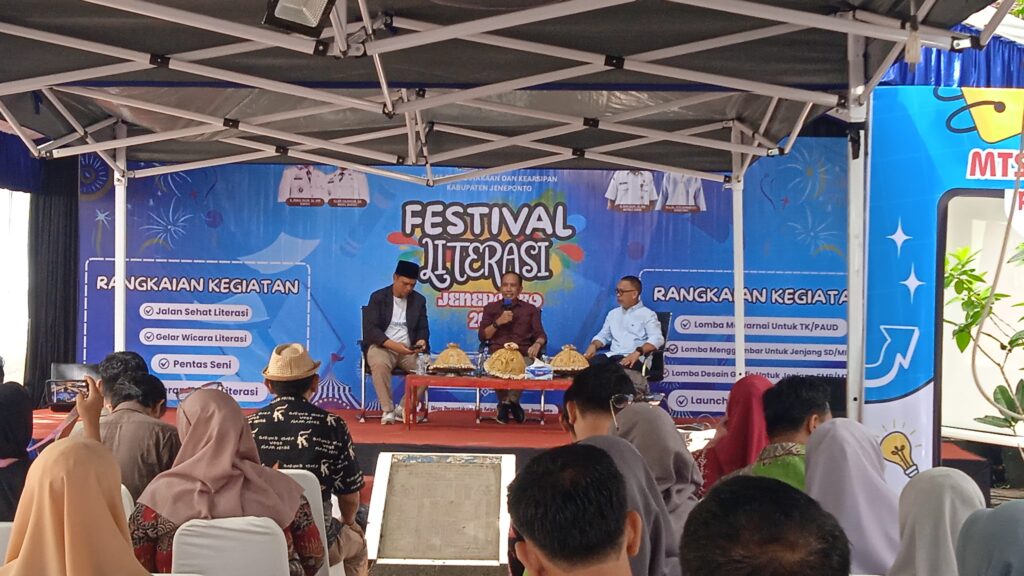
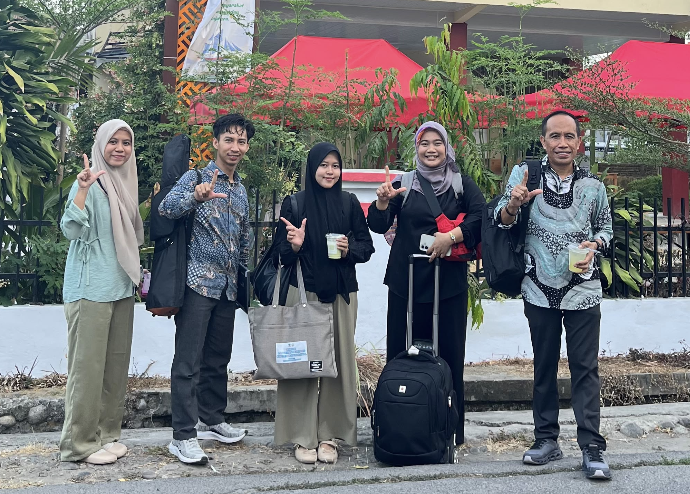
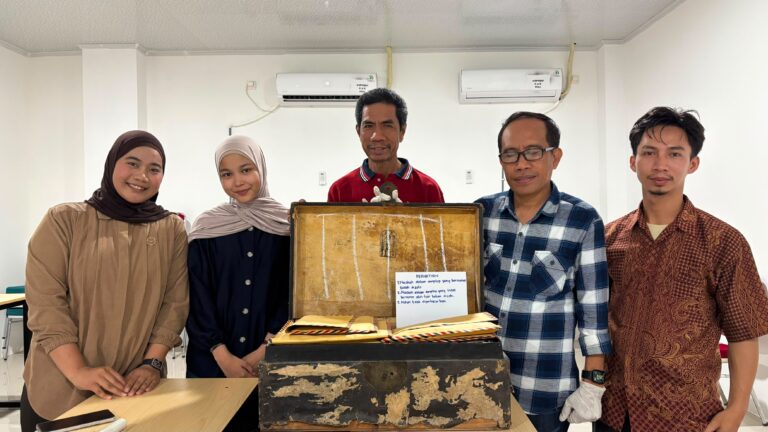
A key highlight of the event was the digitalization activity conducted by the TRG Manuscript and Culture Research Group (TRG MCRG). This specialized session involved three researchers: Prof. Muhlis Hadrawi, the team leader; Nur Syam, M.Hum, a lecturer in the Local Literature Department at Hasanuddin University; and Nur Amaliah Ramadhani, S.S., a researcher at TRG MCRG. The team digitized ancient manuscripts, aiming to preserve fragile documents while making them more accessible for future research and public use.
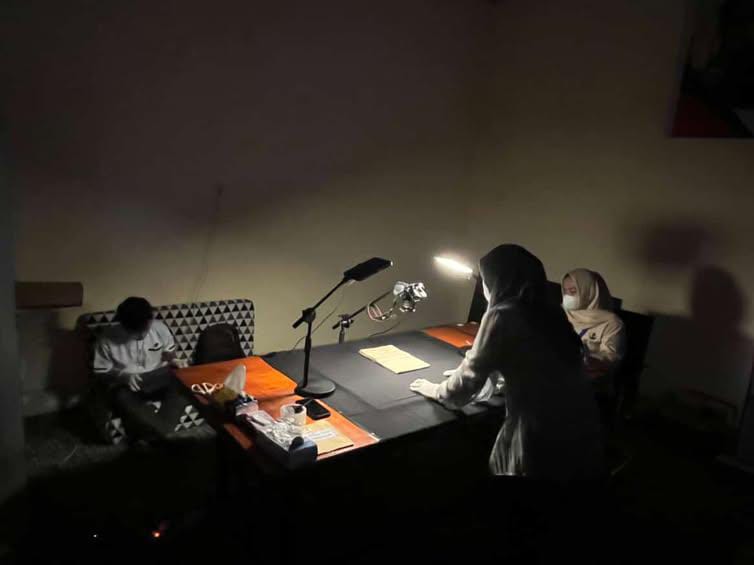
The digitalization process included careful handling of manuscripts, high-resolution imaging, and systematic documentation. This effort not only protects the physical condition of the manuscripts but also ensures that their content can be preserved in digital formats, reducing the risk of loss due to environmental factors or material deterioration. Furthermore, the activity provided local stakeholders with practical insights into how digital technology can be utilized in cultural preservation.
This initiative is strongly aligned with several Sustainable Development Goals (SDGs), particularly SDG 4: Quality Education, SDG 1: No Poverty, and SDG 17: Partnerships for the Goals, and is also relevant to SDG 15: Life on Land. By promoting literacy and providing access to knowledge, the festival directly contributes to SDG 4, enhancing educational opportunities for the community. The preservation and potential utilization of manuscripts as cultural assets may also support SDG 1 by creating opportunities for local economic development through education and cultural initiatives. Moreover, the collaboration between the Jeneponto Government and the TRG MCRG research team exemplifies SDG 17, highlighting the importance of partnerships in achieving sustainable cultural preservation. The safeguarding of manuscripts, often made from natural materials, also relates to SDG 15, which emphasizes the responsible management of terrestrial resources.
The event concluded with a shared understanding of the importance of integrating traditional knowledge with modern technology. Participants expressed enthusiasm for future programs that combine literacy development and cultural preservation.
Overall, the Digitalization, Socialization, and Literacy Festival represents a meaningful step toward strengthening cultural resilience in Jeneponto. It highlights how collaborative efforts, supported by academic expertise and community engagement, can contribute to sustainable development through education, innovation, and the preservation of cultural heritage..
The following day, Friday, 14 November 2025, the TRG team continued the digitalization of Jeneponto’s ancient manuscripts. One of the team members, Nur Amaliah Ramadani, explained that “most of the manuscripts we are digitizing in Jeneponto are written in the Serang script using the Arabic language.”
These manuscripts are planned to be registered with the National Library of the Republic of Indonesia. The earlier identification and inventory project conducted in Jeneponto has proven to be crucial, serving as the first step in safeguarding the manuscripts. Digitalization, Nur Amaliah added, plays a vital role in preserving the content of fragile manuscripts at risk of deterioration.
The initiative aims to compile comprehensive metadata to build a Jeneponto Ancient Manuscript Database. Furthermore, the digital manuscripts are expected to be uploaded to the official website of the Jeneponto Government or the Library and Archival Office, enabling wider public access, especially for children and young researchers eager to study these cultural treasures.
The two-day program reflects the continued commitment of the Jeneponto Government to protect and promote its literary heritage through modern preservation efforts.