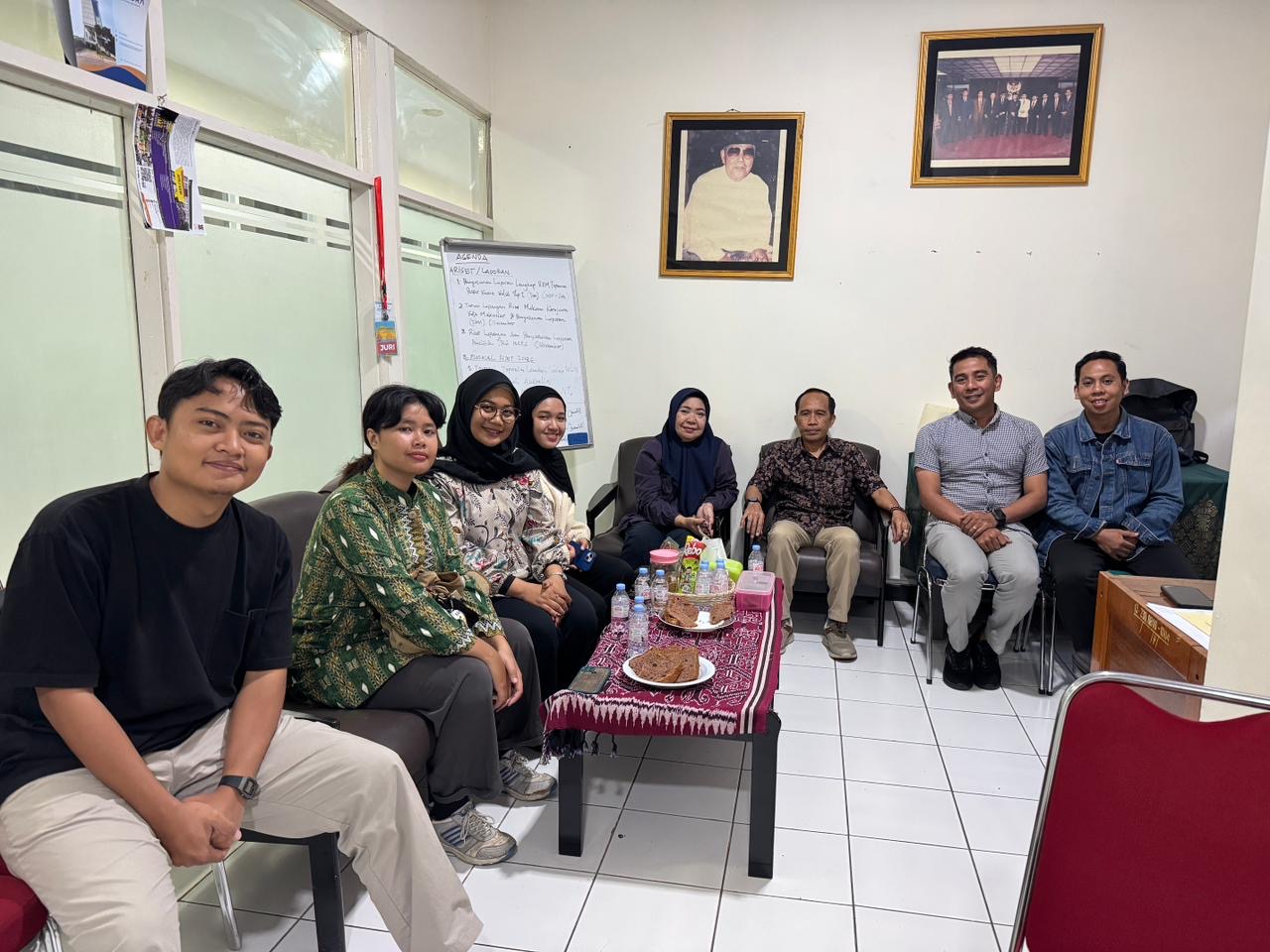

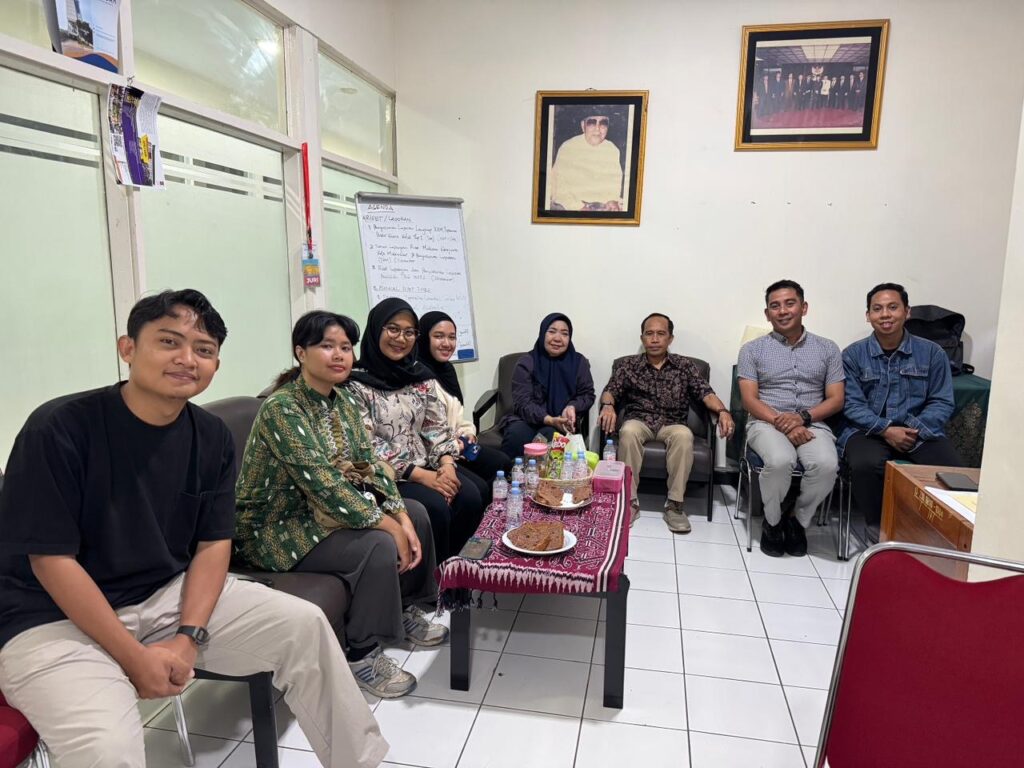
Makassar, South Sulawesi, Indonesia – On December 6, 2025, the Institute for Research and Community Service (LPPM), Hasanuddin University, hosted an important collaborative visit from the Cultural Office of Makassar City. This activity was part of an ongoing project to register Intangible Cultural Heritage (ICH), with a specific focus on traditional culinary heritage from Makassar, namely Kue Taripang and Kue Umba-Umba (also widely known as Onde-onde). The visit marked a strategic effort to strengthen coordination between government institutions and academic research groups to preserve and promote local cultural assets.
The activity involved a total of nine participants, consisting of six representatives from the Makassar City Cultural Office and three members of the TRG Manuscript and Culture Research Group. The meeting was designed to facilitate in-depth coordination, data collection, and documentation processes required for the formal registration of these traditional foods as recognized elements of intangible cultural heritage.
One of the central activities during the visit was a video interview session with Prof. Muhlis Hadrawi, a prominent cultural scholar and head of the TRG Manuscript and Culture Research Group. The interview aimed to capture expert insights on the historical, cultural, and social significance of Kue Taripang and Kue Umba-Umba within Makassar society. These narratives are essential components in strengthening the cultural value and authenticity of the heritage registration dossier.
In addition to the interview, the TRG Manuscript and Culture team completed the official registration forms (borang) required for the Intangible Cultural Heritage submission process. This included detailed descriptions of the origin, preparation methods, cultural meanings, and community relevance of the traditional cakes. The documentation process emphasized accuracy, cultural sensitivity, and scientific clarity to ensure that the heritage elements are well-represented at the national level.
This initiative is closely aligned with several Sustainable Development Goals (SDGs), particularly SDG 4: Quality Education, SDG 1: No Poverty, and SDG 17: Partnerships for the Goals, and is also relevant to SDG 15: Life on Land. Through systematic documentation and knowledge sharing, the activity supports SDG 4 by enriching educational resources related to local culture and traditions. The recognition and promotion of traditional culinary heritage also contribute to SDG 1 by creating opportunities for local economic development, especially for small-scale food producers and cultural entrepreneurs. Moreover, the collaboration between the Makassar City Cultural Office and the TRG-MCRG exemplifies SDG 17, highlighting the importance of partnerships in achieving sustainable cultural preservation. The safeguarding of traditional food practices, which rely on natural ingredients and local ecosystems, also aligns with SDG 15, which emphasizes the sustainable use of terrestrial resources.
The visit concluded with a shared commitment to continue the documentation and advocacy process, ensuring that Kue Taripang and Kue Umba-Umba receive formal recognition as valuable cultural heritage. This activity reflects a broader vision of integrating academic research, government initiatives, and community knowledge in safeguarding Indonesia’s rich cultural diversity for future generations.