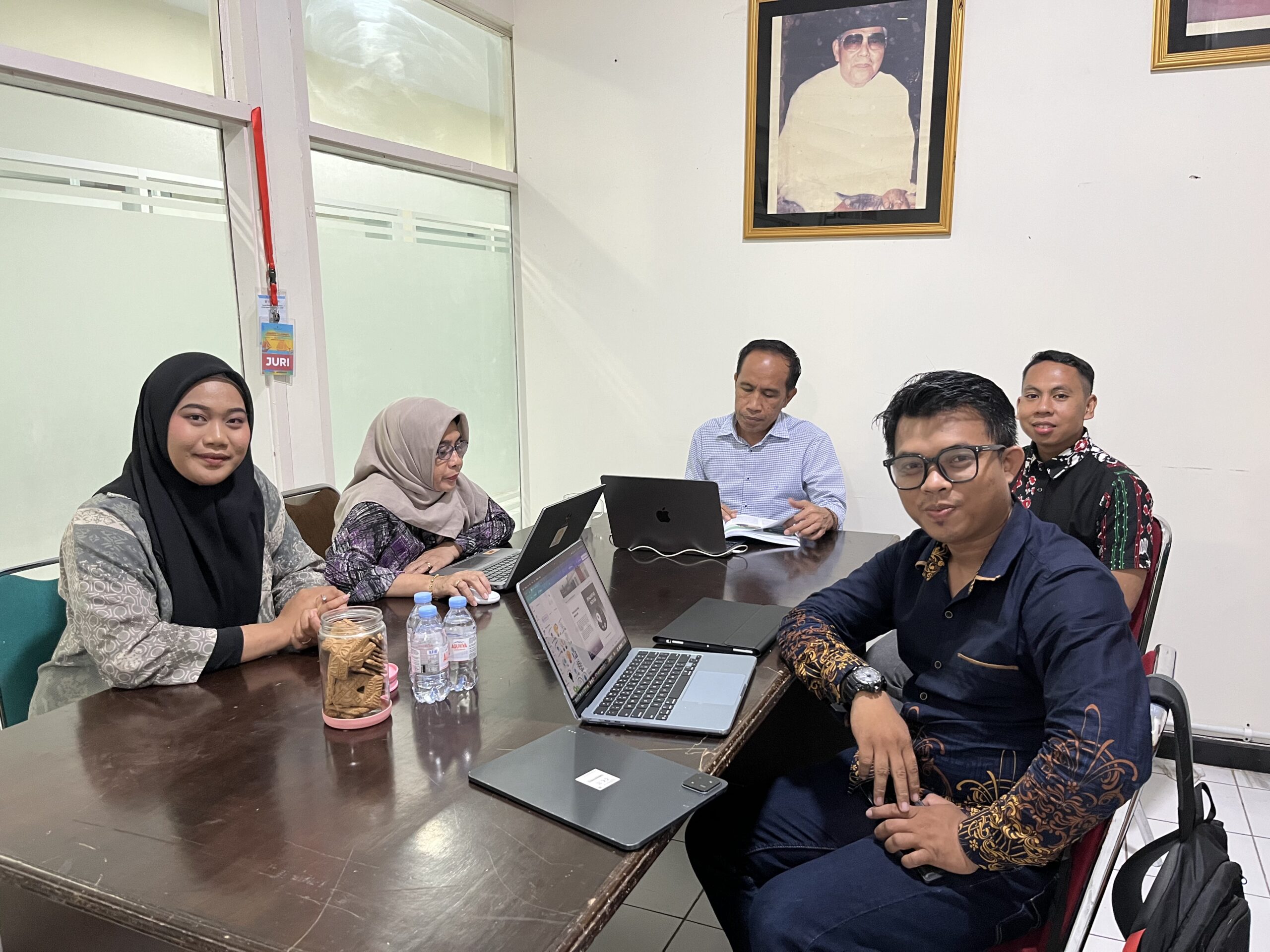

Makassar, South Sulawesi, Indonesia – On December 9, 2025, a focused and strategic meeting was convened at the Institute for Research and Community Service (LPPM), Hasanuddin University, Makassar. This activity marked a crucial stage in preparing the publication of the book “Tombs of Kings and Aristocrats in Makassar City,” carried out in close coordination with Pakkalawaki Publisher. The meeting aimed to finalize the manuscript, ensure academic rigor, and strengthen collaboration between researchers and the publishing institution.
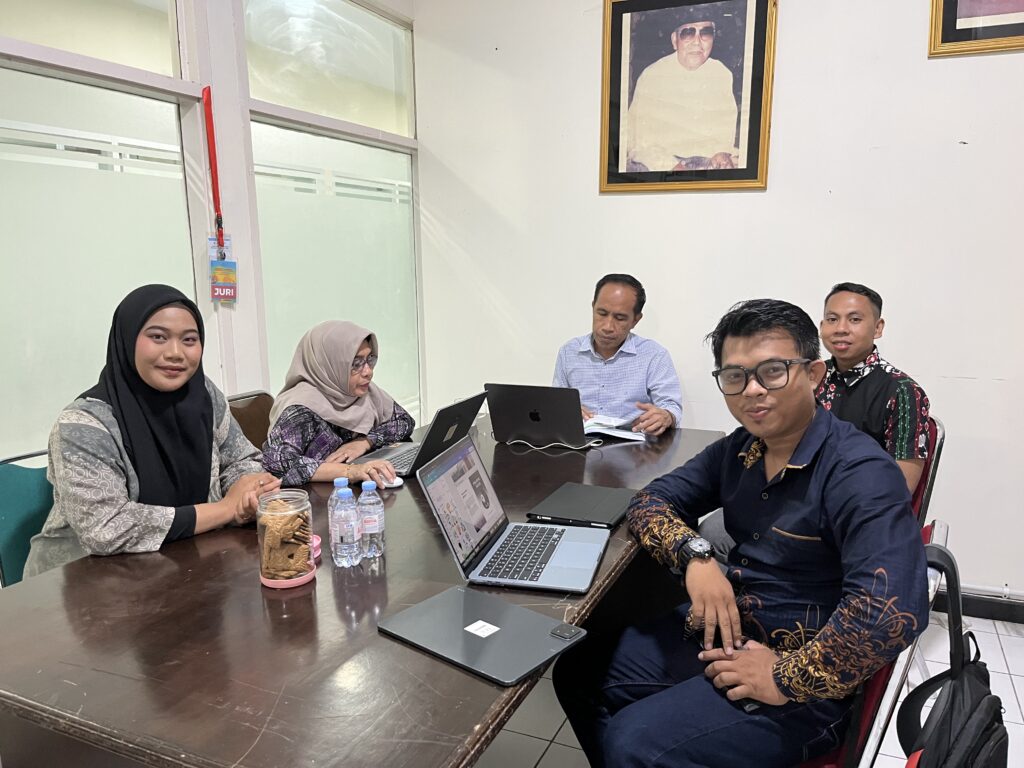
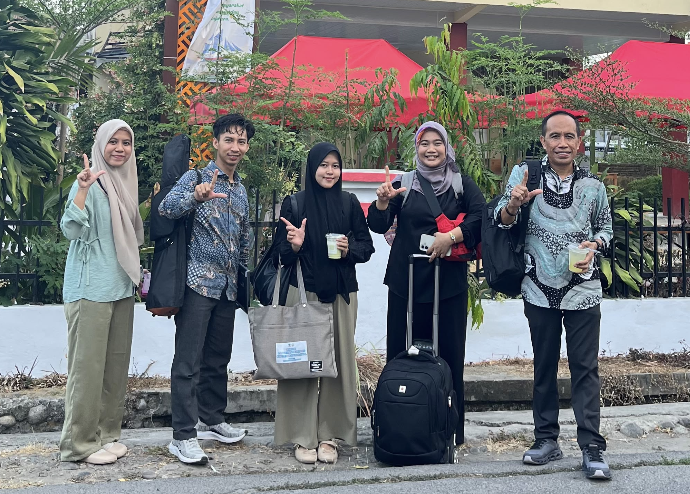
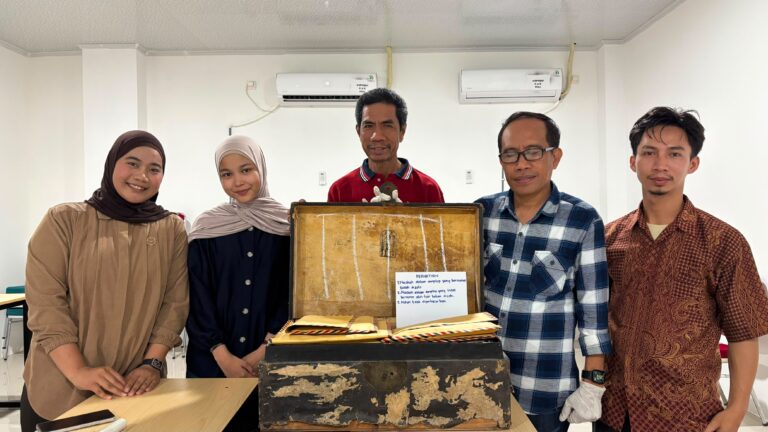
The session involved five participants representing diverse yet complementary expertise. The team was led by Prof. Muhlis Hadrawi as the principal investigator. He was joined by Dr. Nuraidar Agus, an external researcher from the National Research and Innovation Agency (BRIN), as well as two young researchers from the Manassa South Sulawesi–West Sulawesi Commissariat and the TRG Manuscript and Culture Research Group: Yusuf Sirajuddin, S.S., and Nur Amaliah Ramadhani, S.S. The meeting also included Damar I Manakku, Director of Pakkalawaki Publisher, whose role was pivotal in aligning the manuscript with publication standards and dissemination strategies.
The discussion centered on finalizing the book’s content, including verifying historical data, refining the narrative structure, and ensuring consistent referencing. Particular attention was given to ensuring that the book presents a scientifically grounded yet accessible account of Makassar’s royal and aristocratic burial heritage. This effort reflects a broader commitment to preserving cultural memory and making scholarly knowledge available to the public.
This activity contributes directly to several Sustainable Development Goals (SDGs), particularly SDG 4: Quality Education, SDG 1: No Poverty, and SDG 17: Partnerships for the Goals. Through the production of a well-researched publication, the initiative supports SDG 4 by enhancing access to educational resources rooted in local history and culture. By documenting and promoting cultural heritage, the book can also indirectly contribute to SDG 1, as cultural knowledge can support community-based tourism and local economic opportunities. Most prominently, the collaboration between academic researchers, independent scholars, and a local publisher exemplifies SDG 17, highlighting the importance of partnerships in advancing knowledge production and dissemination.
The meeting concluded with a clear roadmap for publication, including editorial timelines, design considerations, and distribution planning. The synergy between the research team and Pakkalawaki Publisher underscores the importance of interdisciplinary and cross-institutional collaboration in producing impactful scholarly work.
Overall, this preparatory activity represents a significant step toward bringing a valuable historical resource to a wider audience. It not only strengthens academic collaboration but also reinforces the role of research institutions in contributing to sustainable development through education, cultural preservation, and strategic partnerships.