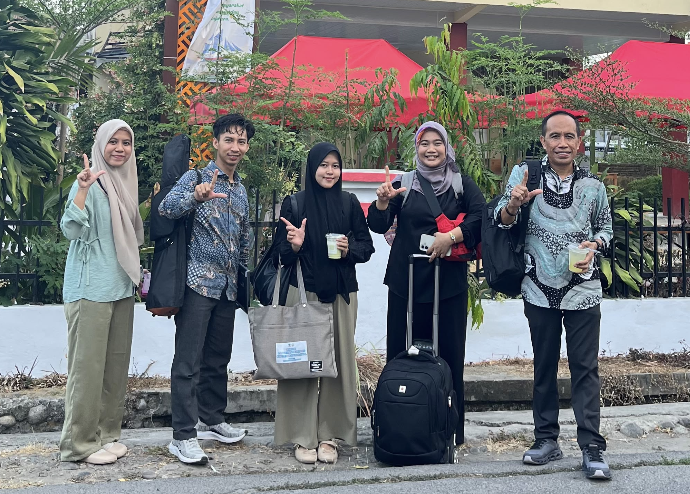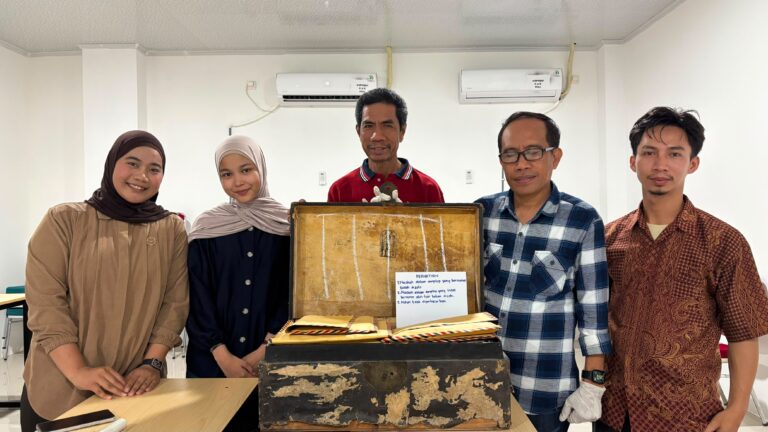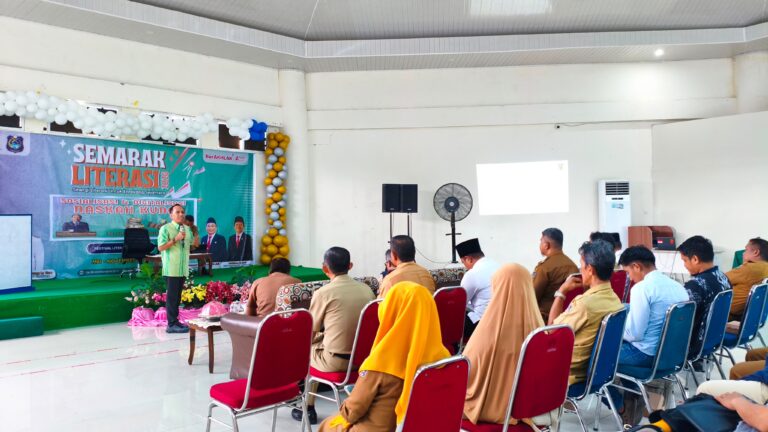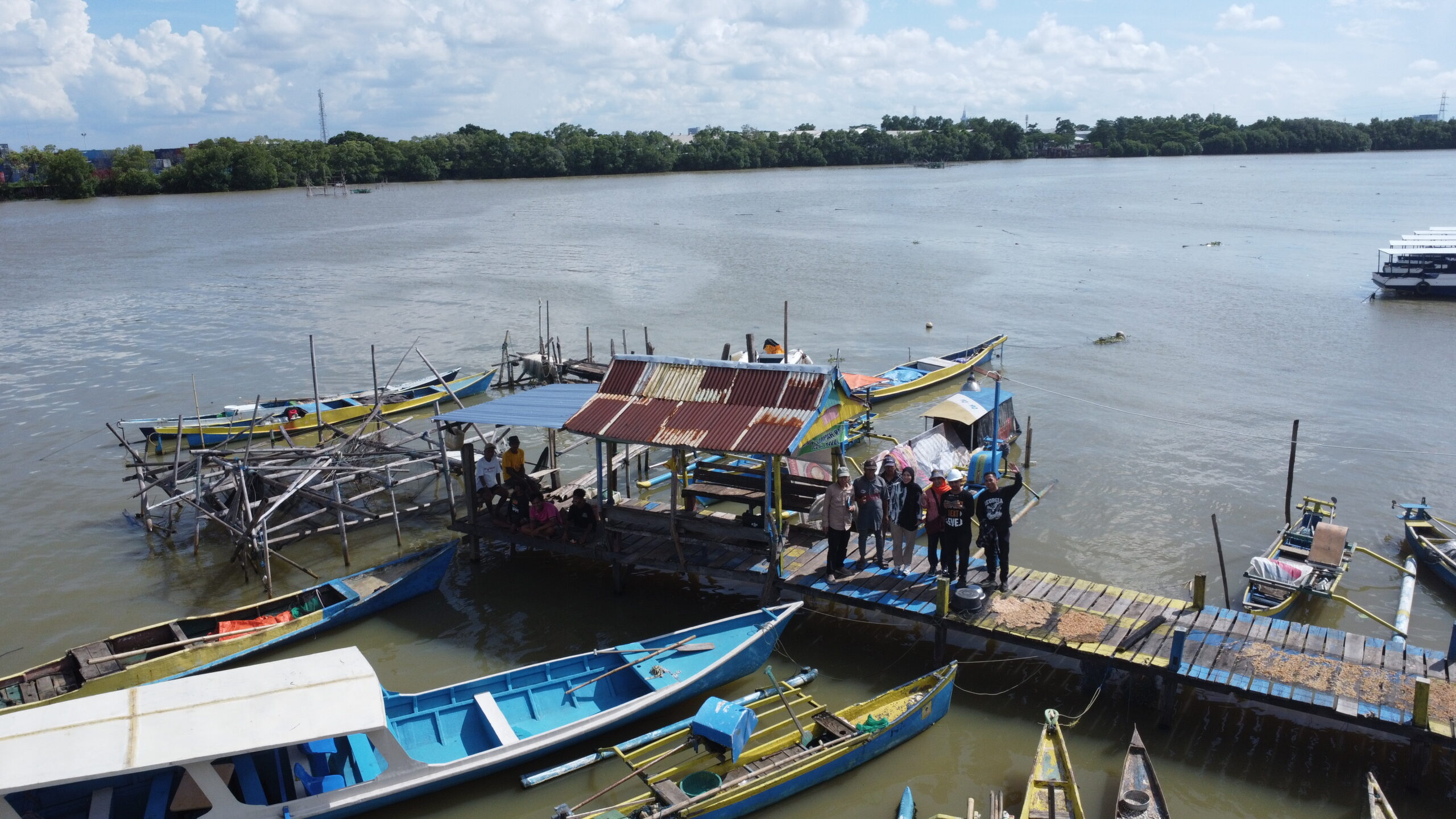

Makassar, South Sulawesi, Indonesia – From December 8 to 28, 2025, the research team of the TRG Manuscript and Culture Research Group at Universitas Hasanuddin conducted an intensive field study in Tallo, Makassar City. This activity was part of the 2025 TRG research scheme, which aimed to systematically explore and document material cultural remains and historical traces of early Islamic presence in Makassar. The study reflects a multidisciplinary approach, combining philology, archaeology, history, and linguistics to construct a comprehensive understanding of Tallo’s cultural landscape.
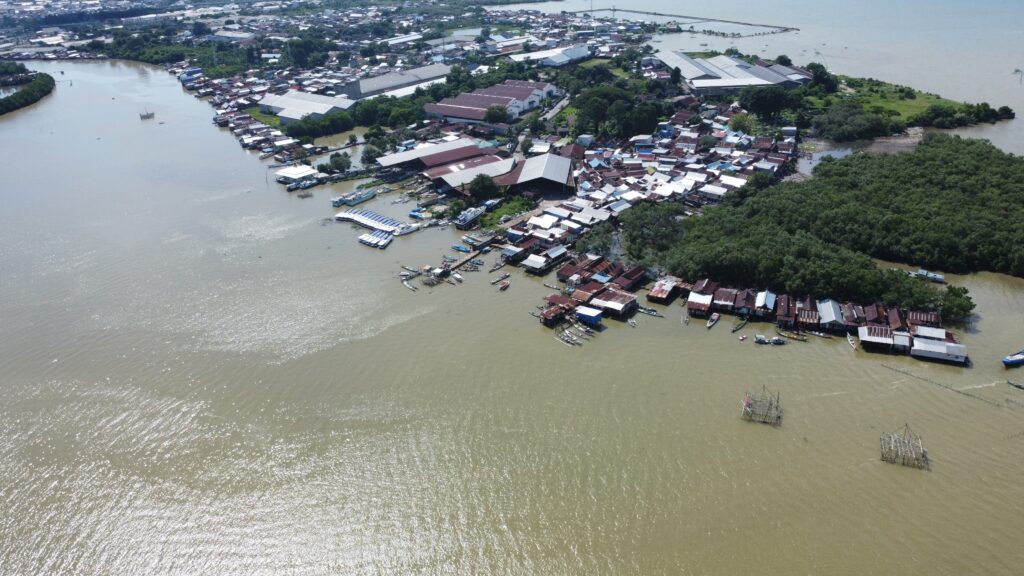
The research focused on identifying and analyzing various forms of material heritage, including the remnants of the Tallo fortress, former port areas, historic mosques, traces of traditional markets, ancient gateways, and other archaeological indicators. These sites are significant as they represent the socio-economic and religious transformations that shaped Makassar in the early phases of Islamic civilization in the region. Through direct observation, mapping, and documentation, the team sought to reconstruct the spatial and cultural narratives embedded within these historical remains.
The team was led by Prof. Muhlis Hadrawi, with core members from Universitas Hasanuddin: Dr. Muhammad Nur (Archaeology) and Amrullah Amir, Ph.D (History). The research also involved cross-institutional collaboration with Dr. Nuraidar Agus, M.Hum, from BRIN, Dr. Abdul Rahman Hamid from UIN Raden Intan Lampung, and Yusuf Sirajuddin, S.S., from MANASSA of South and West Sulawesi. In addition, the project actively engaged a doctoral student in linguistics at Universitas Hasanuddin, Jusmianti Garing reflecting the integration of academic mentorship within the research process.
This field study demonstrates a strong alignment with several Sustainable Development Goals (SDGs). First, it contributes to SDG 4: Quality Education by serving as a platform for knowledge production, academic collaboration, and experiential learning for both researchers and students. By engaging in field-based investigation, participants enhance their analytical skills while generating valuable academic outputs.
Second, the initiative supports SDG 17: Partnerships for the Goals, as evidenced by the collaboration between multiple institutions, including Universitas Hasanuddin, BRIN, UIN Raden Intan Lampung, and Manassa. Such partnerships strengthen research capacity, encourage knowledge exchange, and promote interdisciplinary approaches in cultural studies.
Furthermore, the research is also connected to SDG 1: No Poverty, particularly through its potential to support community-based cultural tourism and local economic development. By documenting and promoting historical sites in Tallo, the study helps raise public awareness and appreciation of local heritage, which may lead to sustainable economic opportunities for surrounding communities.
Additionally, this initiative is relevant to SDG 15: Life on Land, as it emphasizes the preservation of cultural landscapes and heritage sites that are intrinsically linked to the environment. Protecting these sites ensures the continuity of historical knowledge and ecological wisdom embedded within local traditions.
Overall, the field research in Tallo is not only an academic endeavor but also a strategic effort to preserve cultural identity and historical memory. By bridging research, education, and collaboration, this initiative contributes meaningfully to sustainable development while reinforcing the importance of cultural heritage in shaping collective identity in an archipelago.