


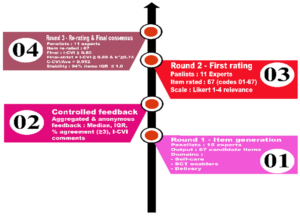
MAKASSAR, Indonesia, May 28, 2026 /HNCD/ — Breast cancer is often considered a disease that affects adult women. However, health experts now emphasize that prevention should begin much earlier — during adolescence, when lifelong health habits are first formed.
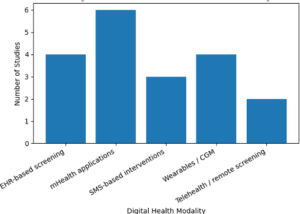
MAKASSAR, Indonesia, May 28, 2026 /HNCD/ — Millions of people around the world are living with type 2 diabetes without even realizing it. Many only discover the disease after serious complications appear, such as heart disease, kidney problems, or vision loss. This hidden health crisis is especially common in underserved communities where access to healthcare services remains limited.
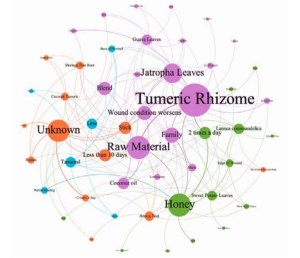
MAKASSAR, Indonesia, May 28, 2026 /HNCD/ — In many rural communities across Indonesia, traditional healing practices remain an important part of daily healthcare. For people living with diabetes, especially in remote areas with limited access to hospitals and wound care services, natural remedies are often the first option for treating diabetic foot ulcers. A recent qualitative study conducted among the Mandar tribe in West Sulawesi reveals how indigenous knowledge continues to shape wound care practices while also highlighting the urgent need for safer and evidence based healthcare integration.

MAKASSAR, Indonesia, May 28, 2026 /HNCD/ — For many people living with kidney failure, hemodialysis is not only physically exhausting but also emotionally challenging. Patients must follow strict diet therapy and fluid restrictions every single day. Unfortunately, many struggle to stay consistent, especially when dealing with thirst, limited food choices, and emotional stress.
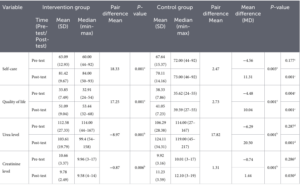
MAKASSAR, Indonesia, May 28, 2026 /HNCD/ — For thousands of people living with chronic kidney disease, hemodialysis is more than just a medical procedure. It is a lifelong routine that changes daily habits, emotional well being, family relationships, and even financial stability. Many patients struggle not only with physical symptoms but also with maintaining proper self care and quality of life.
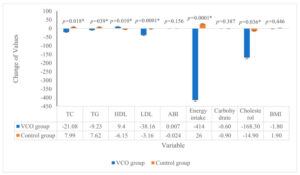
MAKASSAR, Indonesia, May 28, 2026 /HNCD/ — Diabetes mellitus continues to be one of the world’s fastest growing health challenges. Beyond high blood sugar levels, many people with diabetes also face another silent danger called dyslipidaemia, a condition where harmful fats such as cholesterol and triglycerides increase in the blood. This problem can raise the risk of heart disease, stroke, and poor blood circulation.
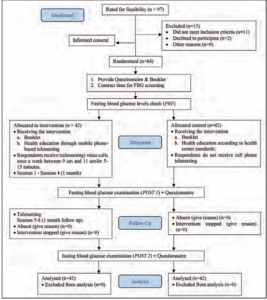
MAKASSAR, Indonesia, May 28, 2026 /HNCD/ — Managing diabetes requires more than medication alone. Patients must consistently monitor blood sugar levels, maintain healthy eating habits, take medications regularly, and adopt healthier lifestyles. However, for many people living in rural and remote areas, access to healthcare services remains a major challenge. Long travel distances, limited healthcare facilities, and geographical barriers often make diabetes management difficult, especially for older adults and underserved communities.
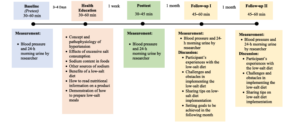
MAKASSAR, Indonesia May 21 2026 /HNCD/ — High blood pressure, or hypertension, is often called the “silent killer” because many people do not realize they have it until serious complications appear. For older adults, hypertension can lead to stroke, heart disease, kidney problems, and reduced quality of life. In Indonesia’s rural communities, where access to healthcare and health education is still limited, controlling blood pressure remains a major challenge.
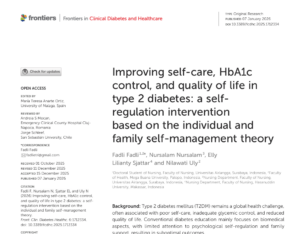
MAKASSAR, Indonesia May 21 2026 /HNCD/ — Type 2 diabetes is no longer just a medical issue. Across the world, millions of people struggle every day to maintain healthy eating habits, monitor blood sugar levels, manage stress, and stay physically active. While medication remains important, many patients still experience uncontrolled blood sugar and declining quality of life because diabetes management requires long-term lifestyle discipline that is often difficult to sustain alone.
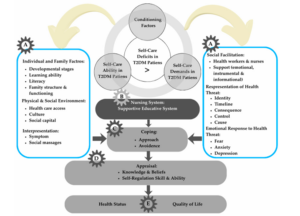
MAKASSAR, Indonesia, May 21 2026/HNCD–Managing type 2 diabetes is often described as a lifelong journey rather than a short-term treatment. For millions of people worldwide, daily decisions about food, exercise, medication, sleep, and stress management can significantly influence their health outcomes. Yet many patients still struggle to maintain consistent self-care routines. A recent systematic review published in Healthcare highlights an important message: diabetes management becomes more effective when patients are supported not only medically, but also emotionally, behaviorally, and socially through self-regulation and family involvement.