


MAKASSAR, Indonesia May 21 2026 /HNCD/ —Type 2 diabetes is no longer just a medical issue. Across the world, millions of people struggle every day to maintain healthy eating habits, monitor blood sugar levels, manage stress, and stay physically active. While medication remains important, many patients still experience uncontrolled blood sugar and declining quality of life because diabetes management requires long-term lifestyle discipline that is often difficult to sustain alone.
A newly published study reveals that emotional support, family involvement, and self-regulation skills may be the missing pieces in improving diabetes care.
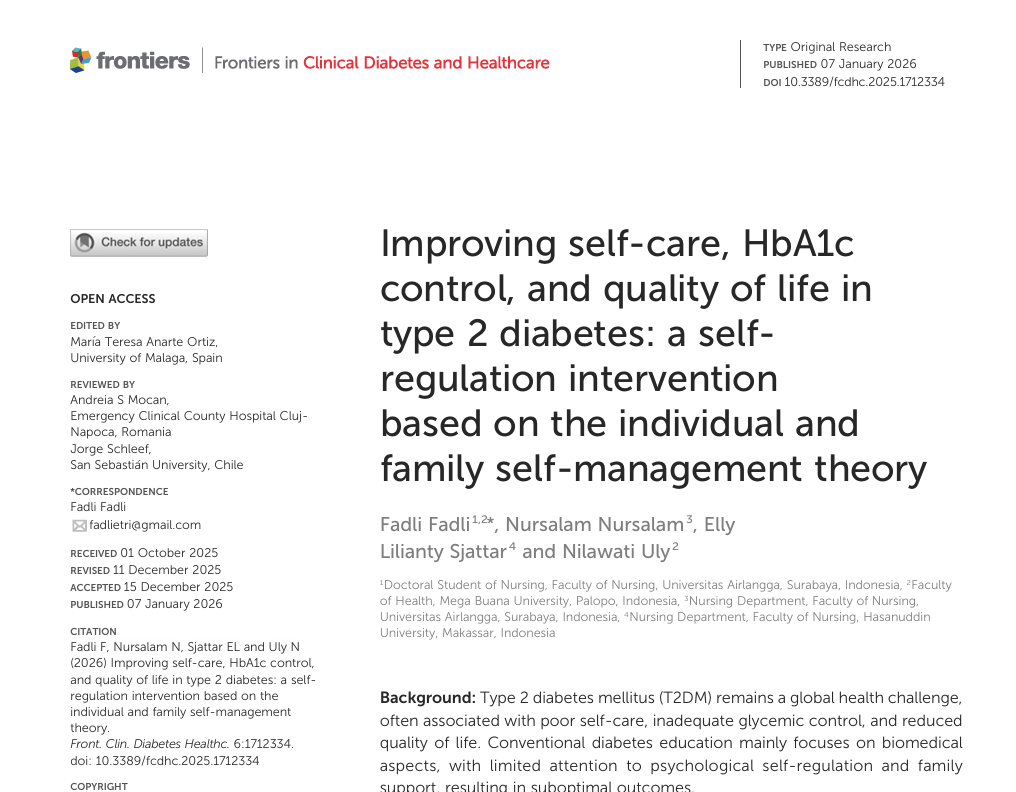
The study, titled “Improving self-care, HbA1c control, and quality of life in type 2 diabetes: a self-regulation intervention based on the individual and family self-management theory,” was published in Frontiers in Clinical Diabetes and Healthcare by Frontiers on January 07, 2026. The research explored how structured self-regulation programs combined with family participation could help patients with type 2 diabetes improve their daily self-care behaviors and health outcomes.
The study involved 90 patients with type 2 diabetes in Indonesia who participated in a 12-week intervention program based on the Individual and Family Self-Management Theory (IFSMT). Participants received education not only about diet and medication, but also about stress management, emotional coping, self-confidence, and family-based support systems. Family members were encouraged to join several sessions to help patients maintain healthier routines at home.
The results were remarkable.
Patients who joined the self-regulation program showed significant improvements in diabetes self-care skills, emotional well-being, and quality of life. Most importantly, their HbA1c levels — a key indicator of long-term blood sugar control — decreased significantly compared with patients who only received standard education leaflets. Researchers also found that participants became more confident in managing stress, maintaining healthy eating patterns, and following medication schedules consistently.
Why does this matter?
Many diabetes education programs focus mainly on medical instructions, but people living with diabetes often face emotional exhaustion, fluctuating motivation, and lack of family support. This study highlights that successful diabetes care is not only about giving information, but also about building supportive environments that help patients maintain healthy behaviors over time.
The findings strongly relate to SDG 3: Good Health and Well-Being because improving diabetes self-management can reduce complications, improve mental health, and enhance overall quality of life. At the same time, the study also supports SDG 4: Quality Education by promoting health literacy and empowering patients through practical education strategies. In addition, collaboration between healthcare workers, families, and communities reflects the spirit of SDG 17: Partnerships for the Goals in strengthening public health outcomes together.
As diabetes cases continue to rise globally, especially in developing countries, this research offers an important reminder: managing chronic illness should not depend solely on hospitals or medication. Strong family support, emotional resilience, and daily self-regulation may become some of the most powerful tools in helping people with diabetes live healthier and happier lives.
Reference
DOI: https://doi.org/10.3389/fcdhc.2025.1712334
Contact:
Elly Lilianty Sjattar
ellylilianty@unhas.ac.id


