


MAKASSAR, Indonesia May 21 May 2026 /HNCD/ — High blood pressure, or hypertension, is often called the “silent killer” because many people do not realize they have it until serious complications appear. For older adults, hypertension can lead to stroke, heart disease, kidney problems, and reduced quality of life. In Indonesia’s rural communities, where access to healthcare and health education is still limited, controlling blood pressure remains a major challenge.
A newly published study from Indonesia highlights a simple but powerful solution: reducing salt intake through continuous education and follow-up support.
The study, titled “Continuous follow-up intervention of a low-salt diet to control blood pressure among older people with hypertension in rural Indonesia,” was published in Clinical Epidemiology and Global Health by Elseveir on January 27, 2025. The research investigated whether regular education and continuous follow-up could help older adults maintain a low-salt diet and improve blood pressure control.
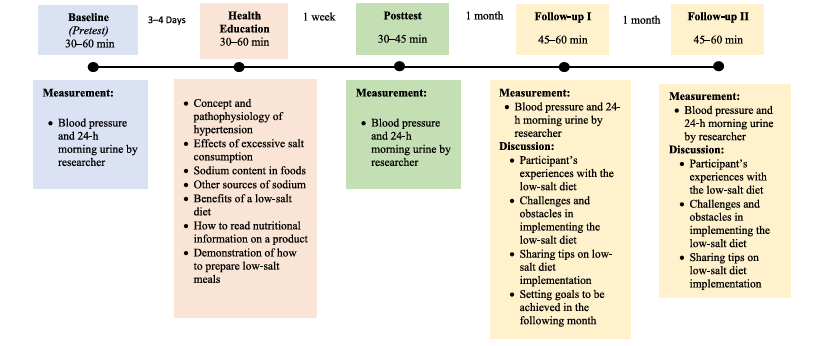
Researchers involved 148 older adults with hypertension living in rural North Morowali Regency, Indonesia. Participants were divided into two groups. The intervention group received low-salt diet education, demonstrations on preparing healthier meals, guidance on reading food labels, and monthly follow-up meetings for two months. Meanwhile, the control group only received standard education from local health centers without follow-up assistance.
The results showed a clear difference.
Older adults who received continuous follow-up experienced significant reductions in both systolic and diastolic blood pressure. Their blood pressure gradually improved and remained stable during the first and second months after the intervention. In contrast, the control group showed almost no meaningful changes in blood pressure levels.
Researchers also discovered an important reason behind poor adherence to low-salt diets. Many older adults believed they were already reducing salt intake simply by using less table salt, while still consuming processed foods such as instant noodles, canned fish, and packaged snacks that contain high sodium levels. Cultural eating habits and limited knowledge about hidden salt sources also made lifestyle changes more difficult.
However, the study found that continuous support helped participants slowly change their daily eating habits. Over time, many participants started choosing boiled foods instead of fried foods and became more aware of sodium content in packaged products. This finding shows that behavior change does not happen instantly — people need repeated guidance, encouragement, and monitoring to maintain healthy habits.
This research strongly supports SDG 3: Good Health and Well-Being, which focuses on reducing premature deaths caused by non-communicable diseases such as hypertension and cardiovascular disease. Better blood pressure control among older adults can help prevent stroke, improve quality of life, and reduce healthcare burdens in rural communities.
The study also reflects the importance of SDG 4: Quality Education, because practical and culturally appropriate health education played a key role in helping older adults understand healthier dietary practices. In addition, collaboration between researchers, healthcare workers, families, and rural communities demonstrates the spirit of SDG 17: Partnerships for the Goals in strengthening public health interventions.
As hypertension cases continue to rise globally, especially among aging populations, this Indonesian study sends a strong message: simple lifestyle education combined with continuous community support can save lives.
Reference
DOI: https://doi.org/10.1016/j.cegh.2025.101943
Contact:
Prof. Elly Lilianty Sjattar
ellylilianty@unhas.ac.id


