


MAKASSAR, Indonesia, May 28, 2026 /HNCD/ — Breast cancer is often considered a disease that affects adult women. However, health experts now emphasize that prevention should begin much earlier — during adolescence, when lifelong health habits are first formed.
A recent Indonesian study offers a new approach to breast cancer prevention by developing a comprehensive education model specifically designed for adolescent girls. The study, titled “Consensus-Based Model for Adolescent Breast Cancer Prevention Education in Indonesia: A Three-Round Delphi Study Informed by Self-Care Theory and Social Cognitive Theory,” was published in Archives of Breast Cancer on April 22, 2026. The research highlights how schools, families, health workers, and peer groups can work together to strengthen breast cancer literacy and encourage healthy behaviors among teenagers.
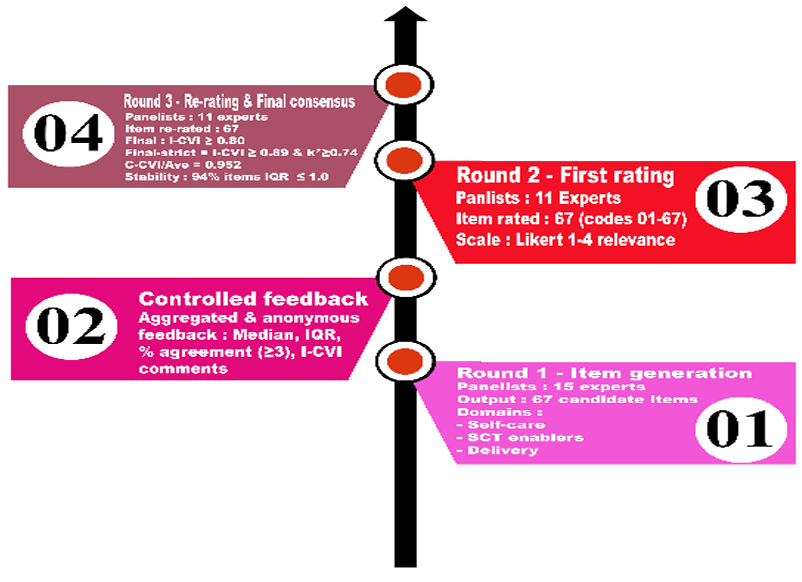
The study was conducted by researchers from Hasanuddin University and collaborating institutions in Indonesia using a three-round Delphi method involving multidisciplinary experts, including oncologists, nurses, public health academics, community leaders, and breast cancer survivor representatives. The goal was to design an educational framework that is not only informative but also practical, culturally sensitive, and suitable for adolescents.
Researchers found that many teenagers still have limited understanding of breast cancer risk factors, warning signs, and preventive behaviors. Cultural stigma and embarrassment surrounding discussions about breast health also remain major barriers, especially in conservative communities. As a result, many young girls grow up without adequate knowledge about their own bodies and health risks.
To address this challenge, the proposed educational model combines two important behavioral approaches: Self-Care Theory and Social Cognitive Theory. Instead of relying solely on lectures, the model encourages interactive learning through demonstrations, peer discussions, digital media, and role-model support. Adolescents are taught practical self-care behaviors such as maintaining a healthy lifestyle, understanding breast health, managing stress, and recognizing early warning signs.
An important finding from the study is that effective prevention education must go beyond simply delivering information. Teenagers need supportive environments where they feel safe discussing sensitive topics without shame or fear. Teachers, parents, healthcare providers, and even breast cancer survivors were identified as essential partners in creating sustainable health education programs.
The study also emphasizes the growing global burden of breast cancer among younger age groups. According to international cancer statistics cited in the publication, breast cancer remains the most common cancer among women worldwide, including in Indonesia. Researchers therefore argue that prevention-oriented education during adolescence could help shape healthier behaviors later in life.
This innovation strongly supports SDG 3: Good Health and Well-Being by promoting early prevention and health literacy to reduce the future burden of non-communicable diseases. The educational approach also contributes to SDG 4: Quality Education because it introduces inclusive, skill-based, and youth-centered health learning in schools. Furthermore, collaboration among universities, schools, health institutions, communities, and survivor groups reflects the spirit of SDG 17: Partnerships for the Goals in strengthening public health initiatives through collective action.
Beyond breast cancer prevention, this study sends a broader message: empowering adolescents with accurate health knowledge and supportive learning environments can help create healthier generations in the future. By starting prevention early, Indonesia is taking an important step toward building a more informed, confident, and health-conscious society.
Reference
DOI: https://doi.org/10.32768/abc.6842957108-396
Contact:
Prof. Elly Lilianty Sjattar
ellylilianty@unhas.ac.id


