
Makassar – Scientific writing and evidence based practice have become increasingly important in modern healthcare services. Nurses and healthcare workers are now expected not only to provide clinical care but also to understand scientific evidence, evaluate research findings, and apply evidence based interventions in professional practice. However, many healthcare professionals still face challenges in conducting literature reviews and organizing scientific references systematically.
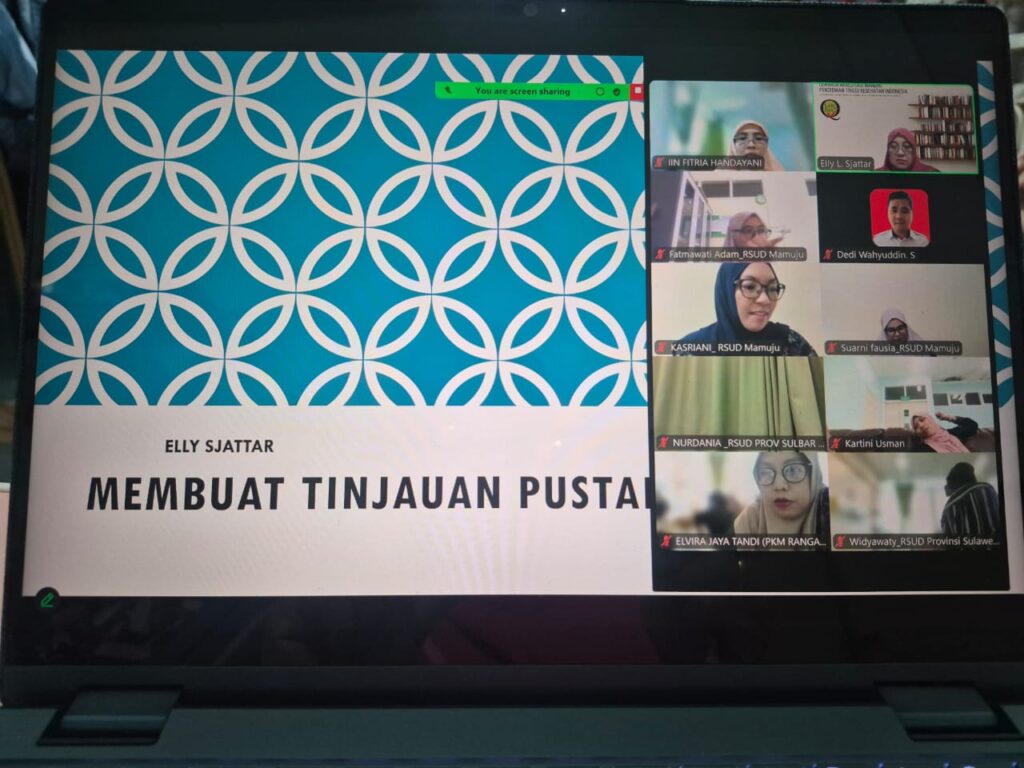
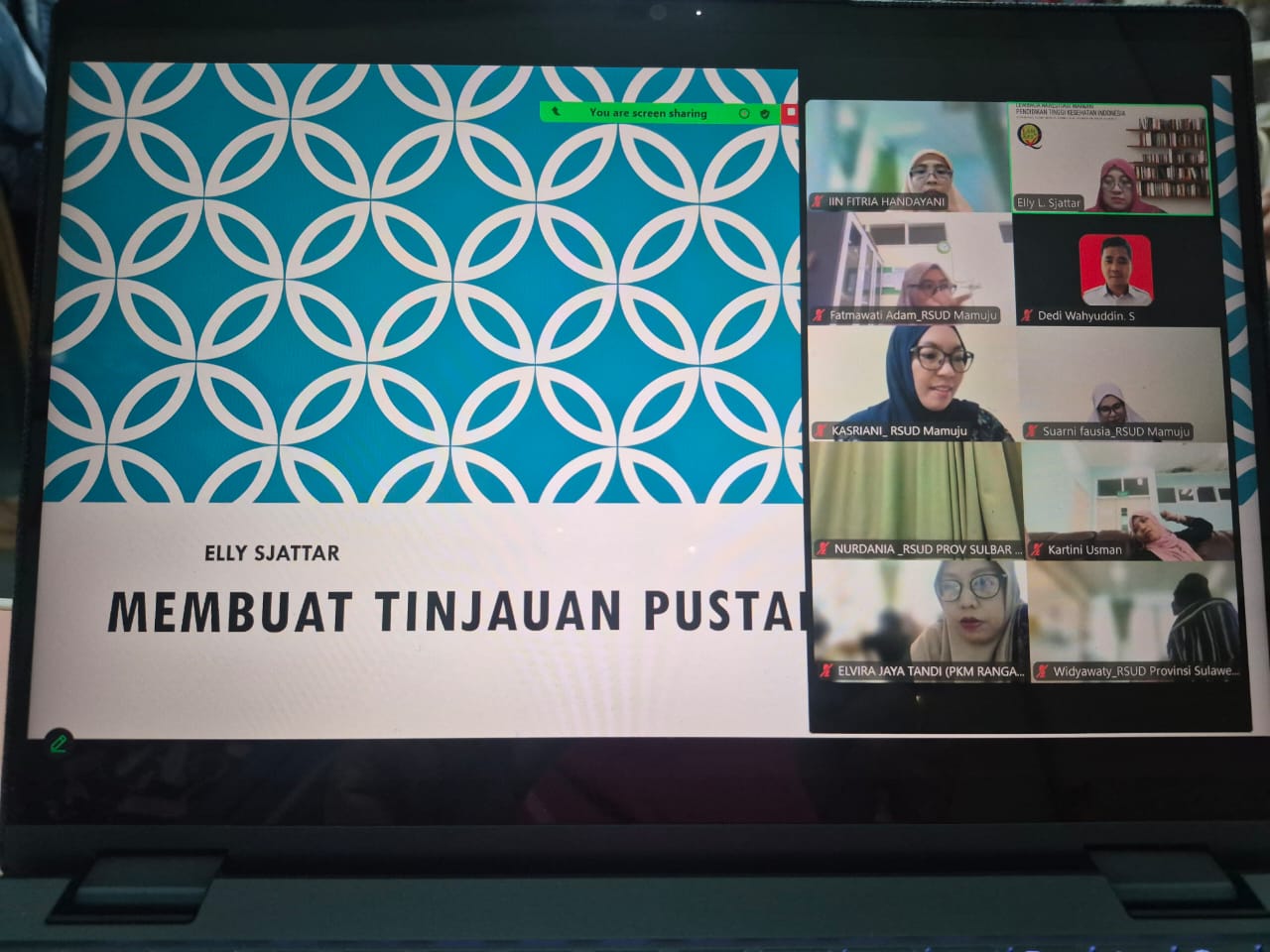
To respond to this growing need, an online educational activity entitled “Developing a Literature Review” was conducted via Zoom in November 15, 2025. The activity was attended by 20 participants, including nurses from RSUD Mamuju and representatives from the Health Office of Mamuju Regency. The training aimed to strengthen participants’ scientific literacy and enhance their ability to conduct literature reviews as part of academic writing, research development, and evidence-based healthcare practice.
The online session was facilitated by nursing academics and healthcare researchers who introduced participants to the fundamental principles of literature review development. Participants learned practical strategies for searching scientific articles through online databases, evaluating journal quality, organizing references, identifying research gaps, and synthesizing evidence into structured scientific writing.
During the activity, facilitators emphasized that a literature review is not simply a collection of article summaries. Instead, it is a critical scientific process that helps healthcare professionals understand current evidence, compare research findings, and develop stronger clinical and research perspectives. Participants were also introduced to strategies for avoiding plagiarism, selecting credible scientific sources, and improving academic writing quality.
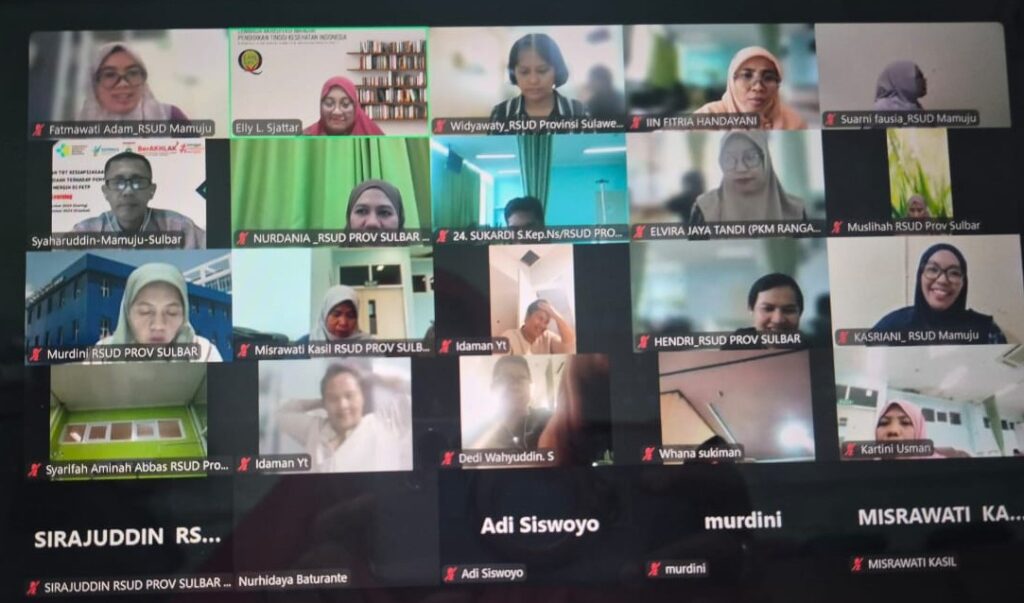
The training attracted enthusiastic participation from healthcare workers. Many participants actively shared their experiences regarding the challenges they encounter when writing scientific reports, preparing research proposals, or developing evidence based nursing interventions in healthcare settings. Interactive discussions during the Zoom sessions allowed participants to exchange ideas and improve their understanding of scientific publication processes.
One important aspect highlighted during the program was the increasing role of digital learning platforms in expanding access to professional education. Through online learning methods such as Zoom meetings, healthcare professionals from different institutions and regions were able to participate without geographical limitations. This approach also created opportunities for continuous learning while allowing participants to balance professional responsibilities in healthcare facilities.
The activity strongly supports SDG 4: Quality Education by promoting lifelong learning opportunities and strengthening professional competencies among healthcare workers. Access to scientific education and research literacy is essential for improving the quality of healthcare services and encouraging continuous professional development.
The program also contributes to SDG 3: Good Health and Well Being because stronger evidence based practice among nurses and healthcare professionals may lead to safer, more effective, and higher quality patient care. Healthcare workers who understand scientific evidence are better prepared to make informed clinical decisions and implement updated healthcare interventions.
In addition, the collaboration between academic facilitators, hospitals, and local health institutions reflects the importance of SDG 17: Partnerships for the Goals. Building stronger partnerships between educational institutions and healthcare providers is essential for improving healthcare capacity and strengthening research culture within health services.
Furthermore, by improving research competencies among healthcare professionals in regional healthcare institutions, the program may indirectly contribute to SDG 1: No Poverty through the long term improvement of healthcare quality and public health outcomes. Better healthcare services can help reduce the economic burden caused by illness and improve community productivity.
As healthcare systems continue to evolve rapidly, activities such as this online literature review training demonstrate that strengthening scientific literacy among healthcare professionals is becoming increasingly important. Through continuous education, collaboration, and digital learning innovation, healthcare workers can become more confident in developing evidence based practice and contributing to the advancement of healthcare services in Indonesia.