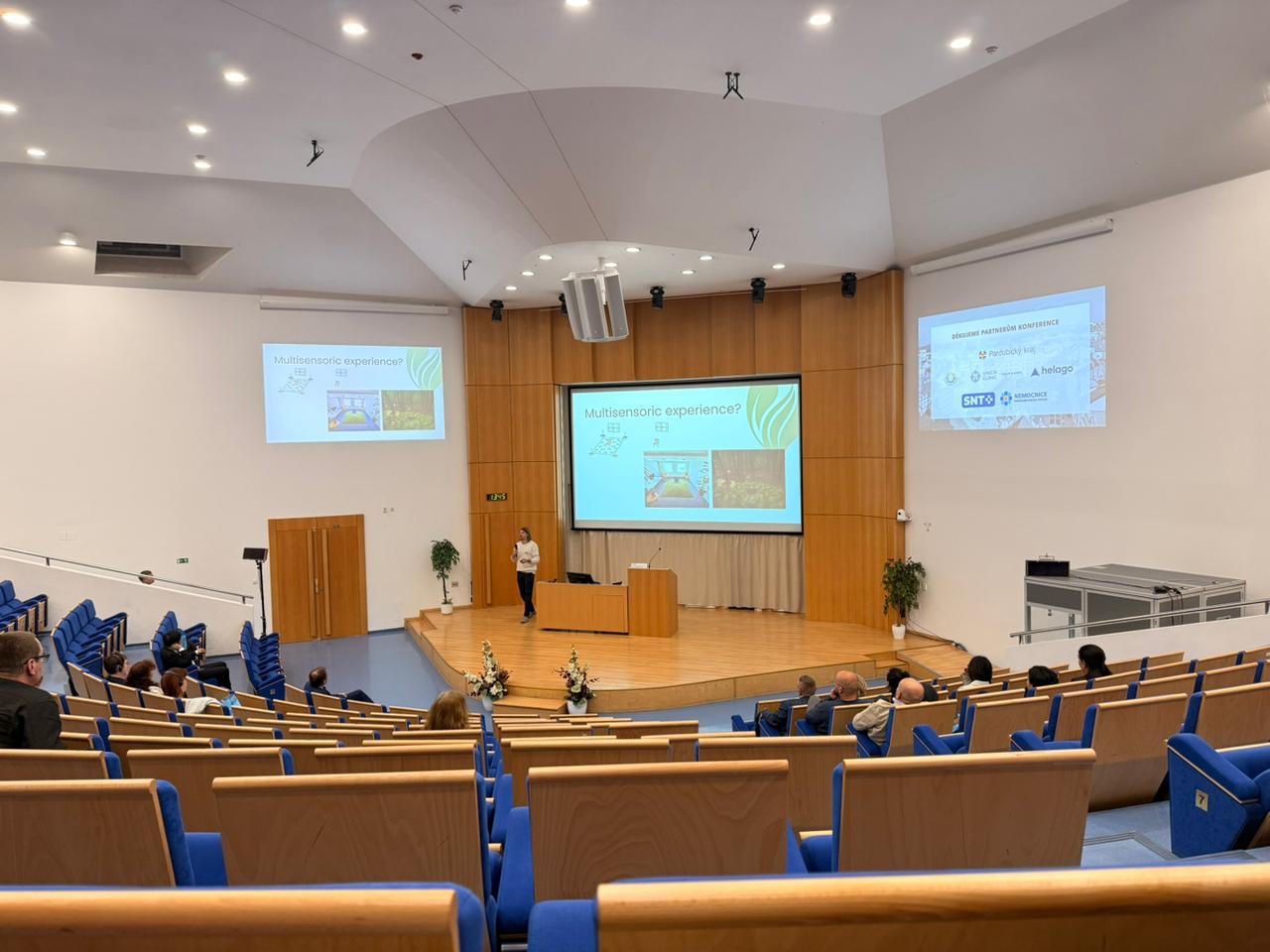

PARDUBICE, Czech Republic – International collaboration has become an increasingly important component in advancing healthcare research and strengthening evidence based nursing practice worldwide. Recognizing the importance of global academic engagement, representatives from Indonesia participated in the 9th International Conference held in Pardubice, Czech Republic on 15–16 April 2026. The activity brought together approximately 100 participants from various countries, including researchers, lecturers, healthcare professionals, and international academic partners working in the fields of nursing, health promotion, and public health.
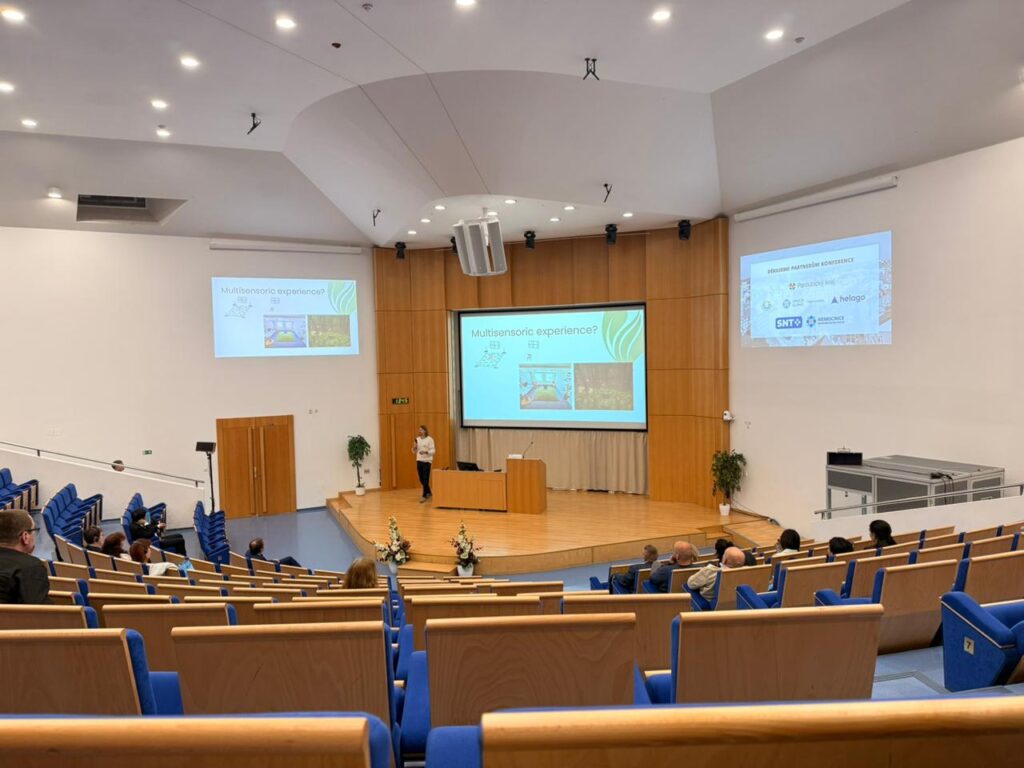
The conference served as an important platform for sharing scientific knowledge, discussing emerging healthcare challenges, and strengthening collaborative partnerships between institutions from different countries. In addition to attending scientific sessions, the delegation also played an active role in guiding and assisting international partners throughout the conference activities to ensure smooth coordination, communication, and participation among attendees.
One of the central focuses of the activity was the discussion regarding future collaborative research in pain management, particularly within nursing and community health contexts. Pain management continues to be a major global healthcare concern because untreated or poorly managed pain may significantly affect quality of life, emotional well being, and patient recovery outcomes. Through collaborative discussions with international experts, participants explored opportunities for future interdisciplinary studies that may contribute to improving pain assessment, patient centered care, and evidence based pain interventions.
The activity involved collaboration with the Faculty of Health Studies, University of Pardubice, including Assoc. Prof. Petra Mandysova, RN, MSN, PhD, who is internationally recognized for her expertise in pain management research and nursing education. Discussions with international academic participants also emphasized the importance of cultural sensitivity, patient communication, and global cooperation in addressing healthcare challenges that continue to evolve across countries and healthcare systems.
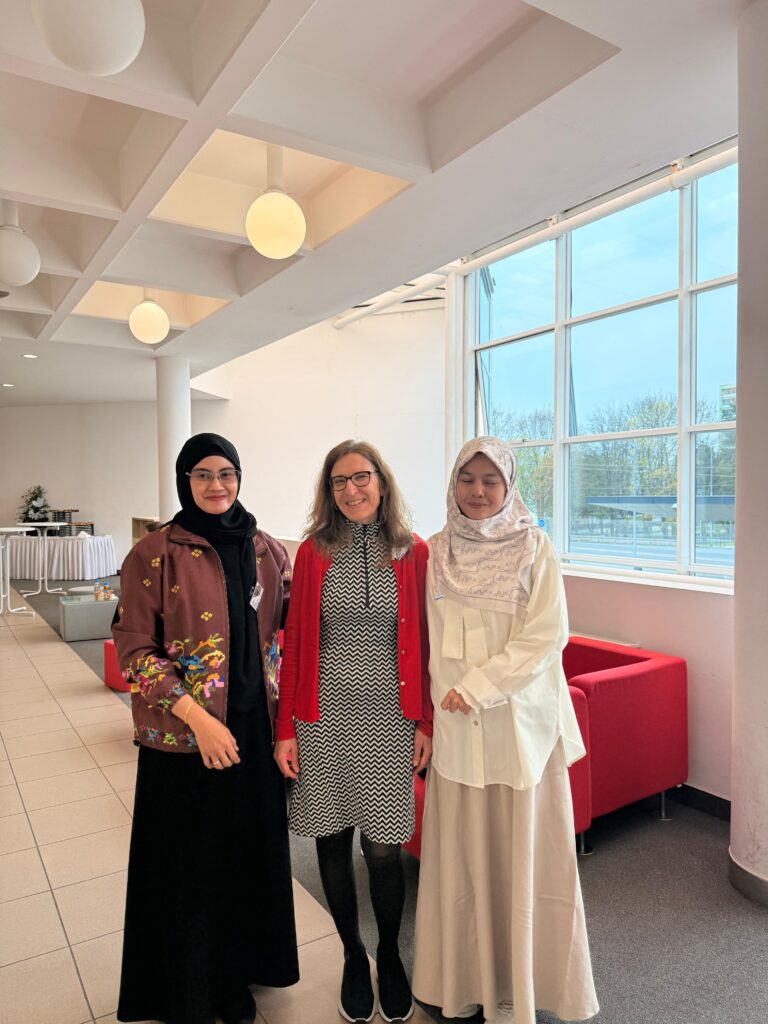
Beyond scientific discussions, the conference also provided opportunities to strengthen professional networking and institutional collaboration. Participants exchanged experiences regarding healthcare education systems, research methodologies, digital health innovation, and strategies for improving nursing practice within both clinical and community settings. These interactions created valuable opportunities for future joint research, academic exchange, and international publication initiatives.
This international activity strongly supports SDG 4: Quality Education by promoting lifelong learning, scientific exchange, and international academic capacity building among healthcare professionals and researchers. Participation in global scientific forums allows academics and practitioners to continuously improve their competencies and remain updated with current evidence based healthcare developments.
The conference also contributes to SDG 3: Good Health and Well Being, particularly through collaborative discussions related to pain management research and patient centered healthcare approaches. Strengthening international research collaboration may help improve healthcare quality, clinical outcomes, and patient well being globally.
In addition, the activity reflects the strong spirit of SDG 17: Partnerships for the Goals through international collaboration between universities, researchers, healthcare professionals, and global academic institutions. Sustainable healthcare innovation increasingly depends on strong partnerships that encourage knowledge sharing and collaborative problem solving across countries.
Furthermore, improving healthcare research and professional competencies may indirectly contribute to SDG 1: No Poverty by supporting stronger healthcare systems and improving community health outcomes, which are closely linked to social and economic productivity.
As healthcare challenges continue to become more globalized, activities such as this international conference demonstrate the importance of cross border collaboration in advancing nursing science, strengthening professional relationships, and developing innovative solutions for future healthcare needs.