

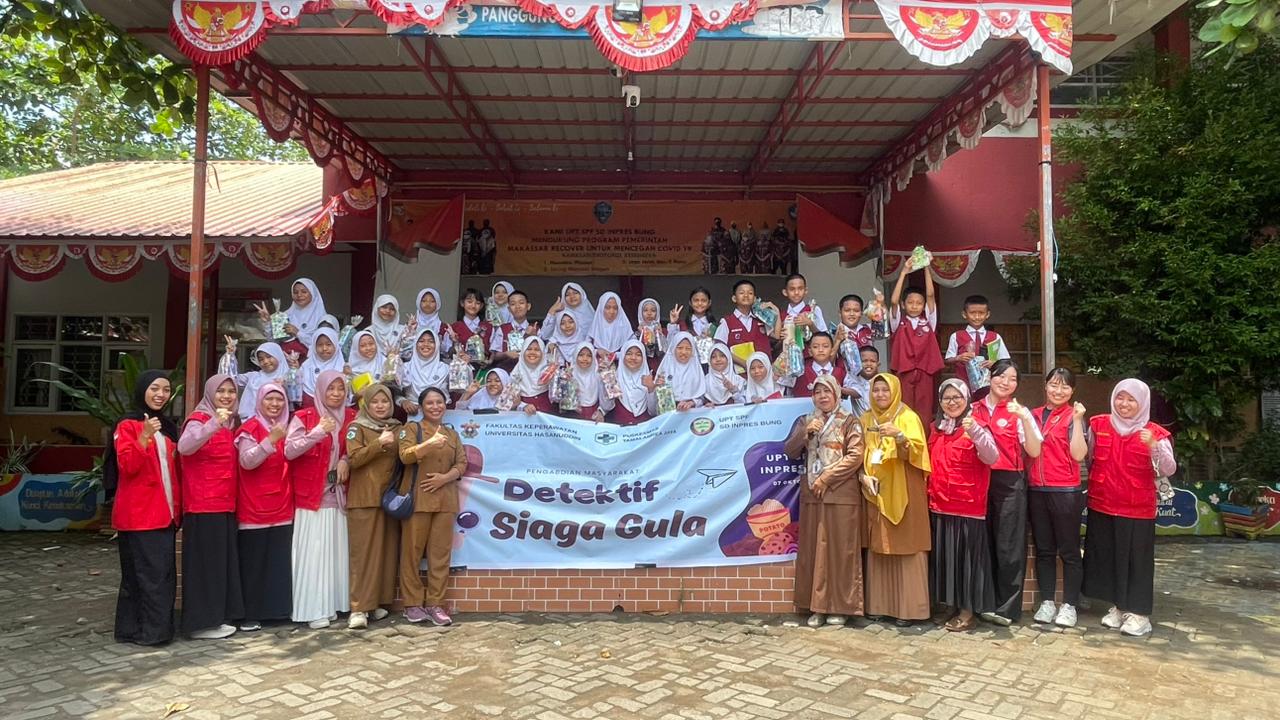

Makassar – As part of the commitment to community engagement and preventive health promotion, lecturers from the Community Nursing Department, Faculty of Nursing, Hasanuddin University, conducted an educational outreach program entitled “Detektif Siaga Gula” at SD Inpres Bung, Makassar City, on October 7, 2025. The initiative involved nursing students as facilitators and learning companions in delivering interactive nutrition education to elementary school students. Designed as a school-based health promotion activity, the program aimed to improve nutrition literacy among children through practical sugar detection training while encouraging healthier snack consumption habits through UKS-based educational approaches.
The activity involved 30 students from grades 5 and 6 who actively participated in a series of hands-on educational sessions focused on recognizing excessive sugar content in commonly consumed snacks and beverages. Rather than relying solely on conventional lectures, the program adopted a participatory learning model that encouraged students to directly observe, analyze, and discuss the nutritional composition of packaged foods frequently found in their daily environment. Through practical demonstrations, students learned how to interpret nutrition labels, estimate sugar quantities visually, and identify healthier snack alternatives.
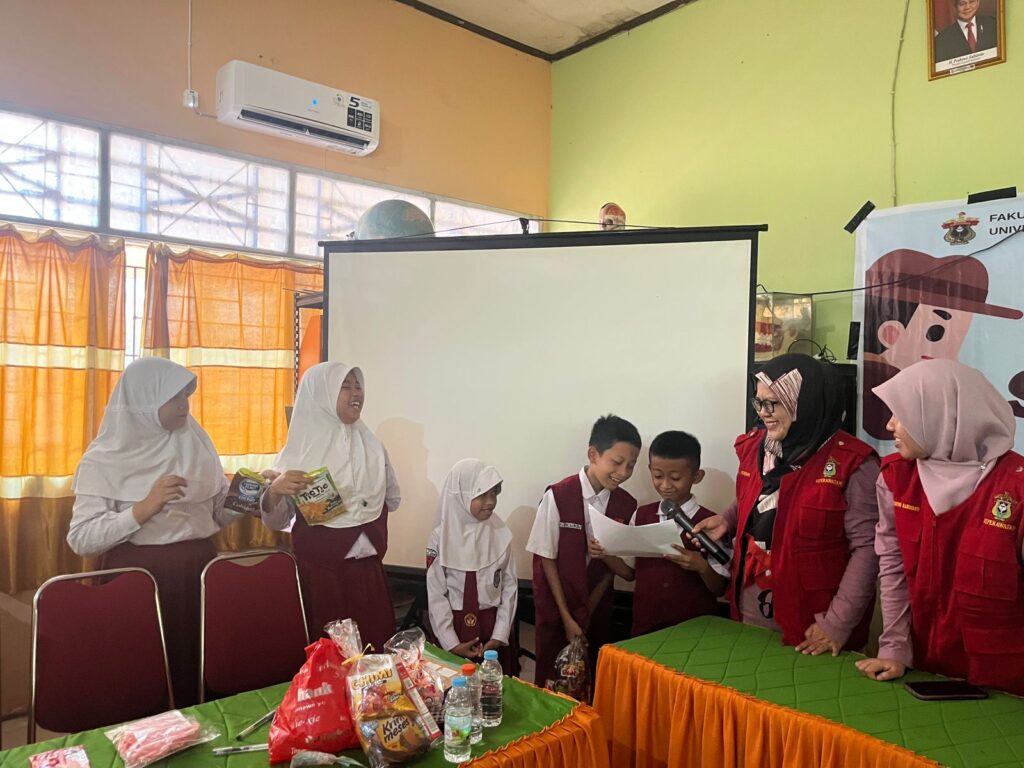
The initiative was developed in response to the growing concern regarding unhealthy dietary patterns among school-aged children, particularly the increasing consumption of high-sugar snacks and beverages that may contribute to obesity, diabetes mellitus, and other non-communicable diseases later in life. By introducing nutrition education in a simple, engaging, and evidence-informed manner, the program sought to cultivate critical awareness among children regarding the relationship between food choices and long-term health outcomes.
During the implementation process, lecturers and student facilitators guided participants through collaborative games, group discussions, and practical sugar detection exercises using real food products commonly sold around schools. Students demonstrated strong enthusiasm throughout the activity, especially when comparing sugar levels among popular snacks and discovering how excessive sugar intake can affect the human body. The learning atmosphere encouraged curiosity, active participation, and peer interaction, allowing health messages to be delivered more effectively and memorably.
The program also served as a valuable experiential learning opportunity for nursing students, namely Nurayina Dar and Azzahrah Dzahabiyah, who were directly involved in assisting educational sessions and facilitating student engagement activities. Through this involvement, students gained practical experience in community-based health promotion, communication strategies, and child-centered educational approaches. The activity was further strengthened through collaboration with international partners Himari Myoi and Yuriko Wada, whose participation enriched the initiative through intercultural exchange and global perspectives on healthy lifestyle education and child health promotion.
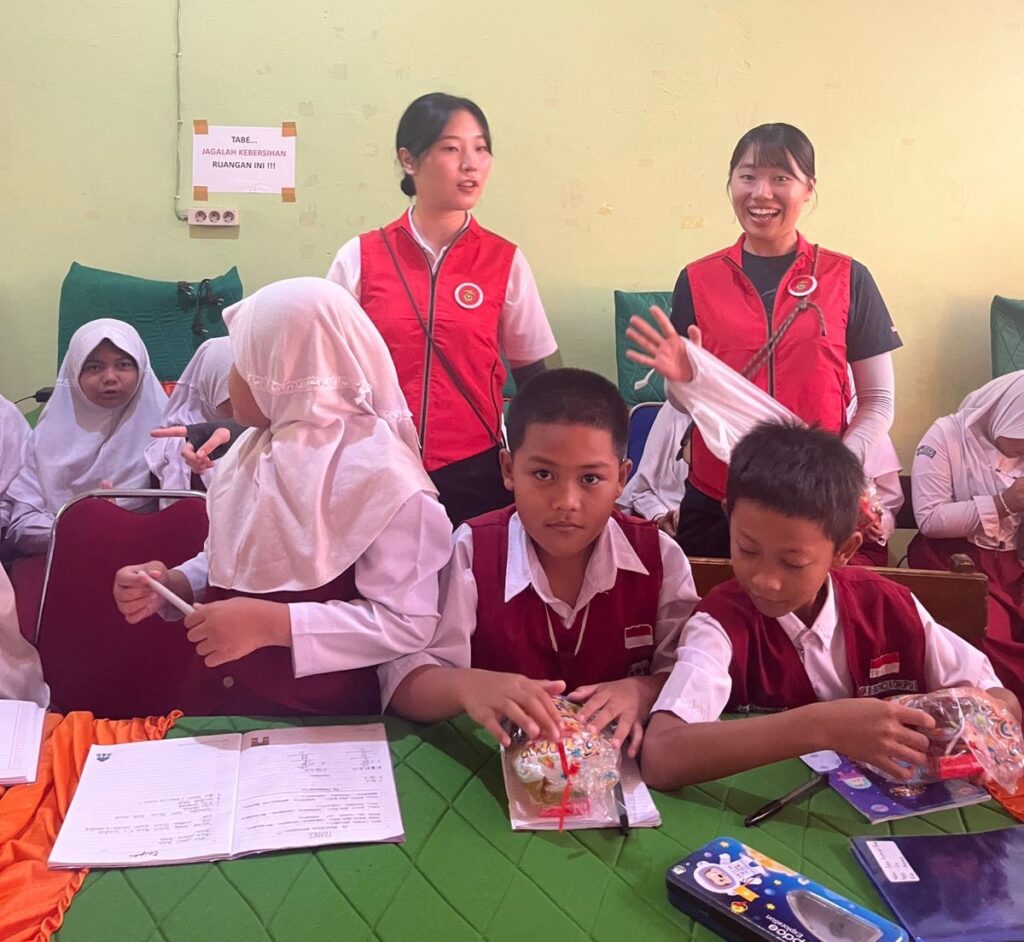
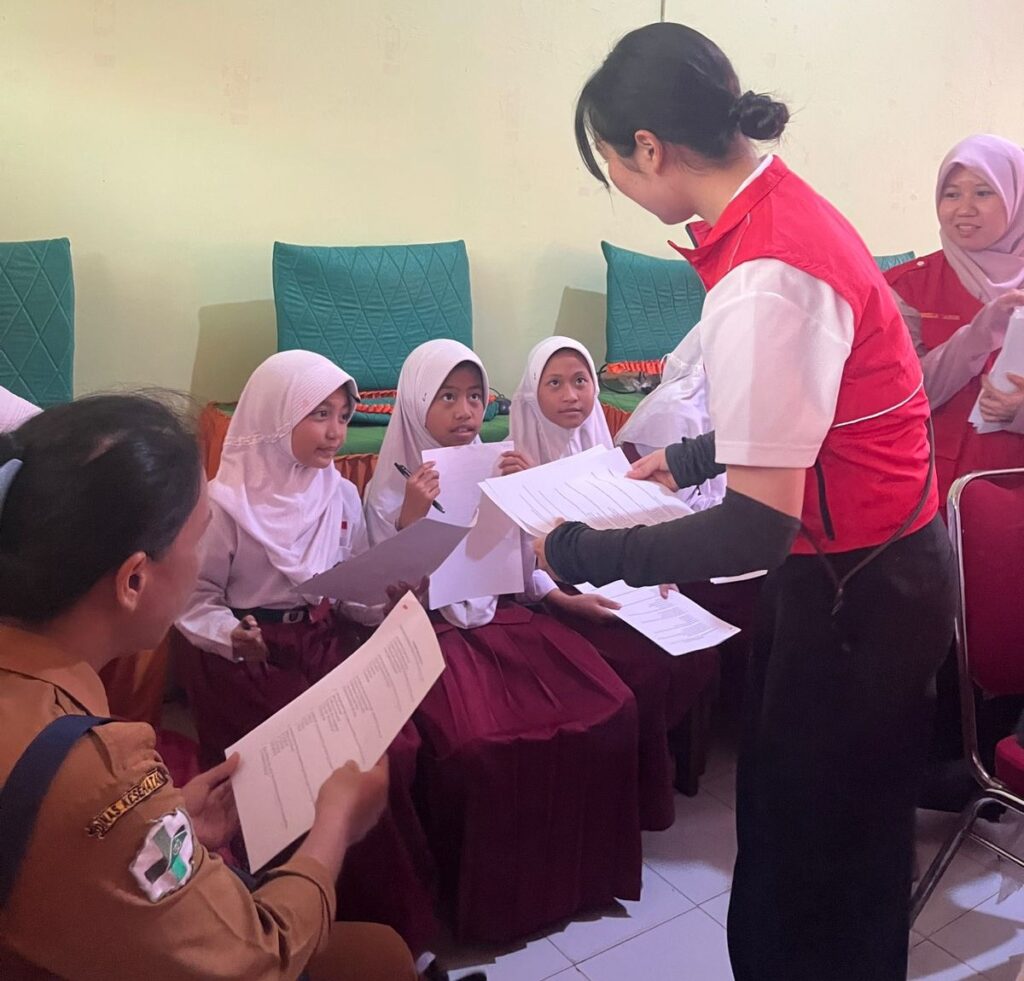

The program also served as a valuable experiential learning opportunity for nursing students, namely Nurayina Dar and Azzahrah Dzahabiyah, who were directly involved in assisting educational sessions and facilitating student engagement activities. Through this involvement, students gained practical experience in community-based health promotion, communication strategies, and child-centered educational approaches. The activity was further strengthened through collaboration with international partners Himari Myoi and Yuriko Wada, whose participation enriched the initiative through intercultural exchange and global perspectives on healthy lifestyle education and child health promotion.
This community engagement initiative strongly aligns with several Sustainable Development Goals (SDGs), particularly SDG 1: No Poverty, SDG 3: Good Health and Well-being, SDG 4: Quality Education, and SDG 17: Partnerships for the Goals. By improving children’s nutrition literacy and promoting preventive health behaviors, the program contributes to reducing future health burdens and supporting healthier, more productive generations. Furthermore, the collaboration between academic institutions, schools, international partners, and students demonstrates the importance of multi-sector partnerships in advancing sustainable public health education.
Ultimately, “Detektif Siaga Gula” demonstrates how interactive and practical health education can become an effective approach to empowering children with essential nutritional knowledge. Through meaningful collaboration between lecturers, students, schools, and international partners, the program contributes to building healthier school environments and strengthening community awareness regarding healthy eating behaviors among children.


