
Makassar, Indonesia 07 May 2026/FCVC/-For many rice farmers in Indonesia, farming is not only about planting and harvesting. It is also about making the right decisions at the right time. Farmers need to know when prices rise, where to sell their products, and how to respond to changing market conditions. Without accurate information, farmers can face low prices, unstable income, and greater economic risks.This issue is explored in the study titled “Determinants of Paddy Farmers’ Market Information-Seeking Behavior in Soppeng District, Indonesia as Implications for Adaptive Decision Making toward Sustainable Agriculture,” published in the Asian Journal of Agriculture by Smujo International on 28 April 2026.
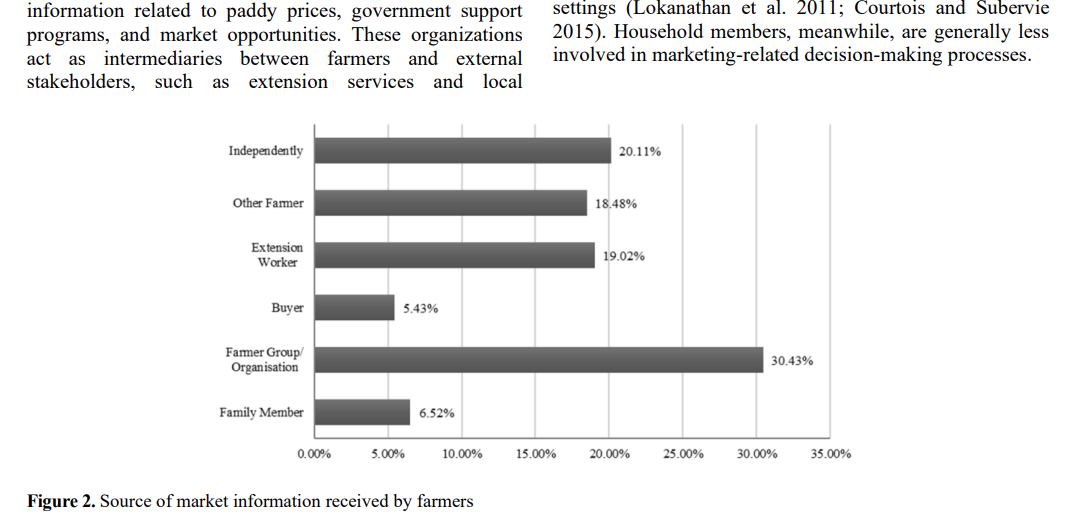
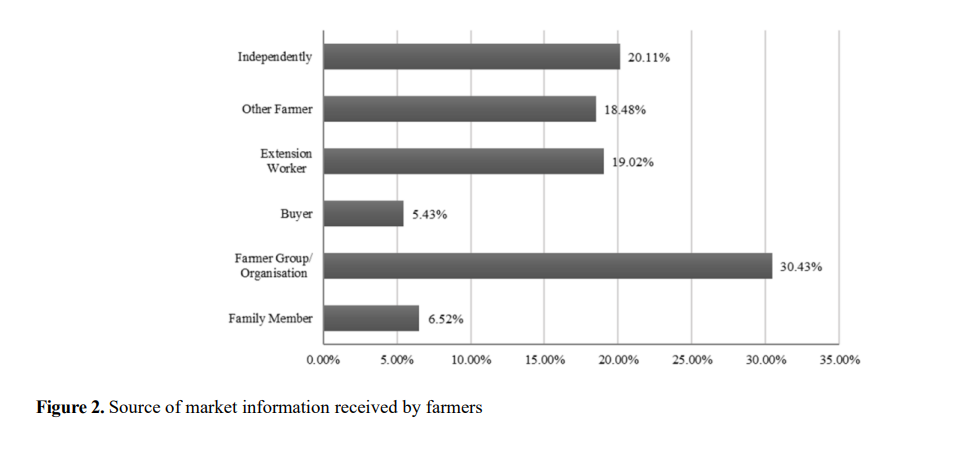
The research highlights that market information is essential for helping farmers make adaptive and sustainable decisions. Farmers who actively seek information about prices, demand, and market conditions are generally better prepared to manage risks and improve their income. However, not all farmers have the same ability or motivation to search for information. The study found that farmer groups are the main source of market information, used by about 30% of respondents (page 6). Farmers also receive information from extension workers, fellow farmers, television, and digital platforms. This shows that social networks and community organizations remain very important in rural agricultural systems.
One important finding is that education significantly influences farmers’ willingness to seek market information (page 8). Farmers with higher education levels are more confident in understanding market changes and using information to improve their farming strategies. This directly supports SDG 4: Quality Education, which emphasizes the importance of knowledge and learning opportunities for sustainable development. Better education helps farmers become more independent and adaptive in facing economic uncertainty. The research also relates closely to SDG 1: No Poverty. Access to market information can help farmers negotiate better prices, reduce dependence on middlemen, and improve household income. Farmers who understand market trends are more likely to make profitable selling decisions. In contrast, farmers who lack information often remain vulnerable to price manipulation and unstable earnings.
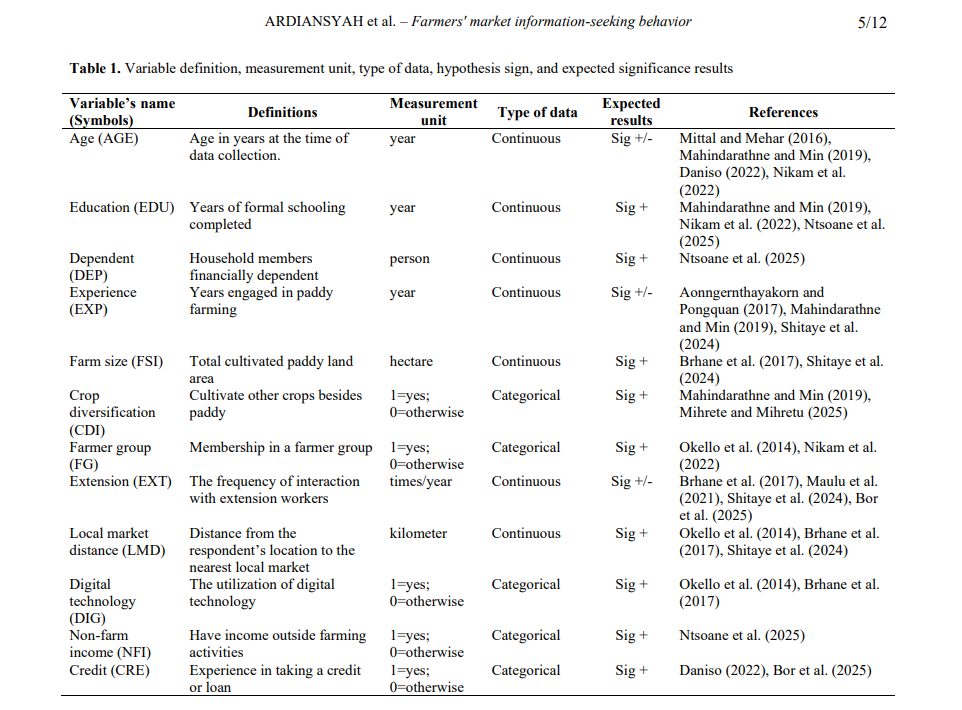
Another important aspect is inequality in information access. The study explains that older farmers and those with long farming experience are less likely to actively search for market information because they rely more on traditional knowledge and habits (page 7). Meanwhile, farmers with better education, access to credit, and stronger institutional support are more active in seeking information. This reflects the challenges addressed in SDG 10: Reduced Inequalities. Differences in education, infrastructure, and access to technology can create unequal opportunities among farmers.
The research also highlights the importance of extension workers and farmer organizations in reducing these gaps. Extension services not only provide technical guidance but also encourage farmers to become more market-oriented and proactive. Strengthening local institutions and improving digital literacy can help ensure that all farmers benefit from agricultural information systems.
In conclusion, sustainable agriculture is not only about seeds, fertilizer, or technology. It is also about information and the ability to use it wisely. The study demonstrates that market information plays a crucial role in helping farmers adapt to uncertainty and improve their livelihoods. Supporting SDG 1, SDG 4, and SDG 10 means creating a farming system where knowledge, opportunity, and economic benefits are accessible to all farmers, not only to a few.
Reference:
DOI: https://doi.org/10.13057/asianjagric/g100152
Contact:
Prof. Rahim Darma
+62 852-5564-6556
rdarma@unhas.ac.id