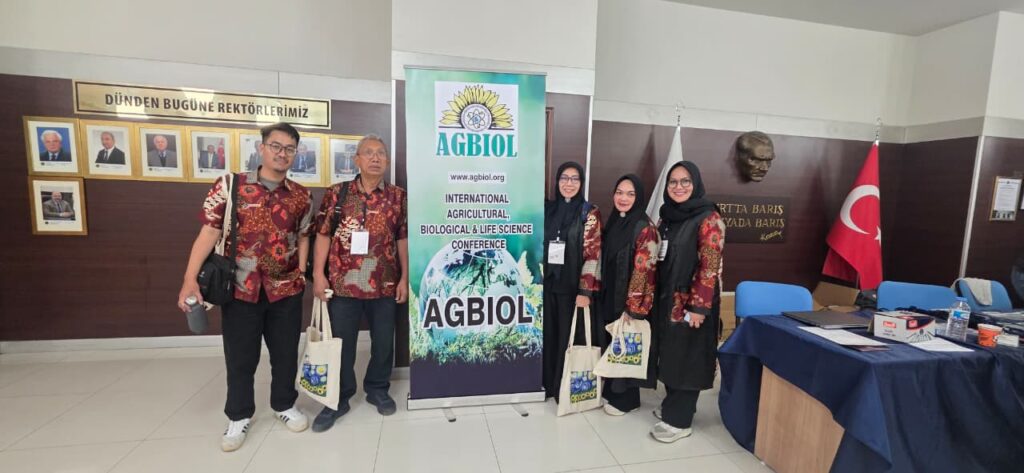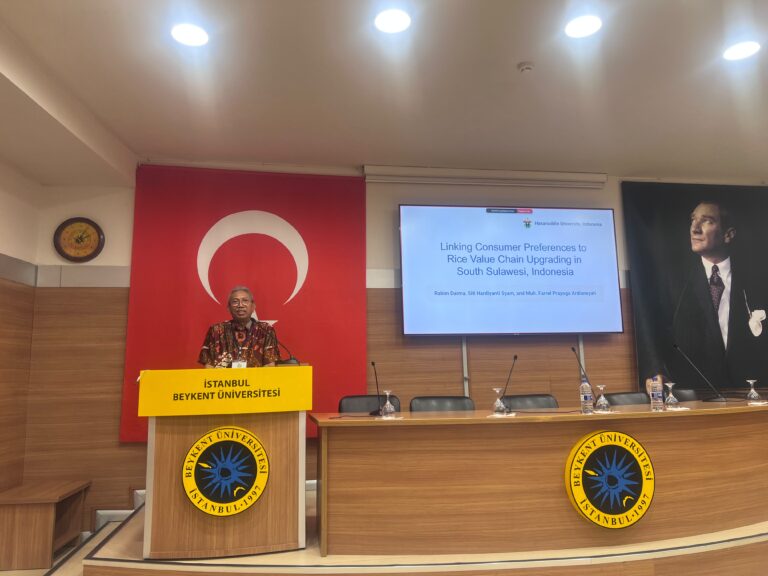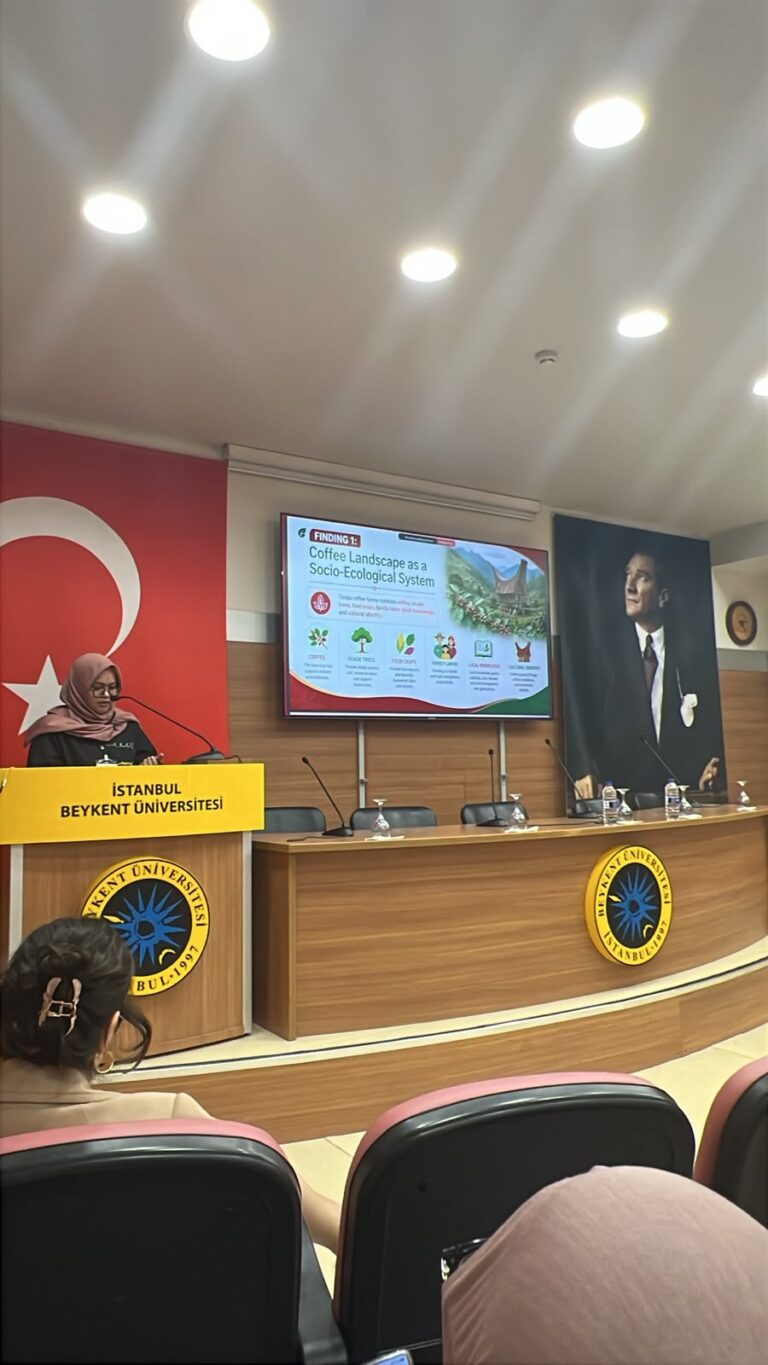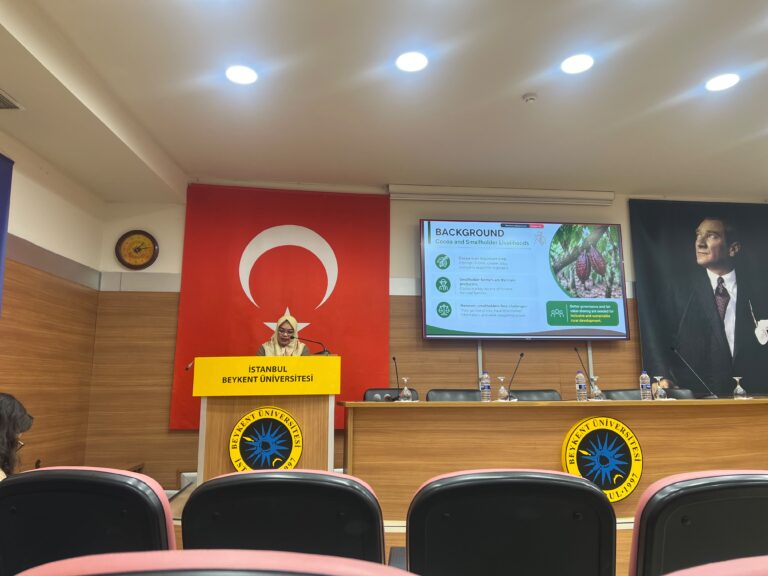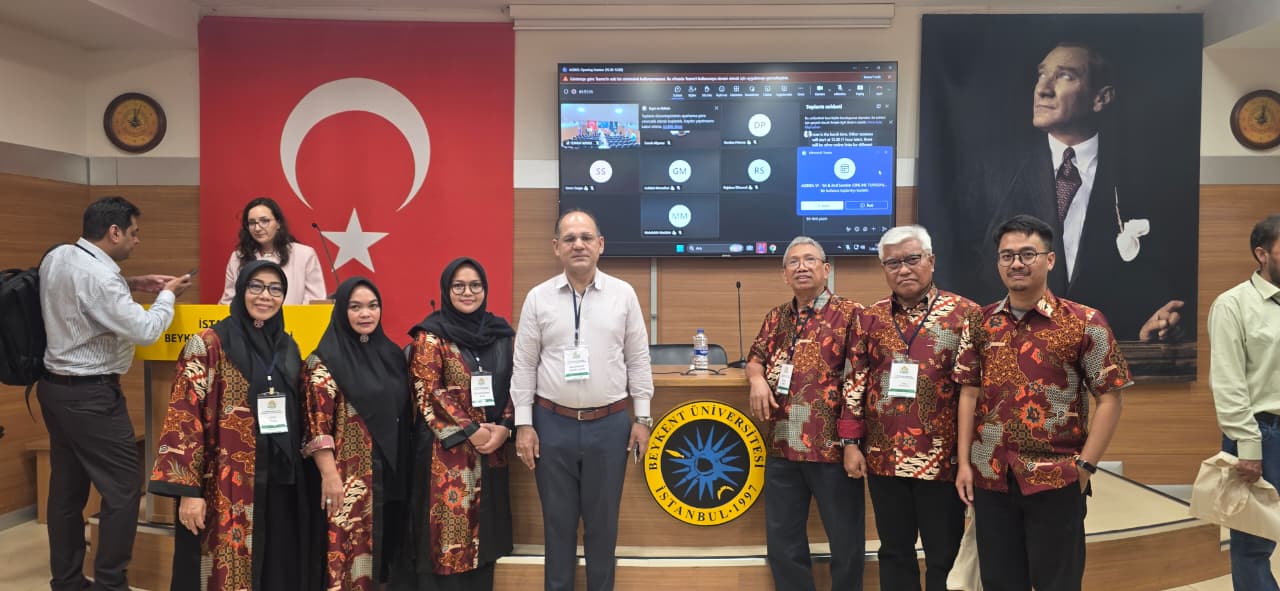

The Food Crops Value Chain Research Group participated in the VIII International Agricultural, Biological and Life Sciences Conference (AGBIOL 2026), held on 6–9 September 2026 in Istanbul, Türkiye. Through research presentations and engagement with the international scientific community, the group demonstrated its capacity to contribute to global academic discussions while strengthening its understanding of emerging issues across agriculture, food systems, and life sciences. The participation marked an important opportunity to share Indonesian research, learn from international scholars, and build connections that could support future collaborative research.
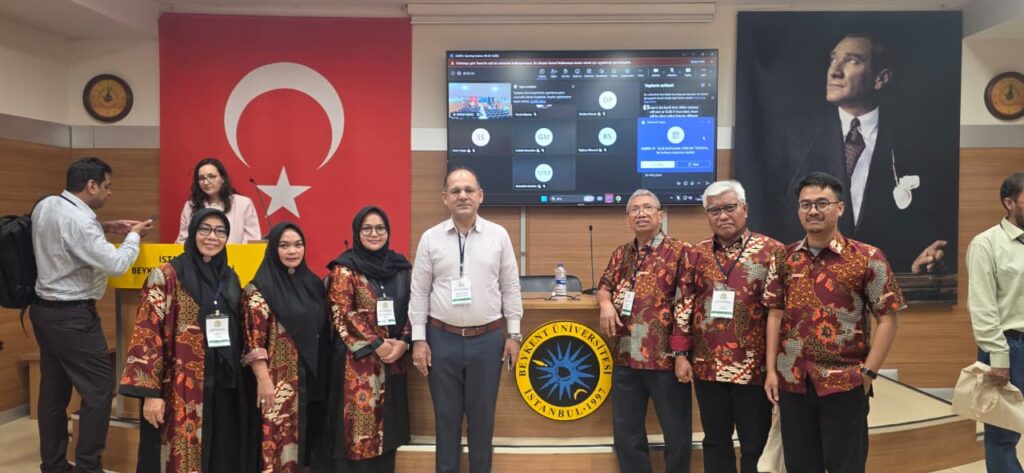
Organized by the International Researcher Association, Istanbul Beykent University, and Trakya University, AGBIOL 2026 brought together researchers from different countries and academic backgrounds. The conference provided a setting for exchanging scientific findings, discussing diverse research approaches, and exploring connections between disciplines. For the research group, participation extended beyond presenting its work. It offered an opportunity to engage with researchers whose expertise and perspectives differed from its own, broadening the group’s understanding of how agricultural research intersects with wider scientific and societal challenges.
An important aspect of the experience was learning from research across agriculture, food science, and the broader life sciences. Understanding these interconnected fields is essential to scientific development because complex challenges rarely fit within a single discipline. Agricultural production, for example, is linked not only to farming practices and markets but also to food quality, human well-being, ecological processes, technological innovation, and social conditions. Exposure to different approaches and perspectives helped reinforce the importance of multidisciplinary thinking in developing more comprehensive research questions and practical solutions. Such exchanges also encourage researchers to reconsider their own work in relation to wider scientific developments.
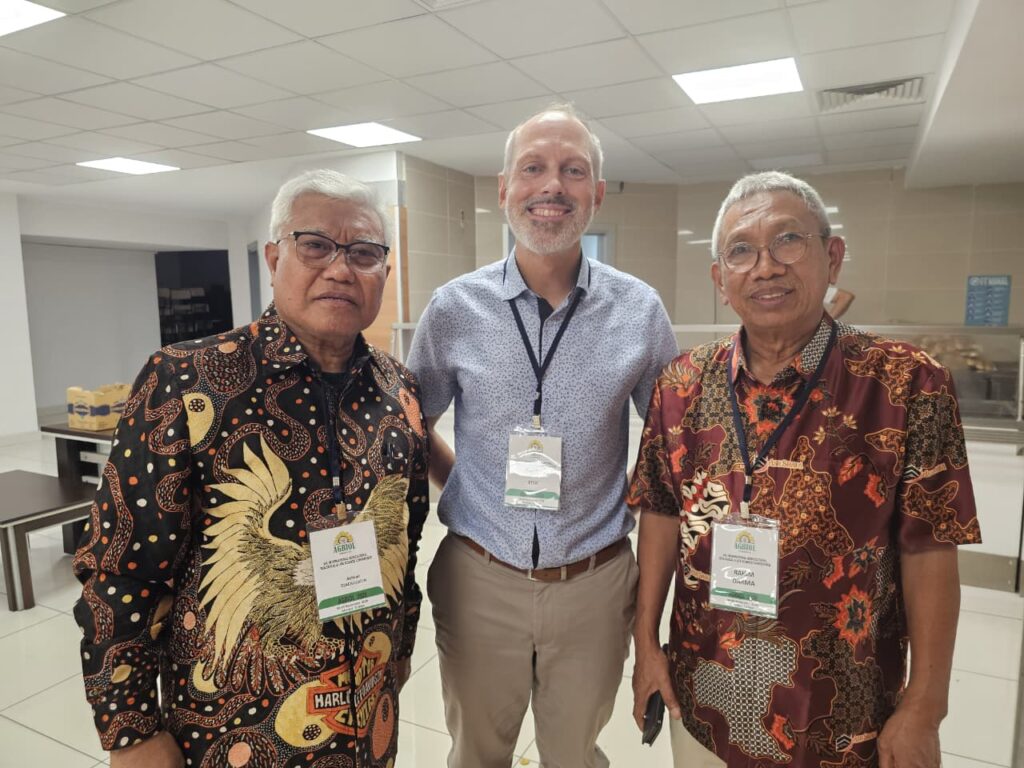
The conference also created opportunities to establish connections with international researchers and identify potential future collaborators. Conversations across disciplines can provide the starting point for joint studies, comparative research, knowledge exchange, and academic publications. These connections are particularly valuable for research on agricultural value chains, which requires an understanding of relationships among producers, markets, consumers, institutions, and environmental systems. By participating in international academic forums, the group can expand its research networks, strengthen the visibility of Indonesian agricultural studies, and explore new approaches to addressing food system challenges.
The activity also relates to the United Nations Sustainable Development Goals, particularly SDG 4: Quality Education, through scientific learning and international knowledge exchange; SDG 9: Industry, Innovation and Infrastructure, through the advancement of research capacity and innovative approaches; and SDG 17: Partnerships for the Goals, through international networking and opportunities for collaborative research. Looking ahead, the Food Crops Value Chain Research Group aims to build on the experience by developing multidisciplinary partnerships, pursuing joint research initiatives, and disseminating findings through scholarly publications. Participation in AGBIOL 2026 reflects the group’s commitment not only to presenting research internationally but also to learning, collaborating, and contributing to the continuing development of science across disciplinary boundaries.