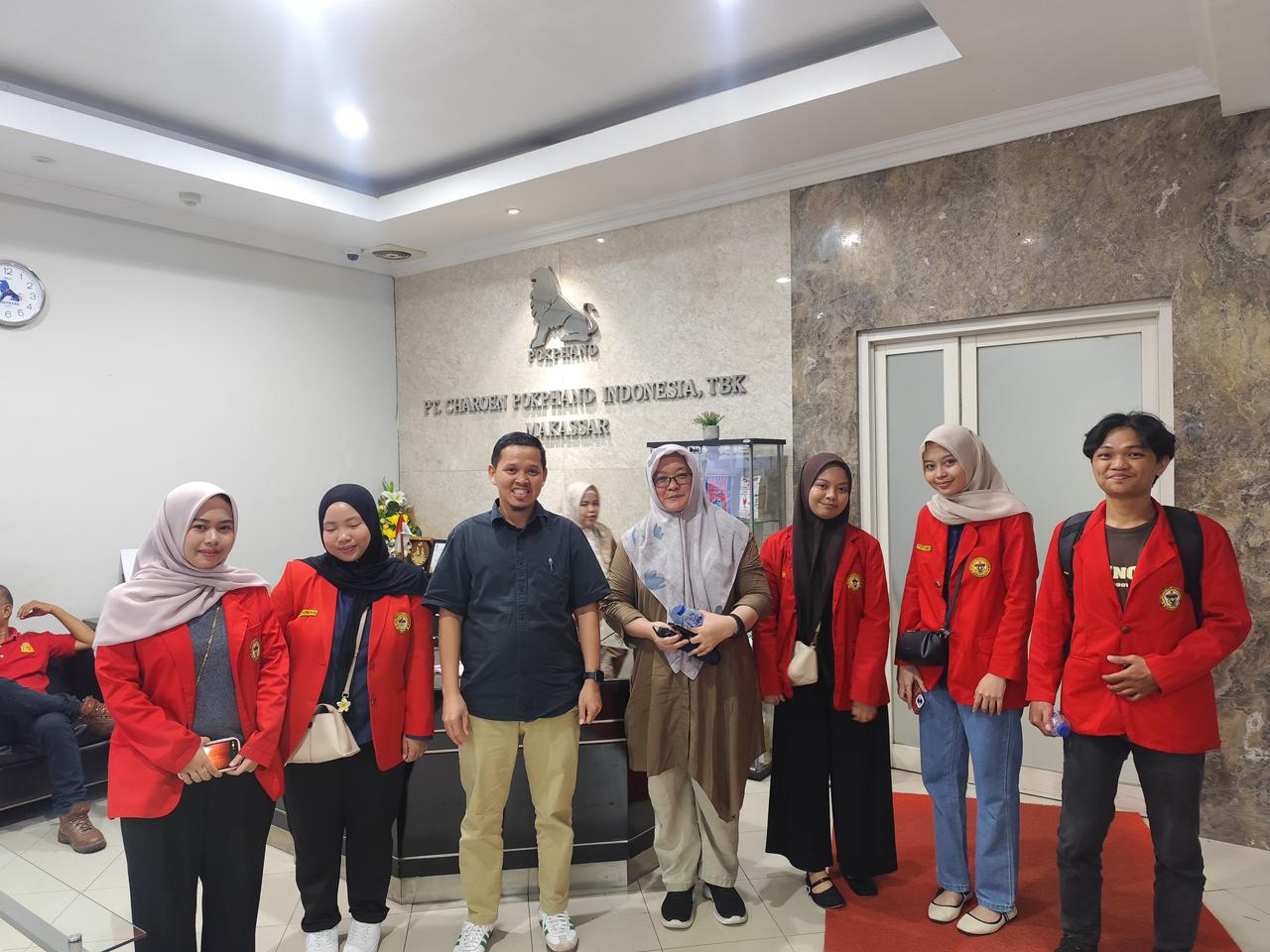

Makassar, Indonesia 10 February 2025/FCVC/-Food Crops Value Chain Research Group (FCVC TRG) conducted an industry visit to PT. Charoen Pokphand Indonesia, Makassar Office on 28 January 2026, as part of an ongoing research initiative on corn supply chains. This activity aimed to deepen understanding through direct discussion and interviews with industry representatives, providing valuable insights into real-world agribusiness practices. The visit involved seven participants, including Ni Made Viantika as a lecturer and representative of the FCVC Research Group, representative of the PT. Charoen Pokphand Indonesia as the main informant, and five agribusiness bachelor students from Hasanuddin University. This combination of academic and practical perspectives created a dynamic learning environment where theoretical knowledge could be directly connected to industry practices.
The discussion focused on several key aspects of the corn supply chain. One of the main topics was how PT. Charoen Pokphand Indonesia manages the procurement of corn as a raw material. The company emphasized the importance of maintaining strict quality standards for its suppliers. Corn must meet specific criteria related to moisture content, cleanliness, and overall quality before being accepted. This highlights the critical role of standardization in ensuring consistency and efficiency within the supply chain.
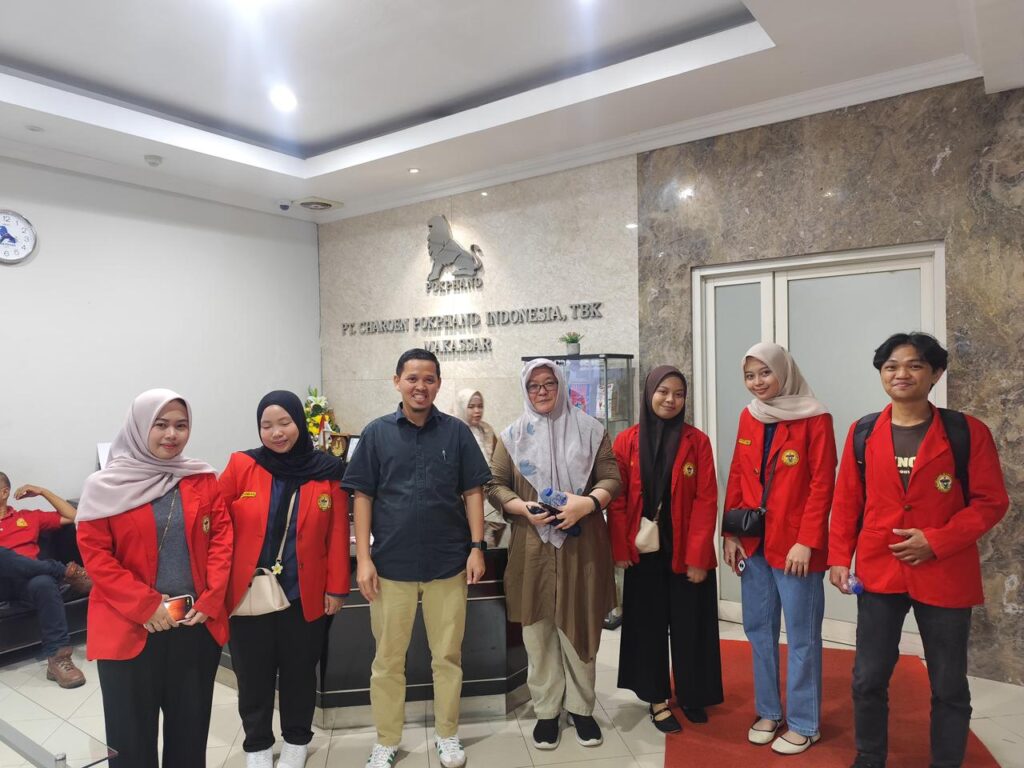
In addition, participants explored the company’s transaction and purchasing system. The company applies structured mechanisms for buying corn from suppliers, including transparent pricing and clear agreements. Another important point discussed was the post-harvest handling process, particularly the drying and quality-checking systems. Proper drying is essential to maintain corn quality and prevent losses, making it a key step in the value chain. The discussion also highlighted the importance of partnerships. PT. Charoen Pokphand Indonesia views collaboration with farmers, collectors, and other stakeholders as essential for maintaining a stable and sustainable supply chain. Strong partnerships help ensure a continuous supply of quality raw materials while also supporting farmers through market access and guidance.
This activity is closely linked to several Sustainable Development Goals (SDGs). First, it supports SDG 4 (Quality Education) by providing students with practical learning experiences outside the classroom. Second, it contributes to SDG 12 (Responsible Consumption and Production) through discussions on quality standards and efficient resource management in the supply chain. Third, it aligns with SDG 16 (Peace, Justice, and Strong Institutions) by emphasizing transparency, accountability, and structured systems in business transactions. Finally, it reflects SDG 17 (Partnerships for the Goals) by highlighting the importance of collaboration between academia, industry, and other stakeholders.
Overall, this visit provided valuable insights into how a leading agribusiness company manages its supply chain while maintaining quality and efficiency. It also strengthened the connection between academic research and industry practice, offering students and researchers a clearer understanding of real-world challenges and opportunities. Such activities play an important role in developing knowledge, fostering collaboration, and supporting sustainable agricultural development.