
Makassar, Indonesia 01 February 2026/FCVC/-Indonesia is one of the world’s largest producers of cinnamon. Yet, surprisingly, its export performance does not always reflect this strength. Why does a country rich in natural resources struggle to fully benefit from global trade? The answer lies not only in production, but in standards, power, and market access. This issue is explored in the article “Standards, Power, and Market Access: A Political Economy Analysis of Non-Tariff Measures and Indonesian Cinnamon Exports,” published in Frontiers in Political Science by Frontiers Media on 29 January 2026 . The study reveals that global trade is no longer just about price and quantity. Instead, it is increasingly shaped by strict regulations known as non-tariff measures, such as food safety standards and technical requirements.
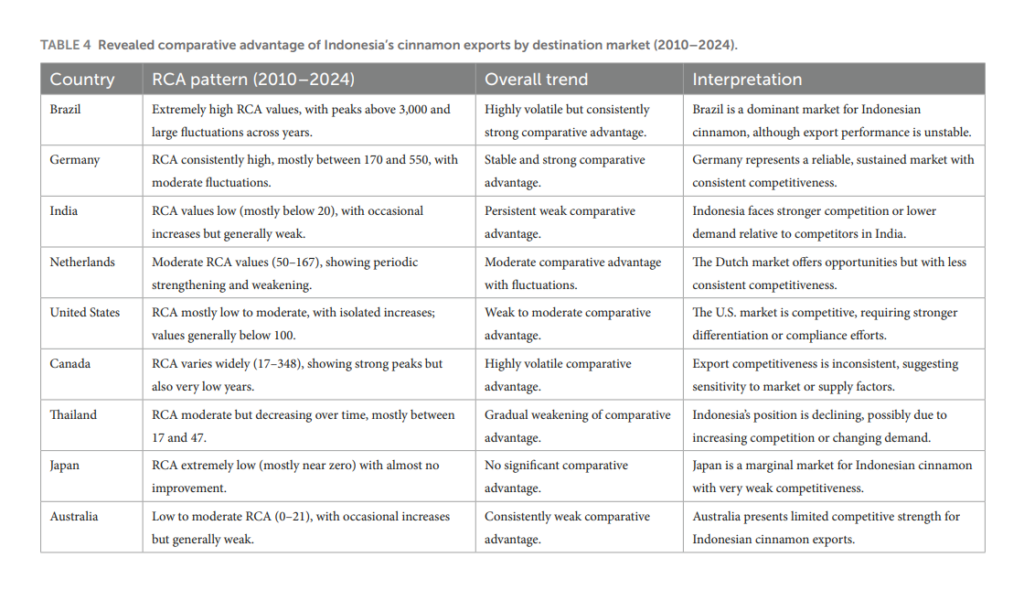
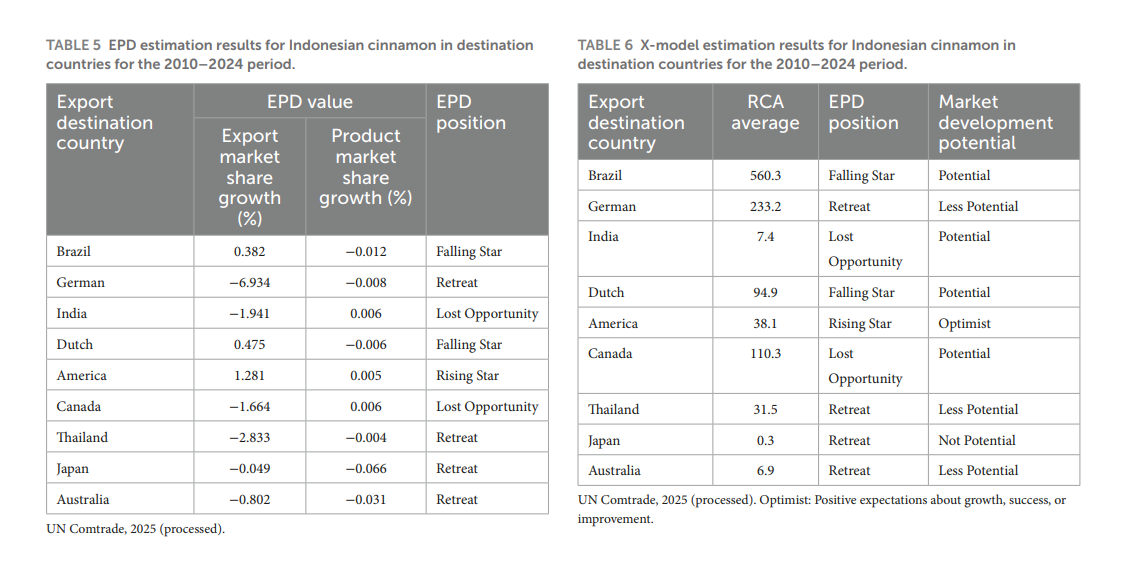
Indonesia mainly exports cassia cinnamon, which is widely used but considered lower in value compared to premium Ceylon cinnamon. As shown in the analysis on page 2, Indonesia faces strong competition not only from other countries but also from changing consumer preferences. Wealthier markets tend to prefer higher-quality, certified products, making it harder for Indonesian cinnamon to compete . One of the biggest challenges comes from Sanitary and Phytosanitary (SPS) standards, which ensure food safety but also act as barriers for small producers. According to the findings, these standards significantly reduce export volumes because many farmers struggle to meet strict requirements such as laboratory testing, traceability, and certification. On the other hand, Technical Barriers to Trade (TBT)—such as labeling and packaging rules—can actually help exports if producers are able to comply. This shows that global standards can both limit and create opportunities .
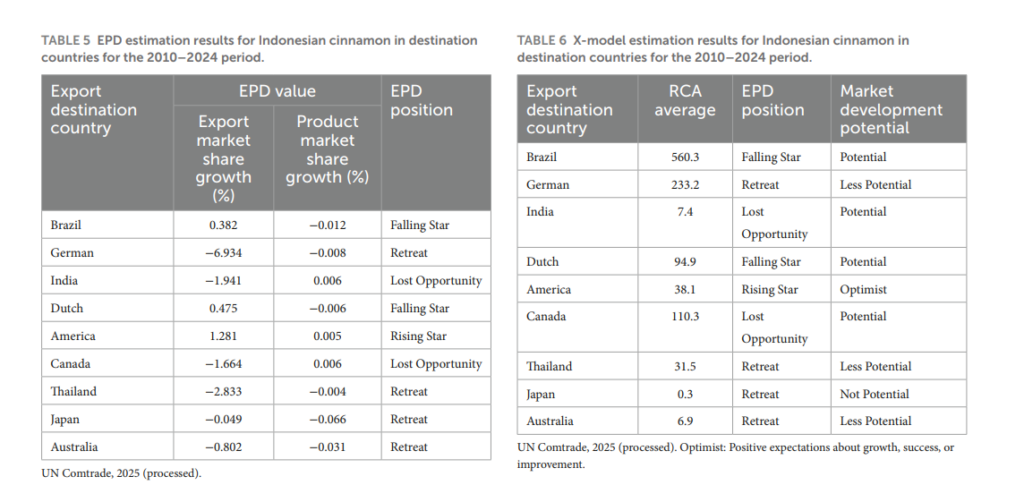
This situation is closely linked to several Sustainable Development Goals (SDGs). First, it relates to SDG 2 (Zero Hunger), as improving agricultural value chains can enhance food production and farmer livelihoods. Second, it supports SDG 4 (Quality Education), since farmers need training and knowledge to meet international standards. Third, it connects to SDG 8 (Decent Work and Economic Growth), as better market access can create jobs and increase income in rural areas. The study also highlights a key insight: Indonesia must shift from a “volume-based” strategy to a “value-based” approach. This means focusing not just on producing more cinnamon, but on improving quality, certification, and branding. As explained in the discussion section (page 12), countries that succeed in global markets are those that adapt to changing standards and consumer demands, not just those that produce the most .
In conclusion, the story of Indonesian cinnamon is not just about agriculture—it is about strategy. In today’s global economy, success depends on the ability to meet standards, build trust, and create value. By investing in education, innovation, and collaboration, Indonesia can transform its cinnamon sector into a more competitive and sustainable industry for the future.
Reference:
DOI: https://doi.org/10.3389/fpos.2025.1692028
Contact:
Prof. Rahim Darma
+62 852-5564-6556
rdarma@unhas.ac.id