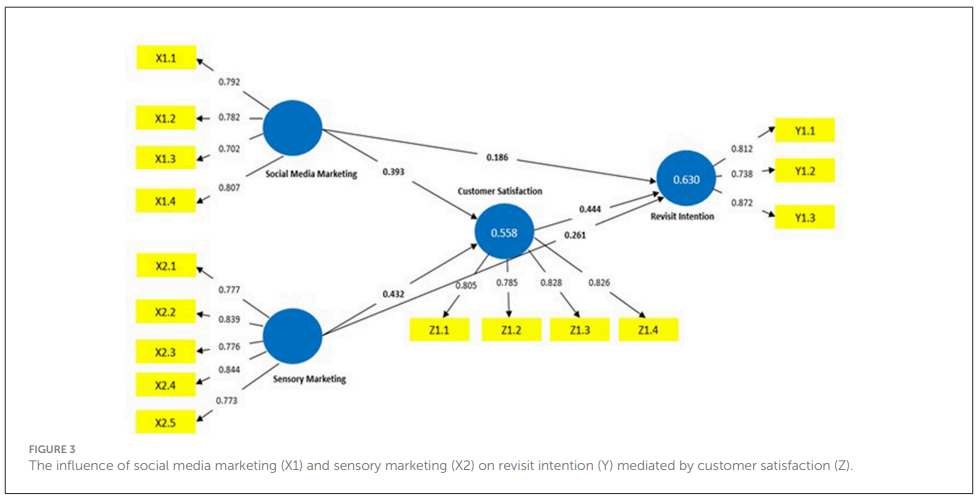

Makassar, Indonesia 27 January 2026/FCVC/-Have you ever wondered why some restaurants make you want to return again and again? It turns out, it’s not just about the food. A recent study reveals that a mix of digital engagement and sensory experience plays a powerful role in shaping customer loyalty—especially in Korean-themed restaurants. This insight comes from the article “Exploring Drivers of Customer Loyalty in Themed Korean Cuisine: Insights from the Developing Korean Restaurant Industry in Makassar, Indonesia,” published in Frontiers in Communication by Frontiers Media on 20 January 2026 . The research explores how social media and in-store experiences work together to influence customer satisfaction and encourage repeat visits.
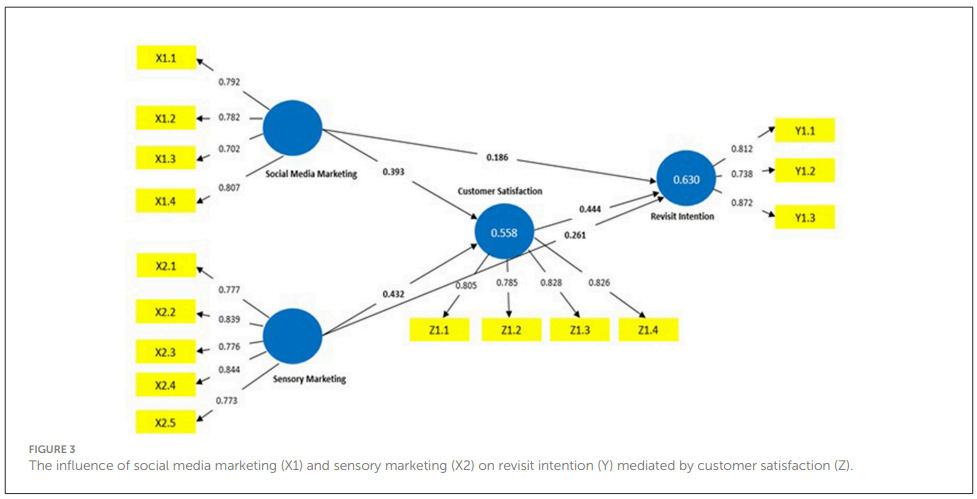
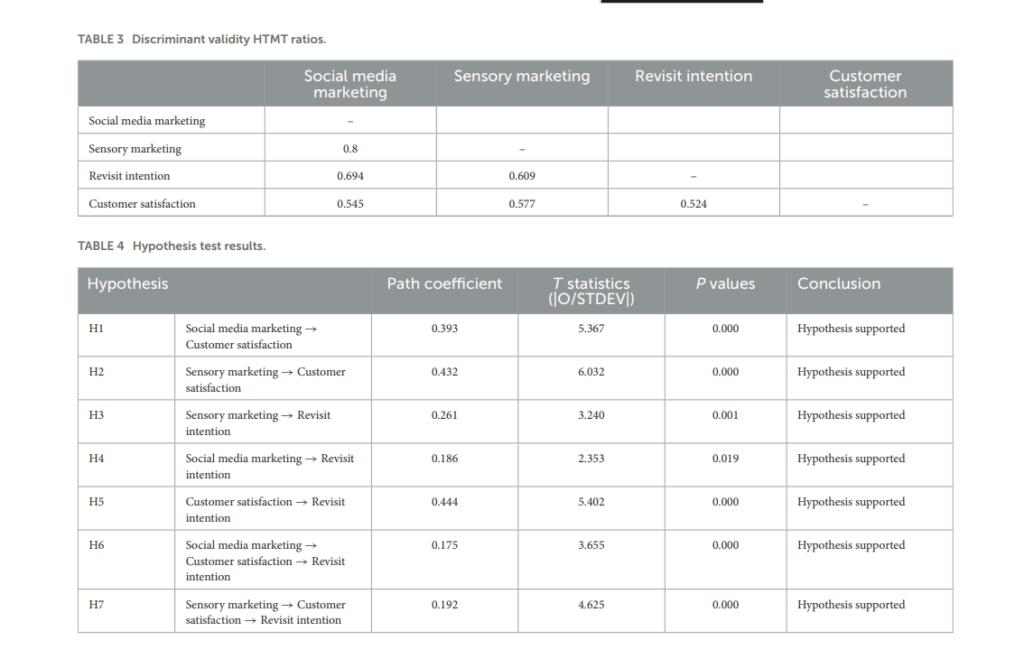
Korean restaurants in Makassar are more than just places to eat—they are immersive cultural spaces. As explained in the study, these restaurants combine food, music, décor, and atmosphere to create a complete sensory experience. This reflects a global trend where dining is no longer just about taste, but about memorable and meaningful experiences. The study found that sensory marketing—such as food aroma, interior design, and comfort—has the strongest influence on customer satisfaction. Meanwhile, social media marketing plays a key role in shaping expectations before customers even visit. When what people see online matches what they experience in real life, satisfaction increases, and so does the likelihood of returning.
This finding is strongly connected to several Sustainable Development Goals (SDGs). First, it supports SDG 4 (Quality Education) by promoting knowledge sharing and innovation in business strategies, helping entrepreneurs understand customer behavior better. It also relates to SDG 12 (Responsible Consumption and Production), as restaurants are encouraged to provide high-quality, efficient, and sustainable services that minimize waste and maximize customer value. By creating meaningful experiences rather than excessive consumption, businesses can promote more responsible consumer behavior. In addition, the growth of Korean restaurants in Makassar reflects the influence of global culture, especially the Korean Wave (Hallyu), which has increased demand for culturally immersive dining experiences . These restaurants act as “micro-destinations,” where people not only eat but also engage socially and culturally.
However, the study also highlights a key challenge: many businesses fail to align their online marketing with real-life service quality. Overpromising on social media without delivering a matching experience can reduce satisfaction and weaken customer loyalty. In conclusion, the success of Korean restaurants lies in balancing digital and physical experiences. By combining engaging online communication with authentic, sensory-rich environments, businesses can create lasting impressions. This approach not only strengthens customer loyalty but also contributes to more sustainable and responsible consumption patterns in the modern food industry.
Reference:
DOI: https://doi.org/10.3389/fcomm.2025.1740448
Contact:
Prof. Rahim Darma
+62 852-5564-6556
rdarma@unhas.ac.id