
Makassar, Indonesia 02 March 2026/FCVC/-In many parts of the world, farmers are facing a growing challenge: water is becoming scarce. Climate change, especially extreme events like El Niño, has made rainfall unpredictable and farming more difficult. But innovation does not always mean expensive technology. Sometimes, simple and affordable solutions can make a big difference. A recent study titled “Development of a Low-Cost Timer-Based Drip Irrigation System for Sustainable Waxy Corn Cultivation in El Niño-Prone Regions,” published in Open Agriculture by De Gruyter on 18 February 2026, highlights how smallholder farmers in Indonesia are adapting to these challenges . The research focuses on a practical irrigation system designed to save water, reduce labor, and maintain crop productivity.
The system works by delivering water directly to plant roots using a timer-based drip mechanism. Unlike traditional irrigation methods that often waste water through evaporation and runoff, this system uses water more efficiently. According to the findings, it achieved a water-use efficiency of 3.87 kg/m³, which is considered “good to outstanding” for agricultural productivity . Even during severe drought conditions caused by El Niño, farmers were able to maintain stable yields.
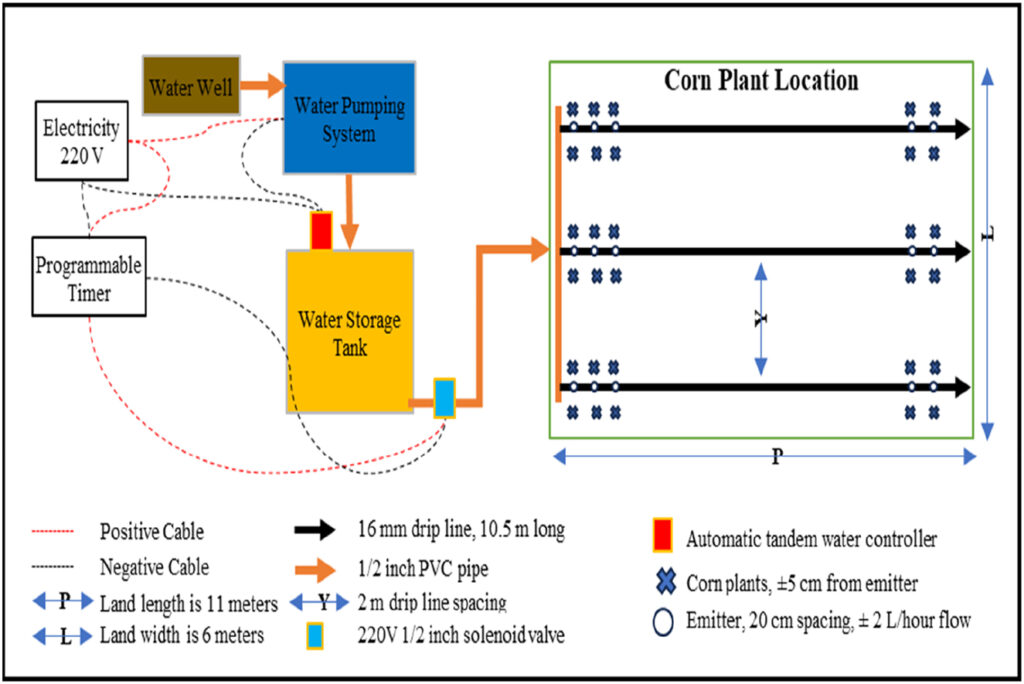
What makes this innovation particularly powerful is its accessibility. Many advanced irrigation technologies rely on sensors, internet connectivity, and high costs—barriers that small farmers cannot easily overcome. This system, however, uses simple components such as a timer, water tank, and drip lines. It is affordable and easy to operate, allowing farmers to adopt it without needing advanced technical knowledge. In fact, the study found that the investment cost could be recovered in just 1.4 planting cycles, making it economically viable for rural communities .
This innovation directly supports several Sustainable Development Goals (SDGs). First, it contributes to SDG 1 (No Poverty) by increasing farmers’ income and reducing financial risk. Second, it aligns with SDG 3 (Good Health and Well-being) by ensuring stable food production, which is essential for nutrition. Third, it supports SDG 4 (Quality Education) by emphasizing the importance of farmer training and knowledge sharing in adopting new technologies. Additionally, efficient water use contributes to SDG 14 (Life Below Water) by reducing water extraction pressure, and SDG 15 (Life on Land) by promoting sustainable land management. Finally, collaboration between researchers, farmers, and policymakers reflects SDG 17 (Partnerships for the Goals).
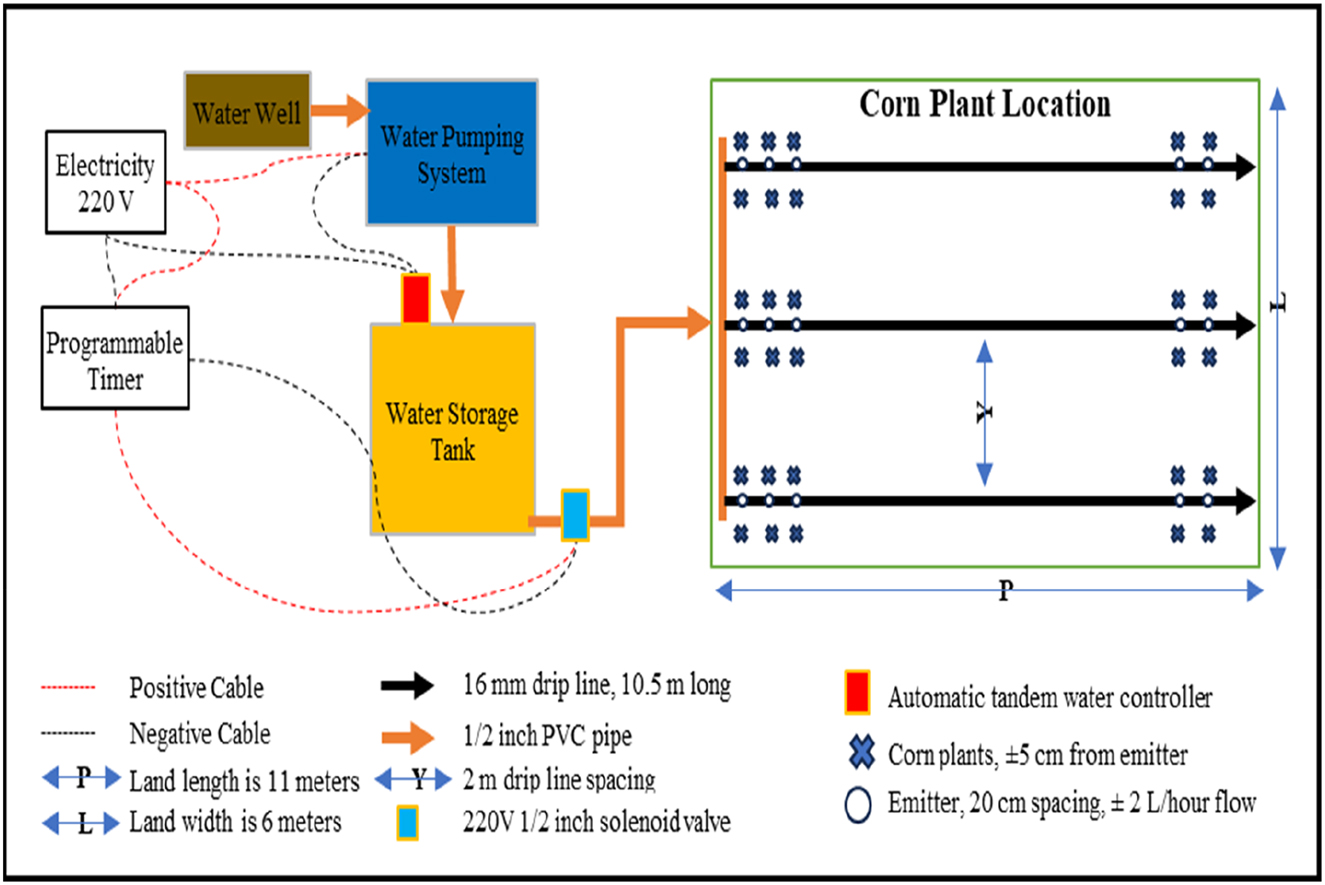
The study also highlights how climate resilience can be built through simple yet effective strategies. As shown in the diagram on page 3, the irrigation system is designed to distribute water efficiently through controlled pipelines and valves, ensuring that crops receive the right amount of water at the right time. This structured approach prevents both under- and over-irrigation, which are common problems in traditional farming.
In conclusion, this research shows that solving global challenges does not always require complex solutions. By combining local knowledge with affordable technology, smallholder farmers can adapt to climate change and secure their livelihoods. Simple innovations like this drip irrigation system prove that sustainability can be practical, scalable, and impactful for communities worldwide.
DOI: https://doi.org/10.1515/opag-2025-0490
Contact:
Prof. Rahim Darma
+62 852-5564-6556
rdarma@unhas.ac.id