Makassar, Indonesia 03 March 2026/FCVC/- Understanding how agricultural commodities move from farms to industrial processing is critical for improving efficiency and equity within food systems. In this context, a Discussion on the Corn Supply Chain Management with Japfa Indonesia was conducted on March 3, 2026 at the Japfa Indonesia Makassar Office, Makassar. The session brought together 8 participant including Prof. Rahim Darma and Ni Made Viantika as a representatives of the Food Crops Value Chain Research Group of Hasanuddin University, bachelor students from the Agribusiness Study Program, Hasanuddin University, and the representatives of Japfa Indonesia. On this activity, Japfa Indonesia was considered as one of the key agribusiness actors involved in corn processing to deepen understanding of how raw agricultural products are transformed and managed within an integrated supply chain system positioned industrial processors at the center of value chain analysis.
The discussion created a focused platform to examine how processors coordinate with upstream and downstream actors. Key topics included input procurement from farmers, stock management of raw materials, and the mechanisms used to ensure continuity of supply. The exchange also explored how Japfa organizes its internal supply chain operations to maintain efficiency while meeting quality standards. Particular attention was given to how coordination mechanisms are structured, including communication channels, delivery schedules, and contractual arrangements. These elements illustrate how industrial actors manage variability in agricultural production while maintaining operational stability, highlighting the importance of structured systems in linking farm-level production with industrial demand.
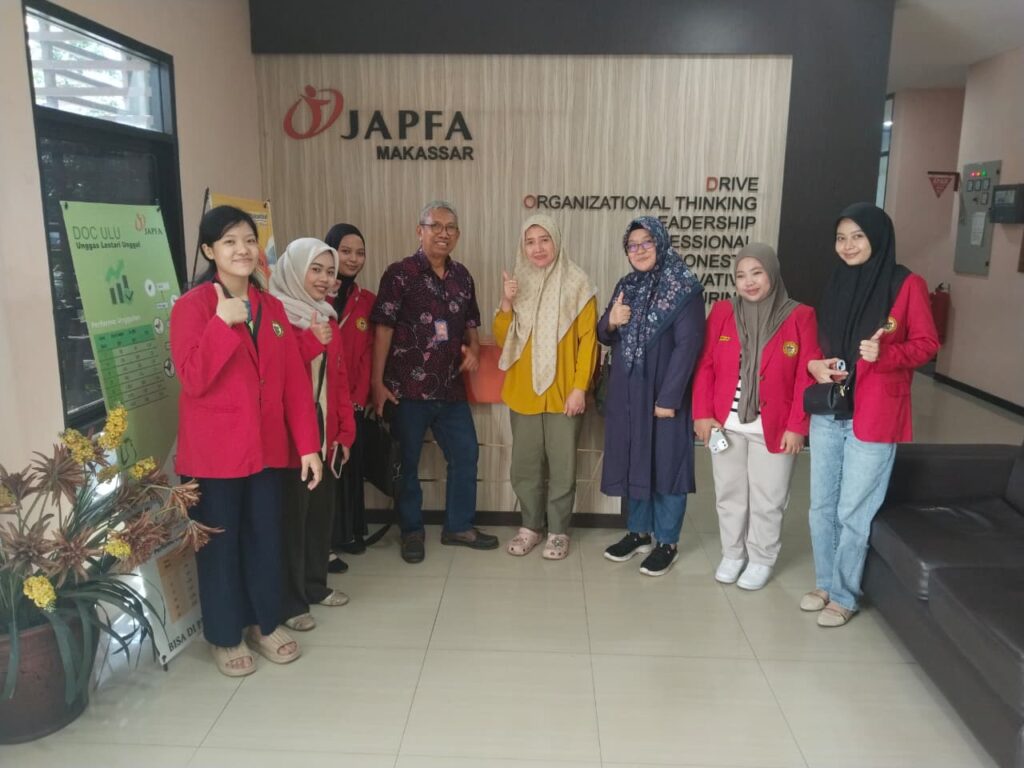
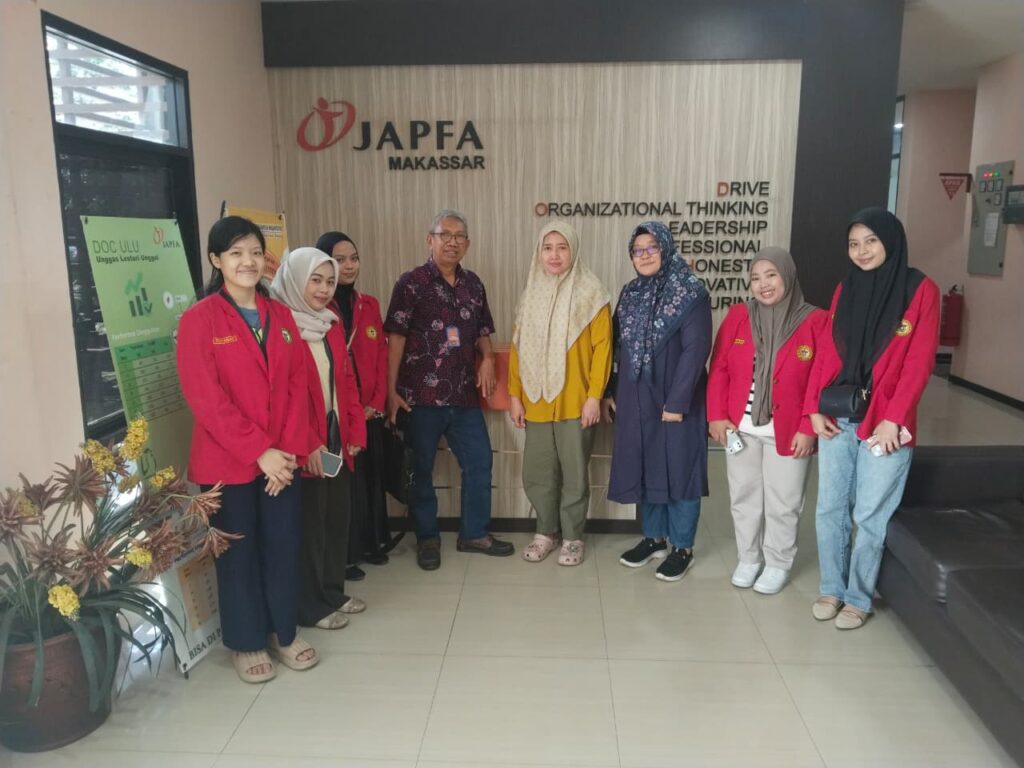
A central finding from the discussion was the critical role of partnership models between processors and farmers. These partnerships are built on principles of coordination, trust, and shared benefits, allowing both parties to manage risks and improve outcomes. Japfa contributes to greater predictability within the corn value chain by establishing clear agreements on quality standards, pricing mechanisms, and supply commitments, . The discussion also highlighted how processors influence market access for farmers by providing stable demand and facilitating integration into larger distribution networks. These dynamics underscore the importance of processors not only as buyers but as key actors shaping value distribution, efficiency, and resilience within agricultural systems as addressed by Prof. Rahim Darma in the discussion.
This activity contributes directly to SDG 4 (Quality Education) by enhancing applied learning and research-based knowledge exchange, SDG 8 (Decent Work and Economic Growth) through strengthening agribusiness operations and market opportunities, SDG 12 (Responsible Consumption and Production) by promoting efficient resource use and supply chain management, and SDG 17 (Partnerships for the Goals) by fostering collaboration between academia and industry. The engagement highlights the importance of integrating research with real-world industrial practices to generate policy-relevant insights. Moving forward, the findings are expected to inform future research outputs, support the development of more effective partnership models, and contribute to improving the performance and inclusivity of the corn value chain in South Sulawesi.